
The Caribbean is one of the most popular cruise destinations in the world, and for good reason. Warm weather, beautiful beaches and easy island-hopping make it an obvious choice. But timing matters more here than many cruisers realise.
Some months bring higher prices, busier ships and a greater risk of disrupted itineraries, while others can offer incredible value if you know what to expect. Choosing the wrong month doesn’t mean your cruise will be a disaster, but it can change the experience in ways first-time cruisers often don’t anticipate.

I’ve cruised the Caribbean in both perfect conditions and far from ideal weather, and there’s a big difference between a great deal and a frustrating trip. Here’s what you need to know about the worst months to cruise the Caribbean, and how to decide whether they’re really worth the risk for you.
The Worst Months to Cruise the Caribbean
The Caribbean doesn’t really have a true “off-season”, but some months come with far more trade-offs than others. From unpredictable weather to higher disruption risk and poor value during school holidays, the period from June to November is generally considered the least reliable time to cruise the Caribbean.
That doesn’t mean these months are always bad, but each one comes with specific downsides that are worth understanding before you book.
June
June marks the official start of the Atlantic hurricane season. Storms are still relatively uncommon at this point, but humidity increases, rain showers become more frequent, and seas can start to feel less settled.
Prices are often lower than in spring, which tempts many cruisers, but June can be uncomfortable for those who dislike heat or are prone to motion sickness.

July
July is hotter, stickier and more crowded. Although hurricane activity is still relatively low, afternoon downpours are common, and the Caribbean heat can feel intense, especially in ports with limited shade.
This month is also popular with families due to school holidays, which often means higher cruise prices despite the less favourable weather.
August
August is one of the least appealing months to cruise the Caribbean. It’s extremely hot, very humid, and falls right in the middle of the peak school holiday season, making it poor value for money.
While hurricanes are not guaranteed, the risk is noticeably higher than earlier in the summer, and itinerary changes become more common.

September
September is widely considered the worst month to cruise the Caribbean. It sits at the peak of hurricane season and historically sees the highest number of tropical storms and hurricanes.
Cruises are often heavily discounted during this month, but cancellations, port changes and rough seas are more likely than at any other time of year.
October
October is still part of hurricane season and remains unpredictable. Storm activity often starts to decline towards the end of the month, but early October can still bring significant disruption.
The upside is quieter ships and lower prices, but weather reliability is still a gamble.
November
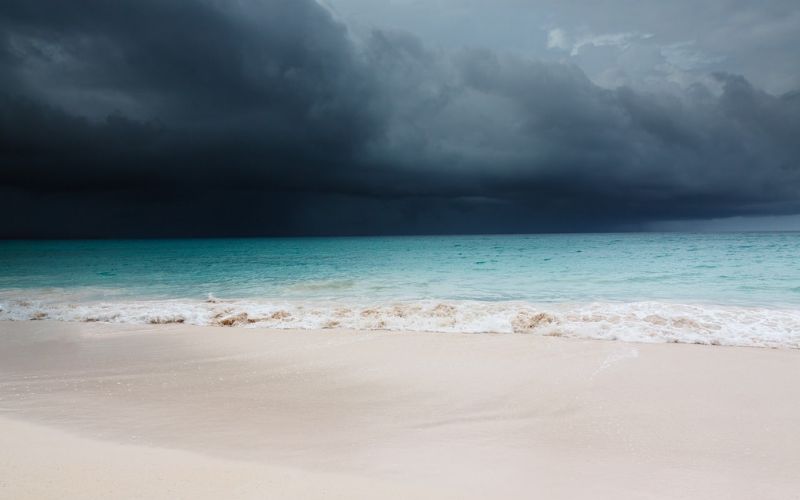
November is a transitional month. Early November can still see late-season storms, while the second half of the month tends to improve significantly as hurricane season winds down.
Cruises towards the end of November are generally much safer, though early sailings still carry some risk compared with winter and spring departures.
Worst Months to Cruise the Caribbean (At a Glance)
| Month | Hurricane Risk | Weather Comfort | Crowd Levels | Prices | Overall Verdict |
|---|---|---|---|---|---|
| June | Low–Moderate | Hot & humid | Moderate | Lower | Acceptable with caution |
| July | Low–Moderate | Very hot | High | Higher | Poor value for weather |
| August | Moderate | Extremely hot | Very high | High | One of the worst |
| September | High | Hot & stormy | Low | Very low | Worst overall |
| October | Moderate–High | Unsettled | Low | Low | Risky but quiet |
| November | Low–Moderate | Improving | Moderate | Rising | Better late in month |
TODAY’S BEST CRUISE DEALS!
Don’t miss these offers…
What Happens If a Hurricane Affects Your Cruise
Cruise lines take weather warnings extremely seriously, and guest safety is always the top priority. If a hurricane is forecast to affect your sailing, your plans will almost certainly change. What that looks like depends on when the storm develops and where your ship is at the time.
If a hurricane is forecast before your cruise
If a hurricane is expected to affect the area before your cruise departs, the cruise line may cancel the sailing, delay departure by a day or two, or change the itinerary entirely. These decisions are usually made in advance to avoid sending ships into unsafe conditions.
While cancellations do happen, itinerary changes are far more common. In many cases, the cruise will still go ahead, just with different ports or additional sea days.
If a hurricane develops while you’re already onboard
If you’re already at sea and a hurricane forms nearby, the ship will not sail into it. Modern cruise ships use advanced forecasting technology to track storms days in advance and will alter course to stay well clear of the worst conditions.
This often means skipping one or more ports, swapping destinations, or spending extra time at sea. It can be disappointing to miss a port, but it’s usually far less dramatic than people imagine.

What the weather onboard is usually like
Even when a hurricane is in the wider region, the weather onboard is often manageable rather than extreme. You may notice stronger winds, heavier rain, or a bit more movement at sea, particularly at night.
Cruise lines aim to keep ships in calmer waters wherever possible, so conditions rarely feel dangerous, even if the weather is unsettled.
What happens in port
Sometimes ports remain open despite poor weather. However, beach days, water sports and outdoor excursions can be far less enjoyable if it’s windy or raining heavily.
For safety reasons, excursions are often cancelled before things become unpleasant, which means you may end up staying onboard even when the ship docks.
What you can do instead
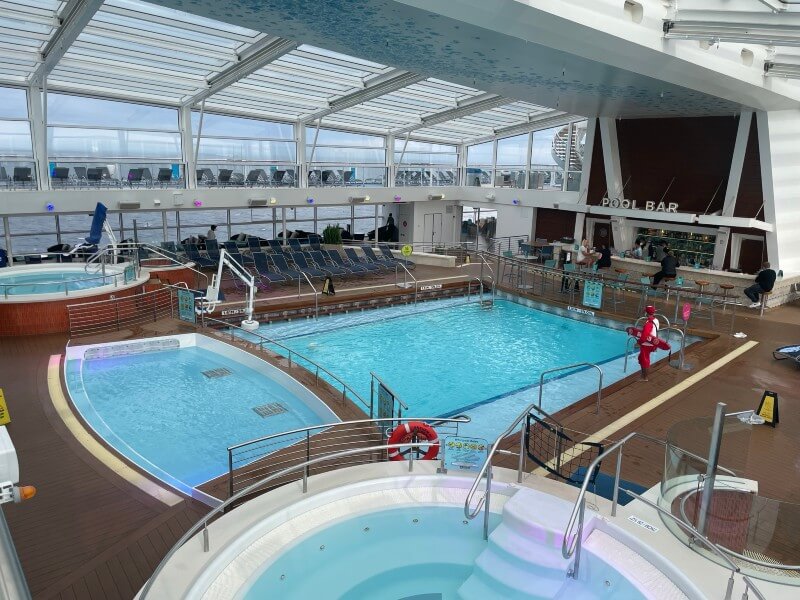
If you can’t get off the ship, large modern cruise ships have plenty to keep you entertained indoors. From theatre shows and live music to quizzes, spa facilities and covered pools, most cruise lines increase onboard activities when weather disrupts port days.
It’s not the itinerary you planned, but it’s rarely a wasted day.
The key thing to remember
Cruise ships don’t sail into hurricanes. They sail around them. If a storm affects your cruise, the biggest impact is usually inconvenience rather than danger, with itinerary changes far more likely than cancellations.
If you want to understand more about how cruise lines handle hurricanes and itinerary changes, you can read more about it here.
The Advantages of Cruising in the Off-Peak Season
Cruising the Caribbean during the so-called “worst” months isn’t all bad. In fact, for some travellers, it can be the best time to go, as long as you’re comfortable with a bit of uncertainty.
The biggest advantage is price. Cruise fares during hurricane season are often significantly lower than at other times of the year, and flights tend to be cheaper too. It’s not unusual to find deals that simply don’t exist during the winter and spring peak season.
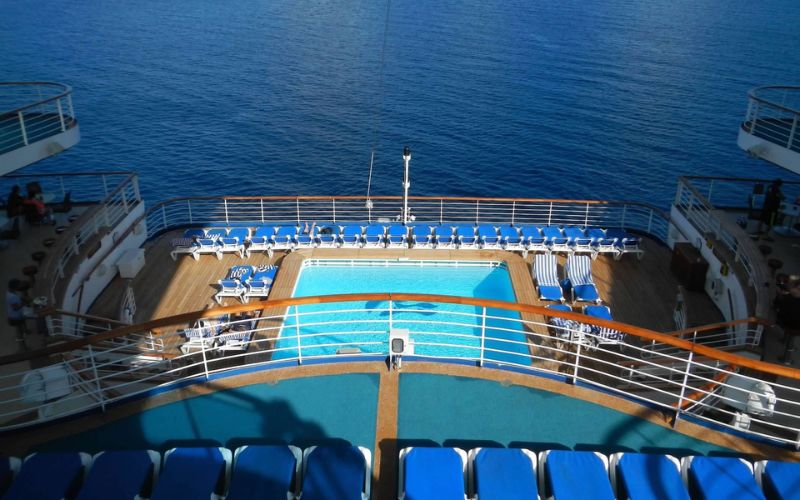
Ships are usually quieter as well, particularly outside of school holiday periods. That means less competition for sun loungers, shorter queues in ports, and a more relaxed feel onboard overall. Popular shore excursions are often easier to book, and some ports feel noticeably less crowded than they do in peak months.
There’s also often better cabin availability. If you’re hoping to book a balcony or upgrade without paying a premium, off-peak sailings can be surprisingly good value.
For cruisers who are flexible, budget-conscious, or more interested in the onboard experience than ticking off every port, these months can offer excellent value for money, even if the weather isn’t guaranteed to cooperate.
Who Should Avoid These Months (And Who Might Be Fine)
Cruising the Caribbean during hurricane season isn’t a one-size-fits-all decision. Whether it’s a bad idea or a smart bargain depends largely on how you travel and what you expect from your cruise.
You may want to avoid these months if you are:
- A first-time cruiser who wants the most predictable, stress-free experience possible
- Prone to seasickness, as rougher seas are more likely at this time of year
- Travelling for a special occasion, such as a honeymoon or once-in-a-lifetime trip
- Working to a tight schedule, with fixed flights or accommodation before or after the cruise
- Very port-focused, where missing a destination would significantly affect your enjoyment
You may be fine cruising at this time if you are:
- Flexible and easy-going, and able to adapt to itinerary changes
- Price-focused, and happy to trade certainty for a better deal
- A repeat cruiser who already understands how cruise lines handle disruptions
- More interested in the ship than the ports, and content with extra sea days
- Sailing in the Southern Caribbean, where hurricane activity is generally lower
For many people, the “worst” months only become a problem when expectations don’t match reality. If you know the risks and are comfortable with some unpredictability, these months can still deliver a great cruise at a fraction of the usual cost.

Tips for Cruising the Caribbean During Hurricane Season
If you do decide to cruise the Caribbean during hurricane season, a little planning can make a big difference. While you can’t control the weather, there are several things you can do to reduce disruption and avoid unnecessary stress.
1. Choose your itinerary carefully
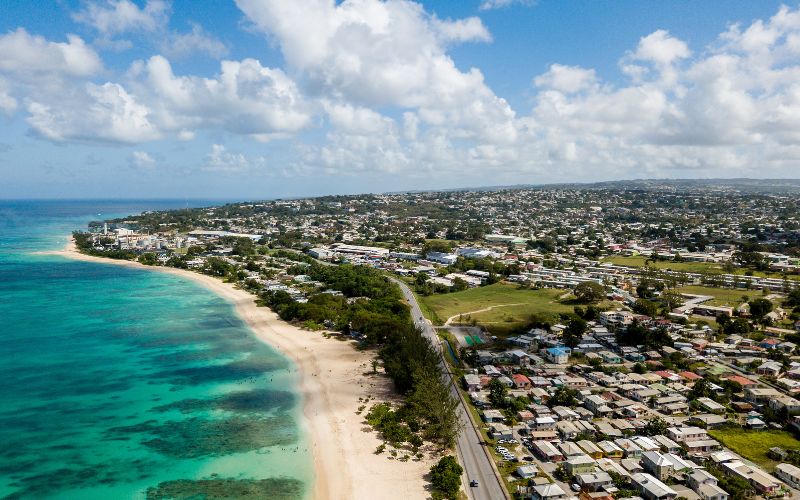
Not all parts of the Caribbean are affected equally. The southern Caribbean, particularly islands closer to South America, typically see fewer hurricanes than destinations further north.
Itineraries that include islands such as Aruba, Bonaire, Curaçao, Barbados, Trinidad and Tobago, and Grenada are often considered safer options during hurricane season and are more likely to operate as planned.
2. Be flexible with your plans
Flexibility is essential when cruising at this time of year. Itineraries can change at short notice, and departure days may be delayed if weather conditions require it.
If possible, avoid booking non-refundable hotels or tight onward travel plans. Having a backup plan can save a lot of frustration if your sailing is adjusted at the last minute.
3. Make sure you have suitable travel insurance
Travel insurance is especially important when cruising during hurricane season. Before you book, check that your policy covers cruises specifically and includes protection for cancellations, delays, and weather-related disruptions.
Some policies also include missed port cover, which can provide compensation if itinerary changes mean you miss a destination.
My Recommendation
My recommendation for cruise insurance depends on where you live.
- If you live the UK: Compare Your Cruise Insurance
- If you live the USA: InsureMyTrip
These are trusted price comparison sites that will quickly get you lots of quotes to match your exact needs.
4. Check the cruise line’s terms and conditions
Cruise lines all handle disruption slightly differently. It’s worth checking in advance how refunds, future cruise credits, and itinerary changes are dealt with if a sailing is shortened or ports are skipped.
Knowing what to expect ahead of time can make any changes feel far less stressful.
5. Keep an eye on updates from the cruise line
Cruise lines monitor weather systems closely and will contact guests if changes are needed. Keep an eye on emails, app notifications, and your booking portal in the days leading up to your cruise.
I’ve received emails from cruise lines before departure when sailings were shortened or itineraries changed due to approaching storms, which at least allowed time to adjust plans.
You can also keep track of developing weather systems using trusted sources such as the National Hurricane Center, although it’s always best to wait for official updates from your cruise line before making any decisions.

The Bottom Line
The worst months to cruise the Caribbean are generally those that fall within hurricane season, from June to November, when the weather can be unpredictable, and itineraries are more likely to change. That doesn’t mean cruises during this period are a guaranteed disaster, but they do come with a higher level of uncertainty than sailings in the winter and spring.
For some cruisers, the trade-offs are worth it. Lower prices, quieter ships, and better availability can make these months surprisingly appealing, especially if you’re flexible and understand what you’re signing up for. For others, particularly first-time cruisers or those planning a special trip, the extra uncertainty may outweigh the savings.
If you go into a Caribbean cruise during hurricane season with realistic expectations, good travel insurance, and a flexible mindset, it can still be a fantastic holiday. The key is knowing when the risks are highest and deciding whether the potential savings are worth it for you.
TODAY’S BEST CRUISE DEALS!
Don’t miss these offers…
