
I love cruising, but I’ve always thought one part of the experience could be far clearer – tipping.
Not because tipping itself is a problem – but because the way it’s presented often feels half-hidden, vaguely explained, or quietly added on when you’re not looking.

For a first-time cruisers, tipping sounds simple: show appreciation for good service.
In reality, it’s layered, pre-charged, auto-added, bundled into packages, and sometimes framed as “optional” even when it doesn’t feel that way in practice.
It’s not uncommon for people to sail thinking everything is covered, only to discover a surprisingly large gratuities total on their onboard account near the end of the trip and an envelope on their bed requesting cash on top.

So, let’s pull back the curtain a little so you can understand everything about tipping – and make the right decisions to benefit the crew who look after you so well!
How Cruise Tipping Actually Works
Although each cruise line has its own wording, most mainstream cruise lines follow a very similar system when it comes to tips.
Automatic Daily Gratuities
Instead of relying purely on guests to tip individually, cruise lines add a fixed daily charge to your onboard account.

This is usually called something like:
- “Gratuities”
- “Crew appreciation”
- “Daily service charge”
This amount is charged per person, per night, and it adds up quietly in the background as your cruise goes on.
You don’t hand money over – it appears automatically on your onboard bill in the same way drinks or excursions would.
The cruise line then pools this money and distributes it across various crew departments.
Who Those Tips Are Meant to Cover
The daily gratuities are designed to cover far more than just the people you see the most. While your cabin steward and your dining room team are included, the pool also usually supports:
- Galley staff who prepare food
- Housekeeping support teams
- Laundry staff
- Buffet and behind-the-scenes hotel crew
This is one of the reasons cruise lines push guests towards the automatic system – it ensures that the less visible crew are also included in the tipping structure, rather than only those with direct guest contact.
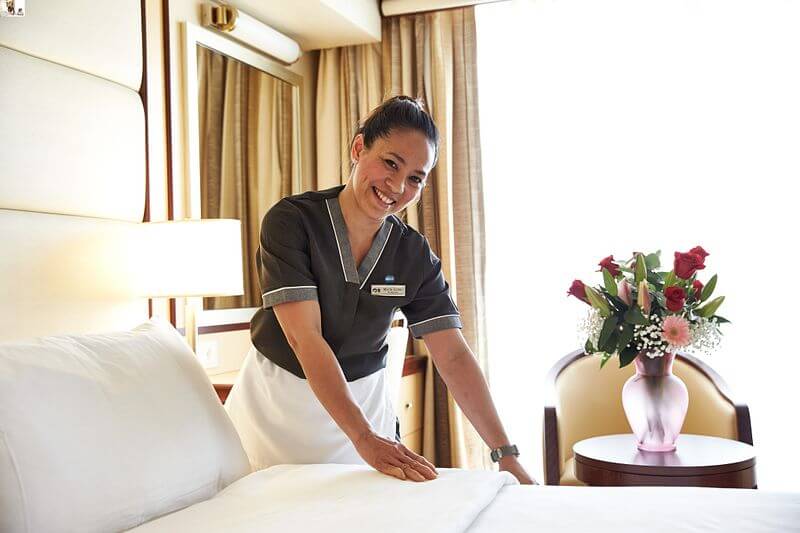
What’s less clearly explained is exactly how this money is split between departments and individuals.
Most cruise lines don’t publish the detailed breakdown, which makes it difficult for guests to understand where their money really ends up.
Prepaid Vs Onboard Gratuities
Cruise lines give you two main ways to pay these daily tips:
Prepaying Before Your Cruise
You can add gratuities to your booking in advance. This locks the cost into your holiday price and means you won’t see daily tip charges appearing on your onboard account.
Paying Onboard
If you don’t prepay, the cruise line will simply add the charges to your onboard account each day. You usually won’t need to do anything – it happens automatically.

The part that isn’t made especially clear in marketing is this: whether you prepay or not, the system assumes you will be paying these gratuities.
They aren’t something you actively opt into – they’re something you have to actively opt out of, and even that isn’t straightforward.
Read more: Cruise Gratuities: Should You Prepay? Pros & Cons Explained
Why This Catches So Many People Out
From a guest’s point of view, the confusion often comes from how cruises are sold:
- They’re advertised as “great value” or “almost all-inclusive”
- The daily gratuity amounts are often buried, not made completely clear
- The wording makes them sound optional, even though they’re added automatically
If you don’t go looking for the information yourself, it’s easy to board thinking it’s all covered, only to feel caught off guard later.
What Cruise Lines Don’t Clearly Explain About Tipping
This is where most people get caught out. The information technically exists, but it’s rarely presented in a way that’s easy to understand unless you already know what to look for.
How Tips Impact Salaries
This is one of the most hotly debated parts of cruise tipping, and it’s where a lot of misinformation circulates online.

A common claim you’ll see on social media is that cruise lines use guest gratuities to top up crew wages – in other words, that the company pays staff less and uses your tips to make up the difference.
Cruise lines strongly deny that this is how their payroll works.
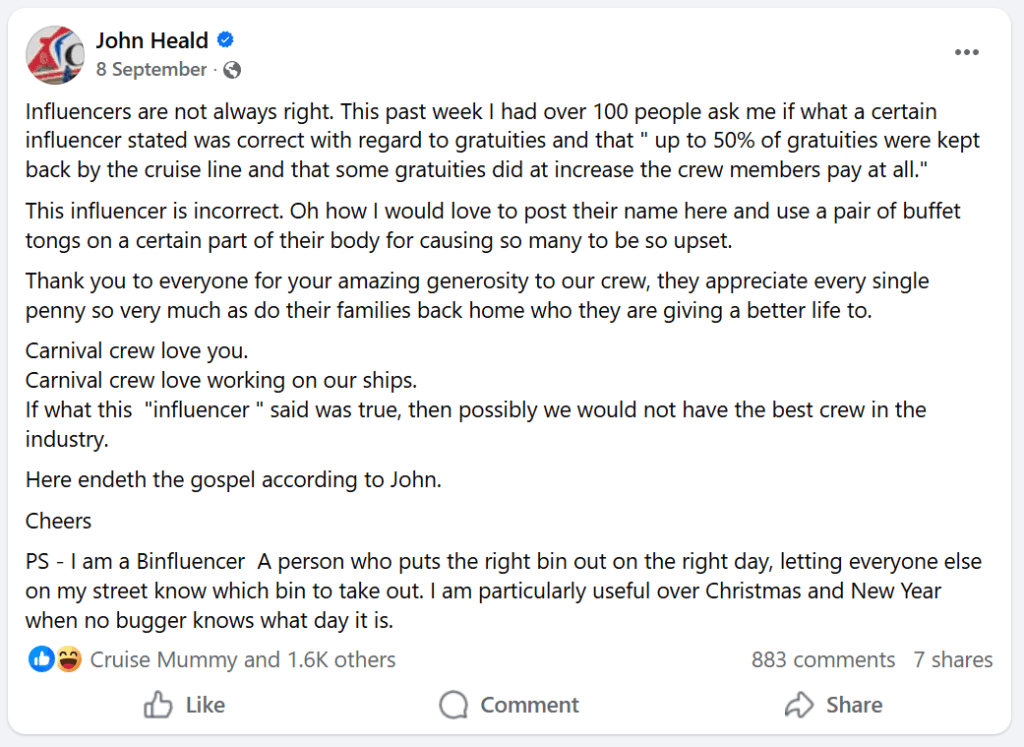
Carnival, for example, has repeatedly stated that gratuities given by guests are not used to reduce or replace a crew member’s contracted salary.
Brand ambassador John Heald has publicly described these claims as false and misleading, saying that tips go to the crew and are not kept by the company to fund wages.
What’s undeniably true, though, is this: on most mainstream cruise lines, crew members’ base salaries are relatively low (by US standards) and gratuities make up a significant and important part of their overall take-home pay.
Even if tips are technically paid “on top” of salary rather than instead of it, the reality is that:
- Many crew contracts are designed with gratuities in mind
- The expected income from tips is baked into how attractive (or not) the base wages are
- If large numbers of guests removed or stopped paying gratuities, many crew members would see a meaningful drop in their real-world earnings
That’s the uncomfortable grey area cruise lines don’t tend to explain very clearly. They deny using tips to replace wages – but they also rarely advertise just how heavily many roles rely on gratuities to make the job financially viable.

For guests, the key point is this: whether structurally “on top” or not, gratuities are not a small bonus to many crew members. They are a core part of what makes the job workable.
Read more: Why You Can – But Shouldn’t – Opt Out Of Carnival’s Gratuities
“Optional” Gratuities That Don’t Feel Optional
Cruise lines often describe daily gratuities as “discretionary” or “optional”. That wording sounds reassuring – but the reality is a bit different.
On most mainstream cruise lines:
- The tips are added to your account automatically.
- You don’t actively opt in – they’re just there.
- If you want to change or remove them, you usually have to visit Guest Services and ask.
In practice, that can mean queueing, explaining your reasons, and feeling uncomfortable about it. Some cruise lines have made the process more difficult over time, asking guests to justify changes or, in certain cases, directing them to contact the cruise line after the sailing instead.

The end result is that although the tips are described as “optional”, the system is designed around the assumption that almost everyone will pay them.
Drink Packages Aren’t Tip-Free
One of the most common misconceptions is that buying a drinks package means tipping isn’t an issue anymore.
In reality, gratuities are very much built into that part of the experience too.
Depending on the cruise line:
- An automatic service charge (often around 15–20%) is added when you buy the drinks package.
- The same type of charge can apply to speciality dining, spa services and salon treatments.
- If you don’t buy a package and pay per drink, gratuities are usually added to each purchase.
So while you may not be handing over cash at the bar, you’re still tipping – it just happens invisibly in the background. Cruise lines rarely highlight this in their marketing for packages, which is why so many people are surprised when they see the charges.
Why It’s Usually Cheaper to Prepay Gratuities Early
This is something cruise lines almost never shout about, even though it can make a real difference to your budget.
Many cruise lines increase their gratuity rates over time – typically once every 12-18 months.
If you prepay your gratuities when you book, or at least well before your cruise, you usually lock in the current rate.

That means:
- If the cruise line increases the daily gratuities later, you’re protected.
- You won’t be charged the new, higher rate onboard.
If you wait and let the tips be added during the cruise instead, you normally pay whatever the rate is at the time you sail, not the rate that applied when you booked.
It’s one of the few areas where booking early can genuinely save money, yet it’s rarely promoted clearly because higher gratuities benefit the cruise line’s overall pricing structure.
Cash Tipping Still Exists
Even with automatic gratuities and service charges, there’s still an unspoken culture of cash tipping in certain situations.

This commonly includes:
- Cabin stewards who give particularly good service
- Dining staff in speciality restaurants
- Butler or concierge staff in suite areas
- Spa staff and excursion guides
- Room service delivery
The cruise line messaging tends to imply that everything is “taken care of”, but onboard reality can feel a bit different. It’s not usually mandatory, but it’s still very much part of cruise culture.
TODAY’S BEST CRUISE DEALS!
Don’t miss these offers…
Should You Tip Extra?
This is where it gets personal, and there isn’t one right answer.
When Tipping Extra Makes Sense
Extra tipping can be a thoughtful gesture when:
- A crew member goes well beyond what’s expected
- Someone makes a special effort for dietary needs or accessibility
- Staff help make a celebration, anniversary or birthday genuinely memorable
- You’re on a private or small-group shore excursion
In these cases, extra cash isn’t about obligation – it’s about recognition.

You don’t have to tip extra (you never HAVE to) but a lot of people feel like these are the situations that would justify an extra tip, if you wanted to.
When You Don’t Need to Feel Guilty for Not Tipping Extra
It’s also perfectly reasonable not to “double tip” when:
- You’ve already paid substantial daily gratuities.
- Service charges have already been added to spa, salon or dining bills.
- You’re sailing with a truly all-inclusive luxury line.
You’re not being stingy by trusting that the systems in place have already covered the basics.
The Cultural Side of Things
Cruises attract guests from all over the world. Tipping expectations are different depending on where you’re travelling from.

Cruise lines often expect US-style tipping behaviour, even though many guests are more familiar with European models where service is built into prices. A lot of confusion comes from that cultural clash.
Read more: Royal Caribbean Gratuities Explained
But there are British cruise lines like P&O Cruises and Marella Cruises where no tipping is expected, because of the culture.
MSC Cruises are a global brand that have different models, depending on where you’re sailing. Cruising in Europe? No tip needed. Sailing the Caribbean from a US port? Automatic gratuities will apply.
How to Tip Smart on a Cruise
There are a number of ways you can make sure you thank the people who need it, without causing yourself any unnecessary stress.
Set a simple tipping budget
Before you sail:
- Look up your cruise line’s daily gratuity.
- Multiply it by the number of nights and people.
- Add a small buffer for occasional cash tips.

Once you’ve done this, anything extra becomes a choice rather than a surprise.
And if you don’t have the budget for extra cash tips – cruises are expensive sometimes – then don’t stress over it!
Decide Whether to Prepay Or Pay Onboard
There’s no moral right or wrong here, just practical differences:
Prepay if you:
- Like predictable costs.
- Want to lock in the current rate before possible increases.
- Prefer not to see daily charges stacking up onboard.
Pay onboard if you:
- Want flexibility (depending on the line’s policies).
- Prefer to keep everything in one final bill.
Carry Small Amounts of Cash
Even in a fairly cash-free cruise environment, it helps to have small notes in local currency.
These are useful for porters, guides, drivers and staff who fall outside the normal tipping pool.

There are cash machines/ATMs on most cruise ships but they’ll often have a minimum withdrawal amount of $50. And Guest Services can’t/won’t always break a note for you. So try not to forget this or, if you feel you want to leave a cash tip, it might end up being $50 at least.
Read more: How Much Cash You Should Bring On A Carnival Cruise
Tip With Intention, Not Pressure
If you’re already paying daily gratuities, your cash tips don’t need to be random or constant.
They’re most meaningful when used for genuinely exceptional service, or for people who make your holiday noticeably easier or better.
What Crew Members Really Think About Tips
This is where the subject becomes more serious.
For many crew members on mainstream cruise lines, their base wages are relatively low. So, gratuities make up a significant part of their overall income.
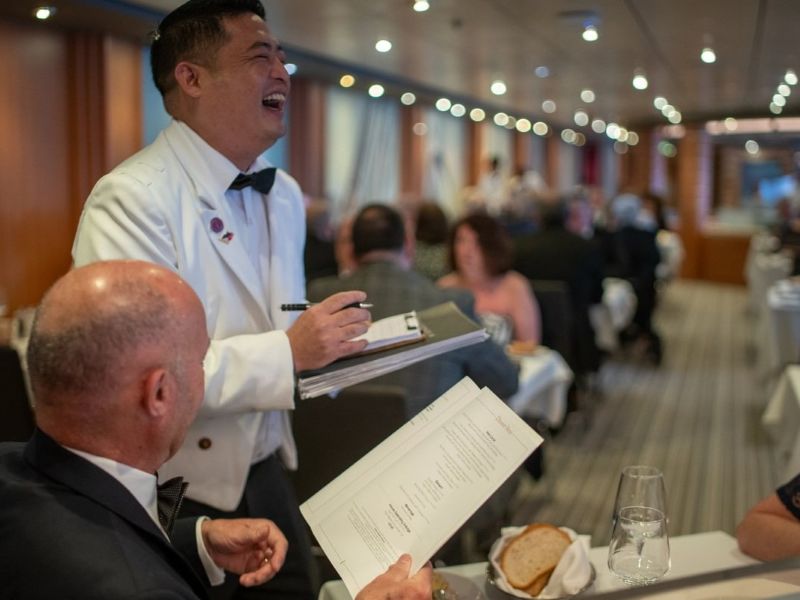
Because tips are often pooled, your daily gratuities don’t just reward one person – they support a larger ecosystem of staff you never see.
The downside is that this system is not always transparent. Guests rarely know exactly how the money is divided, and crew members aren’t usually able to talk openly about it.
What’s clear is this: when guests remove all gratuities as a protest against the cruise line, it often affects the crew far more than the company.
That doesn’t mean guests should feel forced into tipping. It does mean the system is more complex – and more human – than it first appears.
Suggested read: Former Crew Member Starts Petition for Gratuities to Be Included in Cruise Fares
Common Cruise Tipping Myths
“Tipping is completely optional”
In theory, sometimes. In practice, the entire pay structure for many crew assumes that most guests will pay the automatic gratuities. So yes, technically it’s optional, but if everyone treated it that way, cruise lines would struggle to retain those fantastic crew members.
“If I buy a drinks package, tips are covered”
They are – but usually through automatic service charges that are already built into what you paid. Still, a couple of small additional tips for bartenders can make all the difference for how good the service is.
“The crew are already well paid”
On most mainstream lines, tips are not really a bonus. They’re a core part of income, even if ‘technically’ that’s not the case.
Suggesed read: How Much Cruise Crew Really Earn
“I shouldn’t tip if gratuities are included”
You don’t have to. But small, thoughtful tips are usually welcomed, even on lines that say they aren’t necessary.
“Only Americans bother tipping”
Cruises are international. Once people understand the system, tipping habits tend to converge more than you’d expect. Yes, there’s more of a tipping culture amongst US guests, but most people are happy to pay the automatic gratuities, and tip a little extra if they feel it’s warranted.
TODAY’S BEST CRUISE DEALS!
Don’t miss these offers…
Final Thoughts
I’m not against tipping, quite the opposite. I’m not even against automatic gratuities. What I am against is confusion and surprise.
Cruising should feel relaxing, not like you’re constantly trying to decode what’s really included and what isn’t. Once you understand how tipping works, it becomes much easier to budget properly, make fair choices, and feel good about rewarding great service.
My approach is simple: plan for the automatic gratuities, tip extra when someone genuinely deserves it, and never feel pressured into tipping blindly.
If nothing else, knowing what cruise lines don’t always say out loud helps you stay in control of your holiday – and that’s how it should be.

The Americans have a tipping culture; they also pay much less per night than cruises booked in the UK, and I don’t think American customers lose their money if they cancel a few days before sailing??
I’ve always believed that gratuities or tipping is and should be optional, and not mandatory. Surely, there is a law to protect the customer from hidden taxes, because that’s what a set fee added to the headline price is, it’s a tax!!
After the cruise has been bought, the customer should not be liable for topping up the wages of poorly paid employees.
I myself only tip my cabin steward and table waiters for the good service they provide, and my suggestion to others is: do not tip what the cruise company levies on you; tip what you can afford!!