Norwegian Cruise Line has launched an investigation after passengers reported receiving sophisticated phishing emails that include genuine reservation details, including names, ship assignments, departure dates and booking numbers.
The fraudulent messages, which first surfaced on social media on 10th October 2026, impersonate Norwegian Cruise Line’s official communications and pressure guests to complete urgent actions. Recipients have been instructed to click embedded links to verify security credentials, confirm payment card details, or finalise online check-in procedures.
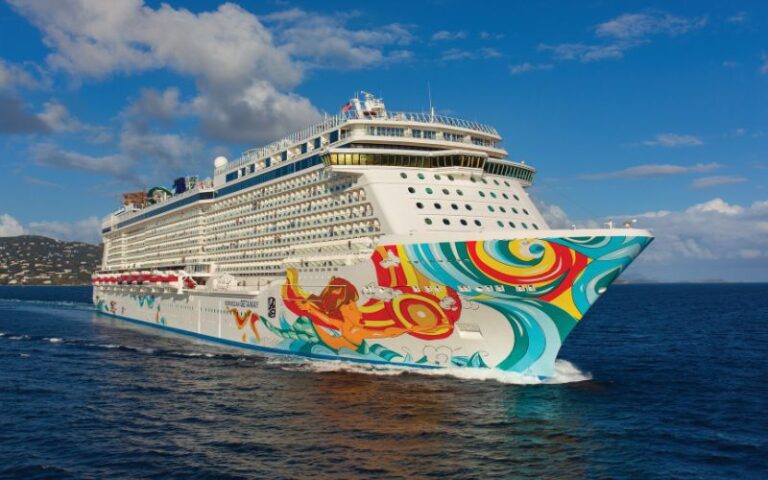
One example shared on Reddit targeting a Norwegian Getaway passenger stated: “To safeguard your booking and provide a smooth check-in, Norwegian Cruise Line requires a single security authentication for the card on file for your Norwegian Getaway reservation. This is a security measure, not a request for payment.”
The messages create false urgency by warning that reservations could face cancellation if passengers fail to respond promptly. This tactic, combined with the inclusion of accurate personal information, has made these scams particularly convincing and concerning for Norwegian’s guest community.
Multiple Passengers Report Receiving Scams With Full Reservation Details
The sophistication of these phishing attempts has alarmed cruise passengers across social media platforms. One Norwegian Encore guest reported on Reddit that a fraudulent email contained their complete booking details, including the exact amount they had paid for their voyage.
Another Reddit user scheduled to sail aboard Norwegian Getaway disclosed receiving at least six suspicious emails, each containing accurate booking reference numbers and personal information. The volume and precision of these messages has raised serious questions about how scammers obtained such detailed passenger data.
The fraudulent communications appear professionally formatted and mimic Norwegian Cruise Line’s legitimate email templates, making them difficult for unsuspecting passengers to identify as scams. The combination of genuine booking information and convincing design has created a credible-looking threat that could easily deceive travellers unfamiliar with common phishing tactics.
Questions Arise About Potential Data Breach Or Information Leak
Passengers have expressed considerable concern regarding how scammers accessed their private reservation information in the first place. Many have speculated on social media about the possibility of a data breach affecting Norwegian Cruise Line’s systems or those of a third-party vendor with access to passenger records.
The accuracy of the information included in these fraudulent emails – spanning names, specific ship assignments, exact departure dates, booking reference numbers, and in some cases payment amounts – suggests the scammers have obtained data from a comprehensive source rather than through random targeting. However, Norwegian Cruise Line has not publicly confirmed any data breach or provided an explanation for how the perpetrators acquired accurate booking details.
Data security experts note that passenger information could potentially be compromised through various channels, including breaches of travel agency systems, payment processors, or reservation platforms. The cruise industry relies on complex networks of partners and vendors, each representing a potential vulnerability point where customer data might be accessed by malicious actors.
NCL Confirms Investigation And Issues Warning To Passengers
Norwegian Cruise Line has acknowledged awareness of the fraudulent email campaign and confirmed it is actively investigating the matter. The Miami-based cruise operator has taken multiple steps to alert its customer base and travel partners about the ongoing scam.
The company posted a prominent notice on its official website warning guests about the phishing emails. Additionally, NCL distributed a formal letter to travel advisors and announced plans to share the warning directly with all guests scheduled to depart on cruises within the next 30 days.
“We are aware of reports of fraudulent emails falsely claiming to be from Norwegian Cruise Line being sent to guests and are actively investigating the matter,” the letter states. This proactive communication approach aims to prevent passengers from falling victim to the scams before their upcoming voyages.
The investigation’s scope and timeline remain undisclosed, as does any information about whether law enforcement agencies have been involved. Norwegian Cruise Line, which operates a fleet of 19 ships carrying approximately 2.4 million passengers annually, faces significant reputational stakes in resolving this security concern promptly.
Cruise Line Provides Guidance On Identifying Legitimate Communications
In its warning communications, Norwegian Cruise Line has provided specific guidance to help passengers distinguish authentic messages from fraudulent ones. The cruise line instructs guests to carefully examine sender email addresses, as all official correspondence will originate from domains ending in @ncl.com or @nclcorp.com.
Passengers are explicitly advised not to click any links within suspicious emails, regardless of how legitimate they may appear. NCL also warns against replying to questionable messages or providing any personal information, payment card details, or booking data in response to unsolicited requests.
The cruise line emphasises that it will never request sensitive payment information or threaten booking cancellations through unsolicited emails. Guests who receive suspicious communications should delete them immediately and report them to Norwegian’s official customer service channels.
For passengers concerned about the status of their reservations or any outstanding requirements, NCL recommends logging into accounts through the official website directly rather than clicking email links. Alternatively, guests can contact their travel advisors or call Norwegian’s verified customer service telephone numbers to verify any purported issues with their bookings.
Pattern Continues From Previous NCL Phishing Incidents

This latest email phishing campaign represents the second significant scam targeting Norwegian Cruise Line passengers within the past 18 months. In May 2025, Cruise Hive reported that NCL warned guests about a sophisticated phone-based phishing scheme.
In that earlier incident, scammers impersonating Norwegian Cruise Line representatives contacted a guest regarding flight arrangements for a large party. The victim was ultimately defrauded of nearly $20,000 across two separate incidents before realising the calls were not legitimate.
The recurrence of these attacks suggests that Norwegian Cruise Line passengers have become attractive targets for cybercriminals. The cruise line’s substantial customer base, combined with the high-value nature of cruise bookings and the personal information associated with travel reservations, creates lucrative opportunities for fraudsters.
Industry analysts note that cruise passengers often represent affluent demographics willing to spend significant sums on leisure travel, making them particularly appealing targets for financial scams. The complexity of cruise bookings – which may involve flights, shore excursions, beverage packages, and other add-ons – also creates multiple opportunities for scammers to insert themselves into communications and exploit passenger confusion.
Broader Cruise Industry Faces Similar Phishing Threats
Norwegian Cruise Line is far from alone in confronting phishing attacks targeting its passenger base. The broader cruise industry has witnessed a concerning uptick in such fraudulent schemes over the past several years.
In February 2025, Virgin Voyages issued warnings to its guests about scam telephone calls and fabricated offers designed to extract payment information and personal data. The adult-focused cruise brand, which operates four ships in its fleet, experienced similar tactics to those now affecting Norwegian passengers.
Other major cruise operators, including Carnival Cruise Line, Royal Caribbean International, and MSC Cruises, have periodically warned customers about phishing attempts through various channels. These scams have employed email, telephone calls, text messages, and even social media direct messages to reach potential victims.
The cruise industry’s digital transformation – including online booking systems, mobile apps, digital check-in procedures, and electronic onboard accounts – has created new vulnerabilities that cybercriminals actively exploit. As cruise lines collect increasingly detailed passenger information to personalise experiences and streamline operations, the potential consequences of data compromises become more severe.
Passengers Advised To Verify All Communications Through Official Channels

Security experts and consumer protection advocates emphasise that passengers should approach all unsolicited communications with healthy scepticism, even when messages appear to originate from legitimate sources. Email addresses and telephone numbers can be “spoofed” – manipulated to display information suggesting they come from trusted entities when they actually originate elsewhere.
Links embedded in suspicious emails should never be clicked, as they may direct users to convincing replica websites designed to harvest login credentials and payment information. Even hovering over links to preview destinations can be risky, as sophisticated attacks may exploit browser vulnerabilities.
Passengers concerned about their reservations or notified of purported problems should always navigate directly to the cruise line’s official website by typing the address into their browser rather than clicking email links. From there, guests can log into their accounts using their established credentials to verify booking status and outstanding requirements.
Alternatively, contacting the cruise line’s customer service department using telephone numbers obtained from official sources – such as booking confirmations, the company website, or printed materials – provides a secure method to verify questionable communications. Travel advisors who arranged bookings can also confirm whether requests for information or actions are legitimate.
The Federal Trade Commission recommends that consumers who receive phishing attempts report them to the impersonated organisation, forward suspicious emails to the Anti-Phishing Working Group at [email protected], and file complaints with the FTC at ReportFraud.ftc.gov. These reports help authorities track cybercrime patterns and potentially identify perpetrators.
NEW DEALS JUST RELEASED!
Don’t miss the latest NCL offers…