
If you use a wheelchair, mobility scooter or other mobility device on a cruise, there’s one part of the booking process you absolutely shouldn’t leave until embarkation day.
P&O Cruises asks guests with accessibility needs to tell the cruise line as early as possible and complete its On-Board Needs Questionnaire. Guests bringing a wheelchair or mobility device also need to make sure their cabin is suitable for the equipment they use.

Failing to declare a mobility device in advance can have serious consequences. P&O Cruises currently warns that an undeclared mobility device may not be allowed onboard and, if can’t be safely accommodated, the guest could ultimately be denied boarding.
That sounds severe, but there’s an important reason for the rules. The cruise line needs to know in advance what assistance guests may require during an emergency, as well as making sure mobility equipment can be safely stored in the cabin.
One passenger who discovered the importance of these rules the hard way was Ruby Poole, 87, who was due to take her first cruise with her daughter, Wendy Tucker.
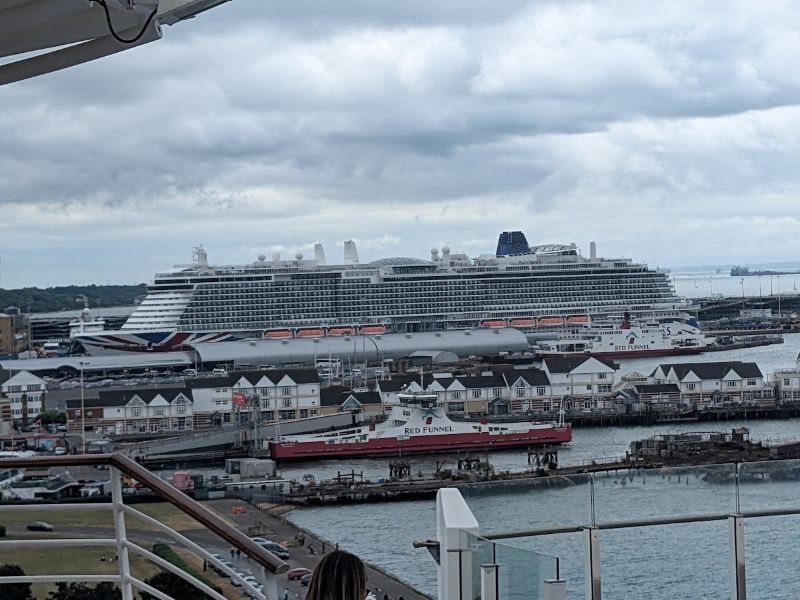
The pair had booked a seven-night Norwegian Fjords sailing on Britannia from Southampton. Ruby uses a wheelchair following a stroke, and Wendy said they had discussed assisted boarding and an appropriate cabin when making the booking through Hays Travel.
However, when they arrived at the terminal, handed over their luggage and prepared to board, they were told they could not sail because Ruby’s mobility requirements had not been properly recorded.
“We were excited, our cases were taken and put on the ship, and we were taken to board, and a man said to us, ‘We are very sorry but you can’t come onboard as we have not got enough safety chairs.’ My mum was in the terminal, sobbing her heart out.”
The cruise, which cost £2,400, was later refunded. Hays Travel also acknowledged that the booking had not been handled correctly.
What P&O Cruises Requires From Guests With Mobility Needs
P&O Cruises asks guests who require specific assistance, or who plan to bring mobility equipment onboard, to tell the cruise line at the time of booking or as soon as the need becomes known.
After booking, guests with accessibility requirements should also complete the On-Board Needs Questionnaire in My P&O Cruises. The cruise line currently asks for this to be completed as soon as possible and no later than two weeks before departure.
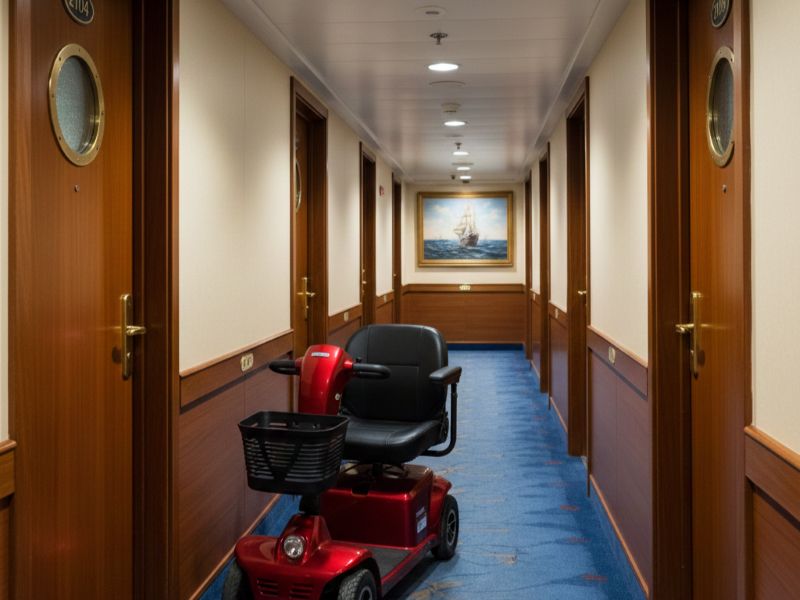
The exact cabin requirements depend on the mobility equipment being used.
Guests bringing a mobility scooter or electric wheelchair generally need an approved fully accessible cabin or certain suitable Suites or Mini-suites, where the device can be safely stored.
Manual wheelchair users do not automatically need an accessible cabin. P&O Cruises says a standard cabin may be suitable if the guest doesn’t require the facilities of an accessible cabin, doesn’t need to use the wheelchair while moving around the cabin and the chair meets the relevant size requirements.
There is another important consideration: evacuation assistance.
P&O Cruises says evacuation-chair assistance is mandatory for guests who use a manual wheelchair or powered mobility device, whether they use it full-time or part-time. That means the cruise line needs to know about those requirements before sailing.
And this isn’t something to leave until you arrive at the terminal. P&O Cruises warns that undeclared mobility equipment may be refused and, because there are no facilities at the port to store a denied device, this could result in the guest being denied boarding.
Double Check Before You Travel
The important lesson from this case isn’t that passengers with mobility needs shouldn’t book through a travel agent. It’s that accessibility requirements are too important to assume have been recorded correctly.
If you use a wheelchair, mobility scooter or other mobility equipment, check that the cruise line knows about it well before you travel. Make sure you’ve completed any required accessibility questionnaire, check that your cabin is suitable for the equipment you’re bringing and confirm any assistance you’ll need in an emergency.
That’s worth doing even if you discussed everything when you originally booked.
P&O Cruises says guests are responsible for making sure their accessibility requirements are shared with the cruise line. Its guidance also makes clear that undeclared mobility devices can potentially result in denied boarding.
So, even if you’ve booked through a travel agent, it’s worth checking your details directly before you travel.
A few minutes spent confirming everything is in place is far better than discovering at the terminal that something essential is missing from your booking.
NEW DEALS JUST RELEASED!
Don’t miss the latest P&O Cruises offers…
