A passenger aboard Regent Seven Seas Cruises’ Seven Seas Voyager died during the vessel’s visit to Ireland on 28th August 2026, prompting a medical transfer to shore.
Irish authorities confirmed the death is being treated as a medical emergency rather than a criminal matter, and the luxury cruise ship continued its scheduled itinerary without disruption.

The 698-guest Seven Seas Voyager was positioned off Greencastle on the western shore of Lough Foyle in County Donegal when the passenger was brought ashore. The deceased individual was subsequently transported approximately 39 miles to Letterkenny University Hospital, where local medical protocols were followed.
A spokesperson from Foyle Port confirmed the incident to Ireland Live, stating that the passenger passed away onboard the vessel and was landed ashore at Greencastle for transfer to the hospital. The entire operation was coordinated by the ship’s agent and handled by the Gardaí in accordance with Irish regulations.
The exact timing of the passenger’s death has not been disclosed publicly, though the transfer occurred during the ship’s scheduled call to the Irish port. Such procedures are standard maritime protocol when a passenger dies aboard a cruise vessel in international waters or during port visits.
No Criminal Investigation Underway
Irish police, known as the Gardaí, confirmed to local media outlets that they are treating the situation strictly as a medical emergency. Authorities have stated clearly that no criminal investigation is being conducted in connection with the passenger’s death.
The decision not to pursue a criminal investigation indicates that initial assessments found no suspicious circumstances surrounding the death. This is consistent with standard procedures for medical emergencies at sea, where natural causes or pre-existing medical conditions are often factors.
No information has been released publicly regarding the identity of the deceased passenger. Similarly, the specific cause of death has not been disclosed, which is typical practice to protect the privacy of the deceased and their family members during such difficult circumstances.
Ship Maintained Schedule Following Incident
Despite the sombre event, Seven Seas Voyager continued its planned itinerary without significant disruption. The vessel proceeded to visit Belfast and Cobh in Ireland before arriving in Southampton, England, on 1st September 2026 as scheduled.
The ability to maintain the cruise schedule demonstrates the professionalism of the crew and the established protocols for handling such emergencies whilst minimising impact on other passengers. Cruise lines maintain detailed procedures for medical emergencies, including deaths at sea, which allow operations to continue whilst respecting the dignity of those involved.
The ship’s itinerary was part of a 12-night Viking Vistas cruise that had departed from Reykjavik, Iceland, on 20th August 2026. This sailing showcased destinations across the North Atlantic and Irish coastline, offering passengers a combination of scenic ports and cultural experiences.
Current Sailing Affected By Unrelated Change
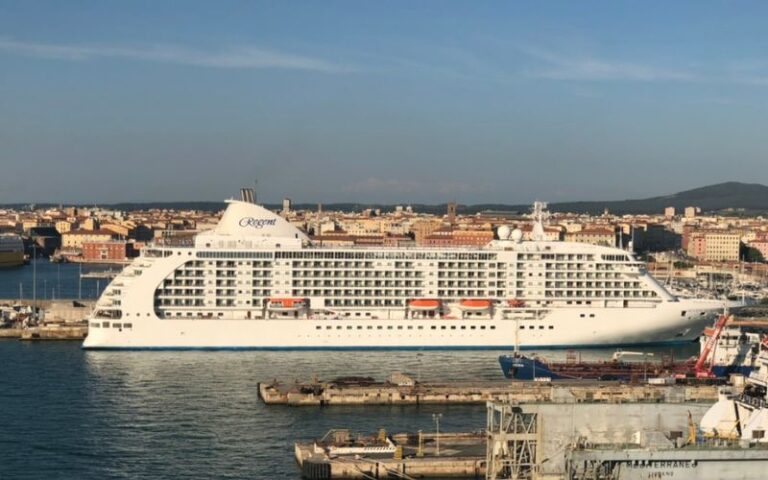
Seven Seas Voyager embarked on its subsequent voyage from Southampton on 1st September 2026, a 10-night cruise scheduled to conclude in Copenhagen, Denmark, on 11th September. However, this sailing did experience an itinerary modification entirely unrelated to the passenger death.
A planned call to Zeebrugge, Belgium, was cancelled to allow the ship to remain in Southampton for shore power testing. This technology allows cruise ships to plug into electrical power whilst docked, reducing emissions by shutting down onboard generators.
As a result of the change, Seven Seas Voyager remained in Southampton through 2nd September before continuing to Rotterdam in the Netherlands. The remainder of the itinerary includes port calls to Kristiansand and Oslo in Norway, Lysekil in Sweden, Aarhus in Denmark, and Kiel in Germany before the cruise concludes in Copenhagen.
Shore power testing represents an important step in the cruise industry’s environmental initiatives, allowing ports and ships to work together in reducing air pollution in harbour areas. Many European ports have been installing shore power infrastructure as part of broader sustainability commitments.
Seven Seas Voyager’s Luxury Offering
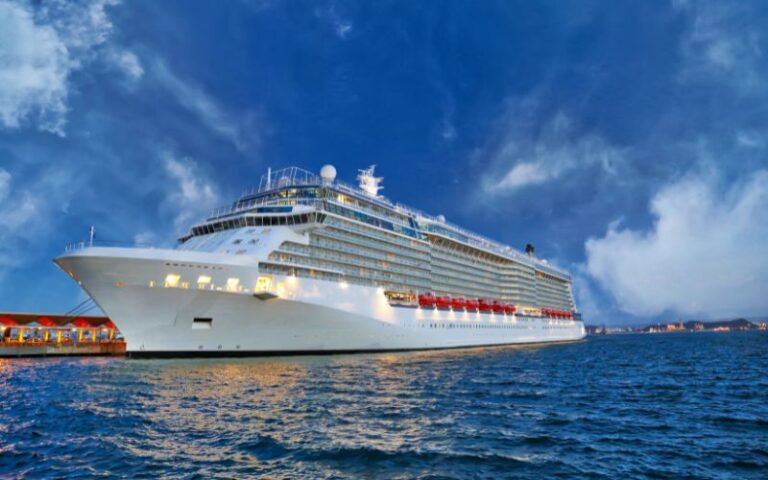
Seven Seas Voyager entered service in 2003 and remains a cornerstone of Regent Seven Seas Cruises’ all-inclusive luxury product. The vessel is the third oldest ship in the line’s current six-ship fleet, which has built a reputation for offering one of the most inclusive cruise experiences in the industry.
The ship underwent a significant refurbishment earlier in 2026, with extensive upgrades throughout the vessel. The renovation included refreshed public spaces, upgraded suites, and completely redesigned bathrooms, ensuring the 23-year-old ship maintains competitive standards against newer luxury vessels.
With a capacity for 698 guests, Seven Seas Voyager maintains the intimate atmosphere that luxury cruise passengers expect whilst offering the amenities and service levels associated with Regent’s brand. The ship’s size allows access to smaller ports that larger vessels cannot reach, enhancing itinerary flexibility.
Seven Seas Voyager operates a diverse range of itineraries spanning the Mediterranean, Northern Europe, and the Middle East. These voyages range from week-long sailings to extensive Grand Voyages exceeding 50 nights, catering to passengers seeking both shorter breaks and immersive long-distance cruising experiences.
Regent’s Fleet Expansion Plans
Regent Seven Seas Cruises is preparing for significant fleet growth with the upcoming introduction of Seven Seas Prestige. The 77,000-gross-ton vessel is scheduled to debut on 13th December 2026 with a 14-night maiden voyage from Barcelona, Spain, to Miami, Florida.
Seven Seas Prestige represents the newest class of ships for the luxury line and will join sister ship Seven Seas Grandeur, which entered service in 2023. These vessels mark a step up in size and capacity for Regent whilst maintaining the all-suite, all-balcony configuration that has become the brand’s hallmark.
Norwegian Cruise Line Holdings, the parent company of Regent Seven Seas Cruises, has placed orders for three additional Prestige-class sister ships with Italian shipbuilder Fincantieri. These vessels are scheduled to debut in 2030, 2033, and 2036, ensuring continued fleet expansion over the next decade.
The investment in new tonnage reflects confidence in the luxury cruise segment’s continued growth. Despite representing a small portion of the overall cruise market by passenger numbers, luxury cruising commands premium pricing and attracts passengers with higher spending power.
Industry Context For Medical Emergencies At Sea
Deaths aboard cruise ships, whilst tragic, are not uncommon given the demographic profile of many cruise passengers and the length of voyages. Modern cruise ships carry medical facilities and trained medical personnel to handle emergencies, though their capabilities are limited compared to land-based hospitals.
The average age of cruise passengers, particularly in the luxury segment, tends to be higher than the general population, which naturally increases the likelihood of medical emergencies. Longer cruises, such as the 12-night sailing Seven Seas Voyager was operating, present additional risk factors simply due to the extended time at sea.
Cruise lines maintain protocols for handling deaths at sea, including procedures for preserving remains, notifying next of kin, and coordinating with local authorities in the nearest suitable port. These protocols are developed in consultation with maritime law experts and international regulations.
The availability of morgue facilities aboard cruise ships is standard practice, though cruise lines rarely publicise this aspect of shipboard operations. These facilities allow for dignified handling of remains when deaths occur during voyages, particularly on longer sailings far from home ports.
Passenger Support And Assistance Measures
When a passenger death occurs, cruise lines typically provide support services to travelling companions and family members. This assistance can include counselling services, help with travel arrangements, and liaison with local authorities and consular officials when international passengers are involved.
The financial implications of a passenger death can also be significant, with cruise lines often working with travel insurance providers to facilitate claims and repatriation of remains. This underscores the importance of comprehensive travel insurance, particularly for older travellers or those with pre-existing medical conditions.
For fellow passengers aboard the ship, cruise lines generally maintain discretion about medical emergencies and deaths, balancing respect for the deceased and their family with the need to continue providing a positive experience for other guests. Staff are trained to handle these situations with sensitivity and professionalism.
The incident aboard Seven Seas Voyager serves as a reminder of the importance of medical preparedness when travelling, particularly on cruise vacations. Passengers with significant health concerns should consult their physicians before embarking and ensure they carry adequate supplies of any necessary medications for the duration of their voyage.