
For a lot of cruise travellers, especially first-timers, the instinct is pretty simple. Newer ship equals better ship. Older ship equals compromise. And honestly, I used to think that too.
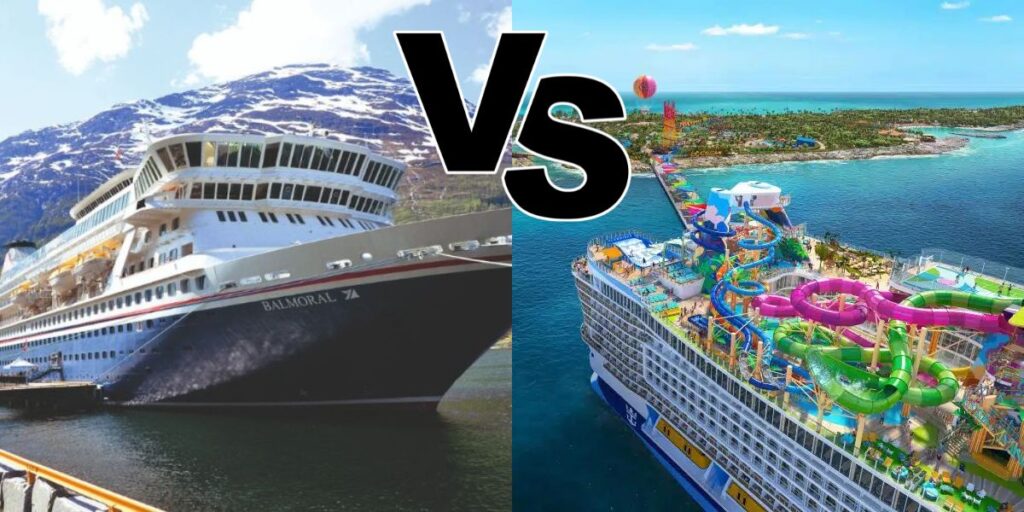
It makes sense on the surface. If you’re spending a fair bit on a holiday, why wouldn’t you want the latest ship with the shiny restaurants, clever cabin tech and enough attractions on the top deck to rival a seaside amusement park?
But cruise ships don’t really work like cars or mobile phones. Newer doesn’t automatically mean better for every kind of traveller, and older definitely doesn’t automatically mean tired, shabby or second best…
Defining Older Cruise Ships
There is no strict rule on what makes a cruise ship “old”.
However, when I was putting this guide together, I did some research. And of the approximately 320 cruise ships that are operating today, around half have been built within the last 20 years, and the other half still sailing predate that – some by quite a bit! (source)
There are several tall sailing ships that are over 100 years old. When it comes to regular cruise ships, many sail for around 40 years before being scrapped.
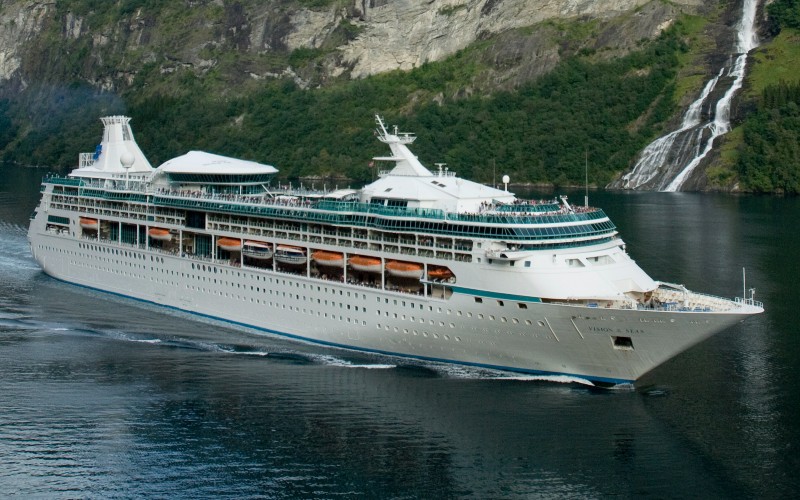
Also, here’s something interesting. The average gross tonnage of ships built within the last 20 years is around 97,000, compared with 50,000 for ships built before 2006. So in practical terms, more modern cruise ships have pretty much doubled in size.
That matters, because when people ask whether old cruise ships are still worth booking, what they’re often really asking is something slightly different.
They’re asking whether they should choose a smaller, simpler, more traditional ship – or pay extra for a larger, more feature-heavy floating resort.
And that’s where things get really interesting.
Because yes, age matters – but not quite in the way people think.
Cruise Ship Age Matters Less Than You Think
If I had to boil the whole debate down into one sentence, it would be this: the launch year matters, but the experience matters more.
A 20-year-old ship that’s been properly refurbished can feel fresher, smarter and more enjoyable than a much younger ship that hasn’t been especially well looked after. Equally, a brand-new ship can be absolutely worth the premium if you’ll genuinely use what it offers.

A ship’s age can hint at certain things. Older ships are more likely to be smaller, to have fewer balcony cabins, fewer speciality restaurants and less of the headline-grabbing stuff on the top deck.
Newer ships are more likely to have bigger spas, more dining choice, more family attractions, more tech and more modern cabin layouts.
But there are other questions that matter just as much.
What Actually Matters More Than Age
When you strip it back, these are the factors that really shape your cruise:
- When the ship was last refurbished
- How big it is and how many passengers it carries
- What kind of onboard experience you want
That’s why “old versus new” is really only the starting point. The better question is whether the ship fits the holiday you actually want.
Cruise Ships Haven’t Just Got Newer – They’ve Got Bigger
This is the biggest shift in modern cruising, and it’s the part that gets lost when people focus purely on age.
Yes, the fleet is younger in many cases. But more importantly, newer ships are usually much larger. That size change affects almost everything about the onboard experience – the atmosphere, the passenger mix, the dining options, the entertainment and even the kinds of ports a ship can visit.
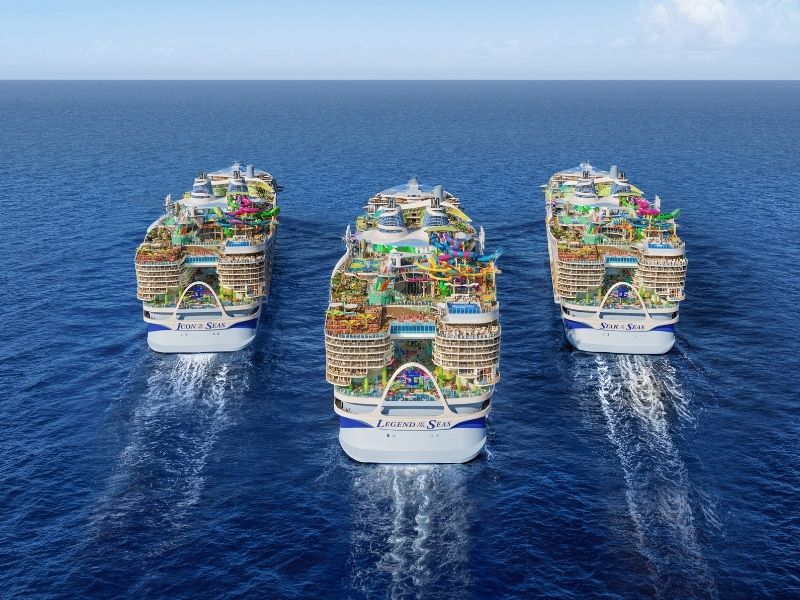
A ship built before 2006 is, on average, a very different proposition from one built afterwards.
Older ships were generally designed as comfortable bases for a holiday. Newer ships, especially at the mainstream end, are increasingly designed as destinations in themselves.
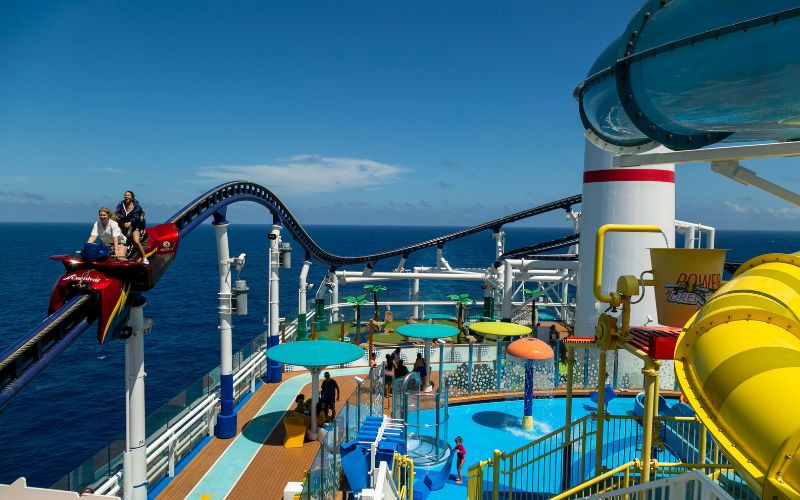
That’s why you now see waterparks, go-karts, zip lines, neighbourhood-style layouts and huge suite complexes. The ship is no longer just transport and accommodation. It’s part theme park, part resort, part entertainment complex.
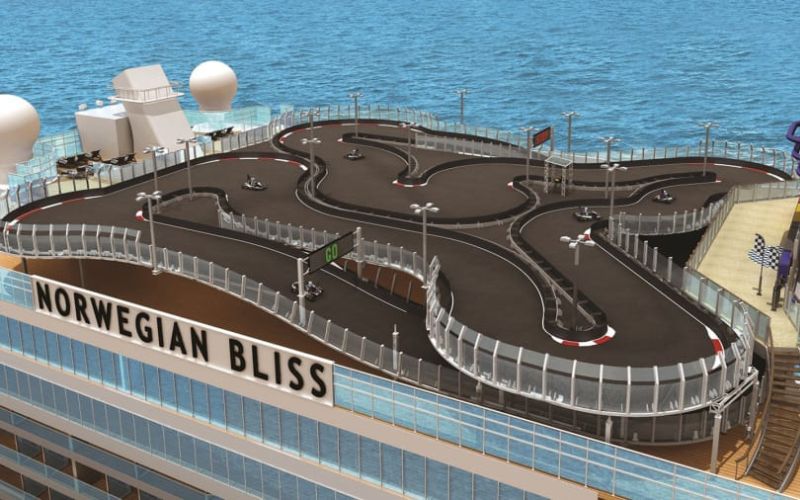
That’s brilliant for some people, but not for everyone. Older ships tend to feel simpler. Less frantic. More like “ships”, frankly.
Suggested read: Forget Mega Ships – These Are The Smallest Cruise Ships In The World
Refurbishment Matters More Than Age
If you take one practical tip from this guide, make it this one: check refurbishment history.
A ship launched in 2003 but heavily refurbished in 2018 may feel far newer than expected.
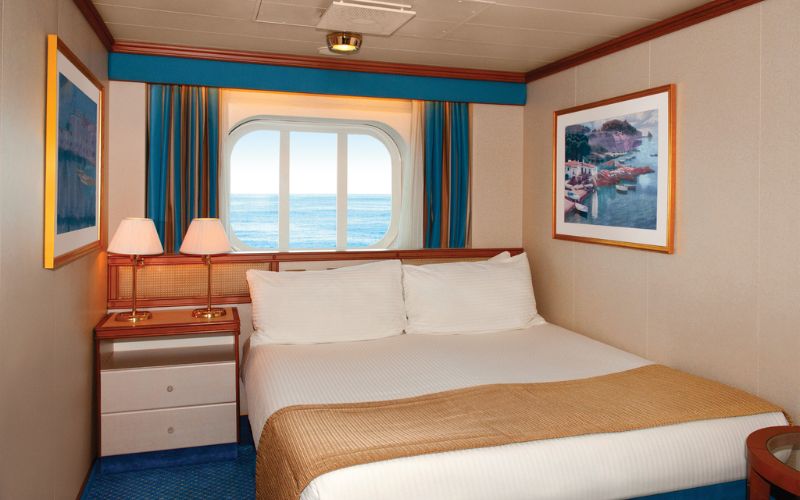
When people worry about older ships, they’re rarely thinking about safety. They’re thinking about what they’ll notice day to day.
- Worn furniture
- Dated cabins
- Limited plug sockets
- Tired bathrooms
- Carpets that have seen better days
Those concerns are valid. But they’re not solved by checking the build year alone.
What to Look For in a Refurbishment
Not all refurbishments are equal. Some are transformative, others are cosmetic.
Look for:
- Cabin upgrades, not just public areas
- New or updated dining venues
- Refreshed soft furnishings and decor
- Added features (slides, bars, lounges, etc.)
- Improved layout or usability
Some older ships hit a sweet spot here – lower price, smaller scale, but modern enough not to feel tired. That’s often where the best value is.
8 Key Differences That Matter
1. Size and Crowds
This is the biggest practical difference, and it affects almost everything else.
Newer ships are typically much larger, often carrying 4,000–6,000 passengers or more. That scale allows for more venues and attractions, but it also means more people competing for the same spaces – whether that’s the buffet at lunchtime, loungers on sea days or seats for a popular show.

Older ships, by contrast, are usually smaller and easier to navigate. You’re less likely to feel like you’re constantly walking from one end of a small city to the other just to grab a coffee. Embarkation, disembarkation and moving around the ship can all feel a bit more straightforward.
That doesn’t automatically mean older ships feel empty or newer ships feel overcrowded – design plays a role too – but if you’re sensitive to crowds, size is something you’ll notice very quickly.
2. Atmosphere
Older ships often feel calmer and more traditional. There’s usually less background noise, fewer competing venues and more spaces designed simply for sitting, reading or watching the sea.
You’re more likely to find proper lounges, quieter bars and open deck areas without something shouting for your attention every five minutes.

Newer ships tend to feel busier and more energetic. There’s more going on, more announcements, more activities and more of a “what shall we do next?” vibe. For some people, that’s exactly what they want. For others, it can feel a bit relentless.
A useful way to think about it is this: older ships feel more like a ship with entertainment, while newer ships feel more like a resort that happens to float.
3. Onboard Attractions
If you want waterparks, zip lines, surf simulators, go-karts, skydiving simulators or full-on production shows, you’re looking at newer ships. They’ve been designed to keep people entertained onboard for days at a time, especially on itineraries with lots of sea days.
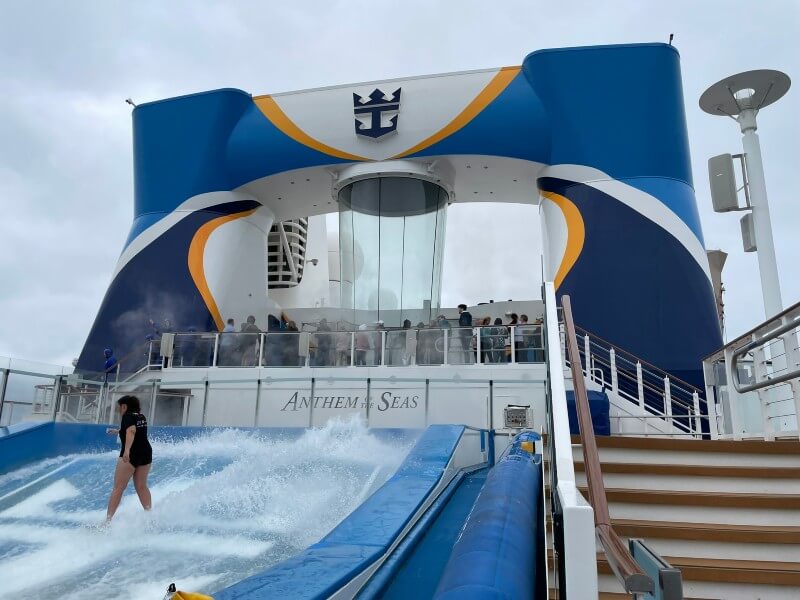
Older ships are simpler. You’ll still have pools, theatres, bars, quizzes, live music and the usual cruise staples, but you won’t find the same level of headline-grabbing attractions.
Whether that matters depends entirely on you. If you’re the sort of person who books a cruise partly for the ship itself, newer will feel like an upgrade. If you’re more interested in relaxing, reading, eating well and exploring ports, you may not miss those extras at all.
4. Dining Options
Newer ships have leaned heavily into dining variety.
It’s not unusual to find 15, 20 or even more dining venues on a modern ship, ranging from included options to speciality restaurants covering everything from steakhouses to sushi to teppanyaki. That level of choice can be great if you like variety and don’t mind planning meals or paying for upgrades.

Older ships tend to have fewer options. Typically a main dining room, a buffet and a handful of alternatives. That can sound like a downside, but it often means a simpler experience with fewer decisions and less temptation to spend extra.
There’s also an argument that on smaller ships, the main dining experience can feel a bit more consistent simply because the operation isn’t trying to cater to quite so many different venues at once.
5. Cabins and Technology
Newer ships generally have more balcony cabins, more modern layouts and better in-room tech. That includes things like multiple plug sockets, USB ports, better lighting, bigger TVs, smarter storage and more contemporary bathrooms.

Older ships can feel a bit behind in those areas. You might find fewer sockets, more limited layouts or bathrooms that haven’t changed much in years. That doesn’t make them unusable, but it can be noticeable, especially if you’re used to modern hotels.
That said, some older ships do have larger cabins or more usable space, and not everyone cares about having an app to control the lights. It’s one of those areas where “better” depends on what you actually value.
6. Itineraries
This is one of the biggest advantages older ships have.
Because they’re smaller, they can access ports that larger ships simply can’t. That might mean docking in smaller, more interesting destinations, avoiding the busiest mega-ship ports or offering routes that feel a bit less repetitive.

Newer, larger ships often stick to ports that can handle their size. That tends to mean more established routes and, in some cases, a heavier focus on private islands or heavily developed cruise destinations.
If your priority is seeing new places rather than experiencing the ship itself, this is where older ships can really stand out.
7. Passenger Mix
The type of ship you choose can subtly influence who else is onboard.
Newer ships, with all their attractions and family-friendly features, tend to draw more families, larger groups and first-time cruisers. That can make for a lively, energetic atmosphere – but also a busier one, particularly during school holidays.
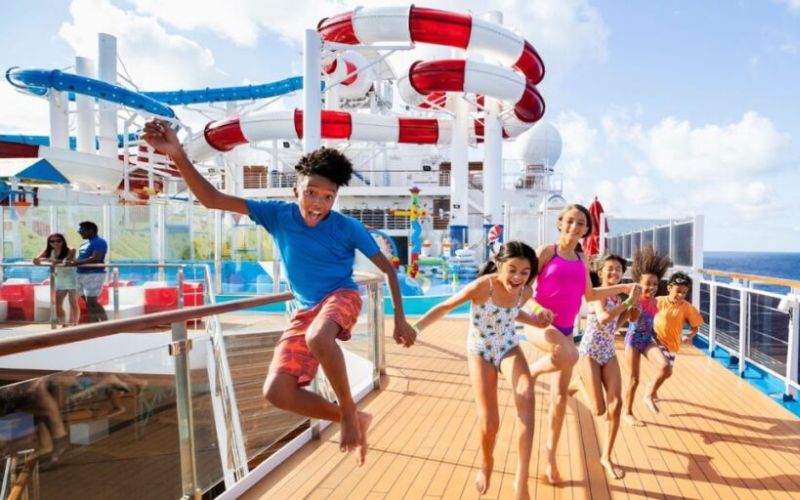
Older ships often attract more experienced cruisers, couples and people who are less interested in the big attractions. That can translate to a slightly quieter, more laid-back vibe overall.
It’s not a hard rule – you’ll find a mix everywhere – but the feel of the crowd can differ more than people expect.
8. Value for Money
Older ships are usually cheaper – although it will vary. Sometimes significantly so. You might pay 30–50% less compared to a newer ship on a similar itinerary, which can mean upgrading your cabin, extending your trip or simply saving money.

Newer ships come at a premium, and often with more opportunities to spend once you’re onboard. That doesn’t make them bad value, but it does mean you should be clear about what you’re paying for.
If you’re going to use the extra restaurants, enjoy the shows and make the most of the facilities, the price can make sense. If not, you may find yourself paying more for things you barely touch.
For a lot of people, this is the turning point. Not which ship is “better”, but which one gives them the best overall holiday for their budget.
Who Should Book Older Ships?
You care more about where you’re going than what’s on the top deck
If your cruise is about the destinations, not the ship itself, older ships make a lot of sense. You’re paying for the itinerary, not the zip line you’ll never use.
You prefer a calmer, less hectic atmosphere
Older ships tend to feel more relaxed. Fewer announcements, fewer crowds, fewer people trying to do the same thing at the same time.

You don’t need endless dining and entertainment options
If you’re happy with a main dining room, a buffet and a few bars, you won’t miss having 20 restaurants and a packed activity schedule.
You’d rather save money or upgrade your cabin
The lower fares on older ships often mean you can stretch your budget further – whether that’s a balcony instead of an inside, or an extra night or two.

You like a more traditional cruise experience
Think promenade decks, ocean views and spaces designed for sitting and watching the sea rather than filling every corner with attractions.
You’ve cruised before and know what you actually use
Repeat cruisers often realise they don’t need the newest ship every time. Once you know what you enjoy, it’s easier to skip the extras.
When Are New Ships Worth the Extra?
You want the ship to be part of the main attraction
If the idea of a floating resort appeals, newer ships deliver. You’re not just travelling – you’re experiencing the ship itself.
You’re travelling with kids or a mixed group
Newer ships are built for variety. Slides, kids’ clubs, shows and multiple dining options make it easier to keep everyone happy.
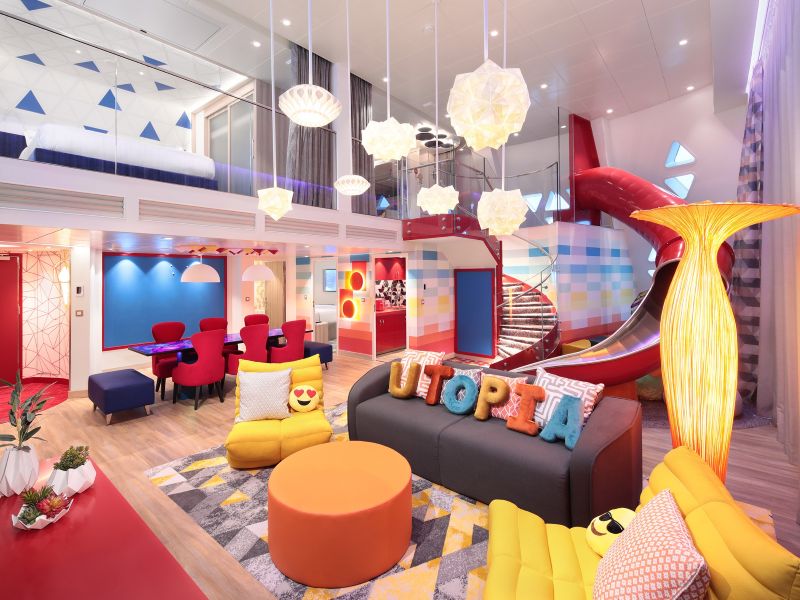
You enjoy lots of choice, especially for food and entertainment
If you like having options – and plenty of them – newer ships are hard to beat. There’s always somewhere new to eat or something to do.
You have several sea days
The more time you’re onboard, the more those extra facilities start to matter. On a sea-day-heavy cruise, a bigger ship can feel worth it.
Modern cabins and tech are important to you
If things like USB ports, a big TV and more contemporary bathrooms matter, you’ll notice the difference on newer ships.
You’re new to cruising and want a safe bet
For first-time cruisers, newer ships can feel like an easy introduction. More familiarity, more choice and fewer chances to feel underwhelmed.
How Ship Age Impacts Safety
This is the concern people don’t always say out loud – but it’s usually there.
If a ship is 20 or 25 years old, is it still safe?
The short answer is yes. Age on its own isn’t a safety issue.
Cruise ships are subject to strict international regulations and constant inspection. They don’t just get checked every now and then – maintenance is ongoing, and it’s planned down to individual systems.
And remember, ships are maintained constantly – not just as part of the occasional dry dock.
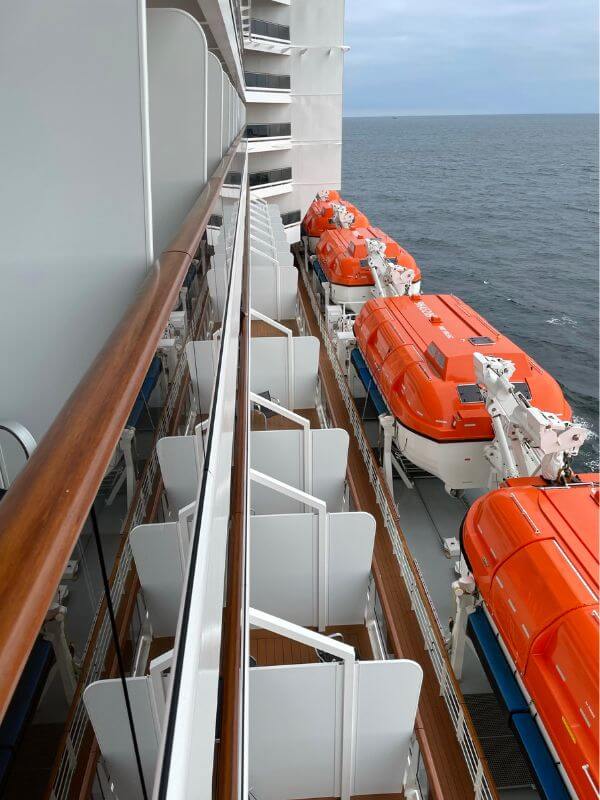
Engines, navigation equipment, safety systems, lifeboats, firefighting equipment – all of it is routinely tested, serviced and replaced when needed.
Crew can carry out significant repairs while the ship is still in operation, and systems are maintained on rolling schedules. Dry dock is just the bigger, more visible part of that process – where hull inspections, major overhauls and larger upgrades take place.

If anything, older ships are often subject to more frequent inspections and maintenance cycles, not less.
There’s also a commercial reality behind it. Cruise lines won’t keep a ship in service if it becomes too expensive to maintain safely. At that point, it’s either sold on or retired altogether.
So the idea of a cruise line knowingly operating an unsafe ship just doesn’t hold up.
TODAY’S BEST CRUISE DEALS!
Don’t miss these offers…
Before You Book: What to Check
Before choosing between an older or newer ship, look at:
- Last refurbishment date
- Ship size and passenger capacity
- Itinerary and number of sea days
- Dining options (included vs extra cost)
- Cabin photos, not just descriptions
- Reviews mentioning condition and upkeep
And most importantly, be honest about what you actually want from your cruise.
Because in the end, newer isn’t automatically better, and older isn’t automatically worse.
Older ships can offer better value, more interesting itineraries and a more relaxed experience. Newer ships can offer more facilities, better cabins and more onboard entertainment.
The best choice isn’t the newest ship. It’s the right ship.
