Finland’s leading shipbuilder Meyer Turku has introduced a groundbreaking cruise ship concept designed to achieve net-zero emissions, setting out plans that could reduce carbon output by more than 90 percent compared with current International Maritime Organization standards.
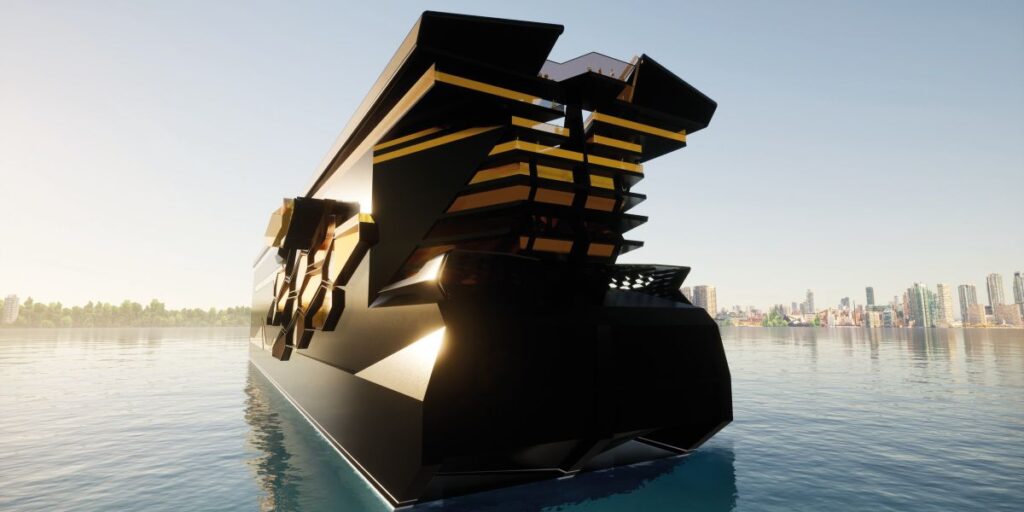
The concept, developed under the AVATAR research project, outlines a large cruise vessel that would combine renewable fuels, lighter construction and advanced onboard energy systems. If brought to fruition, the design could result in one of the cleanest large cruise ships ever constructed.
At the heart of the proposal is a shift towards bio-methanol as the ship’s primary fuel source. Produced from renewable materials, bio-methanol generates significantly fewer emissions than conventional marine fuels. By adopting this alternative fuel, the vessel would be able to operate with a drastically reduced carbon footprint without sacrificing operational performance or reliability.
Alongside the fuel innovation, the ship’s physical design has been refined to improve efficiency. Engineers have worked to minimise weight and reduce hydrodynamic drag, ensuring the vessel requires less energy to travel through the water. These structural efficiencies play a central role in achieving the overall emissions target.
Advanced Energy Systems On Board
Energy efficiency has also been prioritised within the ship itself. The concept incorporates next-generation air-handling systems capable of cutting heating and cooling demands on cabin decks by nearly 50 percent.
In addition to lowering overall energy consumption, this approach would enhance passenger comfort by maintaining stable cabin temperatures while limiting environmental impact.
The vessel would also integrate a range of renewable energy technologies, including wind-assisted propulsion, extensive solar panel arrays and intelligent energy management software.
Working together, these systems would generate supplementary renewable power during voyages and reduce dependence on fossil fuels.
A Digital Twin For Smarter Design
Among the most forward-looking elements of the project is the use of digital twin technology.
Engineers create a comprehensive virtual replica of the vessel, enabling them to simulate real-world conditions such as varying weather patterns, sailing routes, fuel consumption, passenger behaviour and maintenance requirements.
By testing thousands of potential scenarios before physical construction begins, designers can optimise performance, efficiency and sustainability at every stage. This data-driven approach not only reduces risk but also ensures that environmental targets are embedded into the ship’s design from the outset.
While the concept remains at the research and development stage, Meyer Turku’s proposal highlights the accelerating push within the cruise sector towards cleaner propulsion and lower emissions.
As regulatory pressure intensifies and cruise lines seek to meet increasingly ambitious climate targets, innovative designs such as this could help define the next era of large-ship cruising.