Carnival Cruise Line has launched a ground-breaking shoe recycling programme across its entire U.S. fleet in partnership with Miami-based organisation Sneaker Impact. The initiative collects unclaimed footwear left behind onboard, alongside shoes donated by guests and crew members, diverting them from landfills and giving them new purpose through reuse or recycling.
First-Of-Its-Kind Partnership Between Cruise Line And Recycling Organisation
The collaboration represents the first partnership of its kind between a major cruise line and Sneaker Impact, marking a significant step forward in the cruise industry’s sustainability efforts. All collected shoes are transported to Sneaker Impact’s Miami facility, where they undergo evaluation and processing to determine the most environmentally responsible path forward.

The programme addresses a practical problem that has long affected the cruise industry – the volume of items left behind by passengers after disembarkation. Shoes, in particular, represent a common forgotten item that previously would have contributed to waste streams.
By creating a structured system to collect and redirect these items, Carnival has transformed what was once a disposal challenge into an opportunity for positive environmental and social impact.
Impressive Results From Initial Trial Phase
Initial results from the programme’s trial phase have exceeded expectations, demonstrating significant potential for large-scale impact. During July, with just five Carnival vessels participating in the shoe collection effort, the programme successfully diverted more than 500 pairs of shoes from landfills in a single month.
“We’re always looking for new ways to reduce waste and strengthen our sustainability efforts,” said Benton Lobo, vice president of compliance and environmental operations at Carnival Cruise Line. “In July, with just five of our ships offloading shoes, we kept more than 500 pairs out of landfills in a single month.”
Scaled across our full fleet, we see the potential to give new life to about 50,000 pairs of shoes. It’s proof that a small idea can add up to a real impact, both onboard and in communities around the world.”
When extrapolated across Carnival’s entire fleet of vessels, the cruise line projects the programme could divert approximately 50,000 pairs of shoes annually from landfills. This substantial volume underscores both the scale of the opportunity and the cruise line’s commitment to finding innovative solutions to operational waste challenges.
Sophisticated Sorting System Determines Best Use For Each Pair
Sneaker Impact employs a comprehensive sorting and evaluation system to determine the optimal outcome for each pair of shoes received through the programme. Footwear arrives at the Miami facility in various conditions, from nearly new items accidentally left behind to well-worn shoes donated by crew members at the end of their useful life.
Shoes deemed to be in good, wearable condition follow a reuse pathway designed to generate economic opportunity in developing regions. These pairs are made available to small business owners and entrepreneurs in communities around the world, who can sell them to generate income and support their families.
This approach extends the useful life of the footwear whilst simultaneously creating economic development opportunities in areas where access to affordable shoes may be limited.
Footwear that has reached the end of its wearable life doesn’t go to waste either. Instead, these shoes enter a recycling stream where they are carefully disassembled and their component materials recovered.
The separated materials can be repurposed into a wide range of products, including athletic surfaces such as running tracks and sports courts, yoga mats, components for new footwear, and various other manufactured goods.
Creating Social Impact Alongside Environmental Benefits
The partnership delivers benefits that extend well beyond environmental metrics, creating meaningful social impact in developing economies. By providing inventory to small-scale retailers and entrepreneurs, the programme contributes to income generation and economic self-sufficiency in communities that often face limited access to international supply chains.
“Sneaker Impact is honoured to partner with Carnival Cruise Line, as they share our commitment to sustainability and making a positive impact. Together, we’re making it easy for guests to give their unwanted footwear a second life through reuse and responsible recycling.”
We’re excited to see how many pairs of shoes, and lives, we can impact together,” noted Moe Hachem, CEO of Sneaker Impact.
The dual focus on environmental responsibility and social development aligns with broader trends in corporate sustainability, where leading companies increasingly seek initiatives that address multiple stakeholder concerns simultaneously. Rather than viewing sustainability purely through an environmental lens, this approach recognises the interconnected nature of ecological and social challenges.
Part Of Broader Sustainability Strategy And Emissions Goals
The shoe recycling initiative represents one component of Carnival Cruise Line’s comprehensive approach to environmental stewardship and sustainability. The programme sits within a larger framework of initiatives designed to reduce the cruise line’s environmental footprint across multiple dimensions, from waste management to energy consumption and emissions reduction.
Carnival recently announced an ambitious target to achieve a 25 per cent reduction in greenhouse gas emissions intensity by 2029, compared to its 2019 baseline. This commitment reflects the increasing pressure on cruise operators to address their carbon footprint and contribute to global climate goals.
The shipping industry as a whole faces mounting expectations from regulators, investors, and consumers to demonstrate meaningful progress on decarbonisation. The greenhouse gas reduction target will require substantial investment in new technologies, operational improvements, and potentially alternative fuels.
Carnival Corporation, the parent company of Carnival Cruise Line, has been exploring various approaches including liquefied natural gas propulsion, shore power connections to reduce emissions whilst in port, and energy efficiency improvements across its fleet.
Carnival’s Environmental Track Record And Industry Context

Carnival Cruise Line, operating as part of the broader Carnival Corporation portfolio, has faced both praise for sustainability initiatives and criticism over environmental compliance issues in recent years. The company operates one of the world’s largest cruise fleets, with vessels sailing to destinations across the Caribbean, Mexico, Alaska, Europe, and beyond.
The scale of Carnival’s operations means that even small percentage improvements in waste diversion or emissions reduction translate into substantial absolute impacts. With millions of passengers sailing aboard Carnival vessels each year, programmes that engage guests in sustainability efforts can create meaningful change whilst also building awareness and shifting behaviours that passengers may carry forward into their daily lives.
The cruise industry more broadly has made substantial investments in environmental technologies and programmes over the past decade, responding to regulatory requirements such as the International Maritime Organization’s sulphur cap and ballast water management rules, as well as voluntary commitments to exceed baseline compliance standards.
Advanced wastewater treatment systems, waste-to-energy technology, and sophisticated recycling programmes have become standard features aboard newly built vessels.
Guest And Crew Participation Key To Programme Success
The shoe collection programme relies on active participation from both passengers and crew members to achieve its potential impact. Guests sailing aboard Carnival vessels are encouraged to donate shoes they no longer need rather than discarding them, whilst crew members can contribute footwear that has reached the end of its useful life after long periods working at sea.
Carnival’s crew members, who typically work contracts lasting several months at a time, represent a significant potential source of donated footwear. The physical demands of shipboard work, combined with limited storage space in crew accommodations, mean that crew members often need to replace worn-out shoes during their contracts.
By providing a convenient donation option, the programme ensures these shoes enter the recycling stream rather than being discarded. The programme also addresses the practical reality that passengers frequently forget items when disembarking after their cruise.
Lost and found departments aboard cruise ships handle thousands of items annually, many of which go unclaimed despite cruise lines’ efforts to reunite passengers with their belongings. By establishing partnerships like the one with Sneaker Impact, Carnival can ensure that unclaimed items serve a useful purpose rather than simply being disposed of after a holding period.
Looking Forward As Programme Expands Fleet-Wide
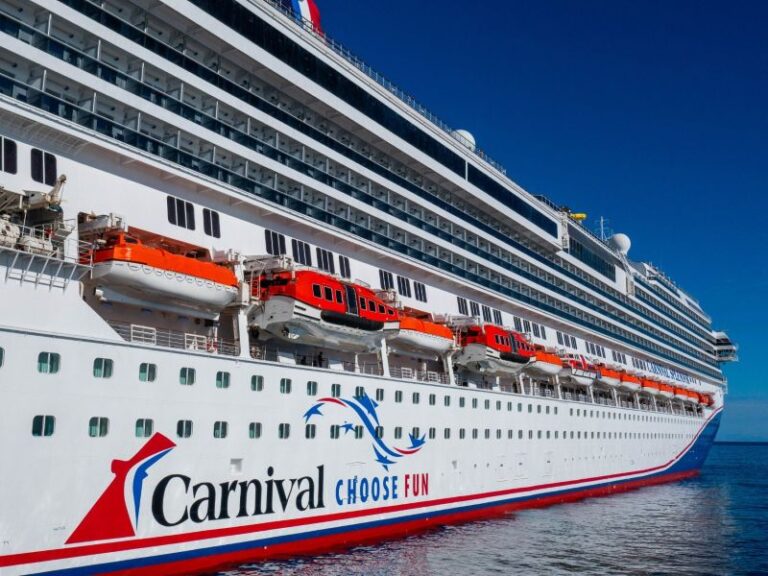
As the shoe recycling initiative rolls out across Carnival’s complete U.S. fleet, the cruise line will gain valuable data on collection volumes, guest participation rates, and overall programme effectiveness. These metrics will help refine collection procedures, identify opportunities to increase participation, and potentially inform similar initiatives for other categories of items commonly left behind or donated by passengers and crew.
The partnership model established with Sneaker Impact could serve as a template for collaborations with other specialised recycling organisations focused on different material streams. Cruise lines generate diverse waste categories, from textiles and electronics to cooking oil and food waste, each of which may benefit from partnerships with organisations possessing specific expertise and processing capabilities.
Success of the programme may also inspire similar initiatives across other cruise brands within the Carnival Corporation family, which includes lines such as Princess Cruises, Holland America Line, and Cunard Line, among others. The corporation’s substantial scale means that programmes proven effective on one brand can potentially be replicated across multiple fleets, multiplying the positive impact.
NEW DEALS JUST RELEASED!
See the latest Carnival cruise offers…