
Free cruises sound like the ultimate travel hack – and for some people, they’re very real. Not through loyalty points or casino perks, but by sharing something they already love doing.
From teaching bridge to leading photography walks at sunrise, cruise lines regularly bring guests onboard to run sessions, workshops, and talks.
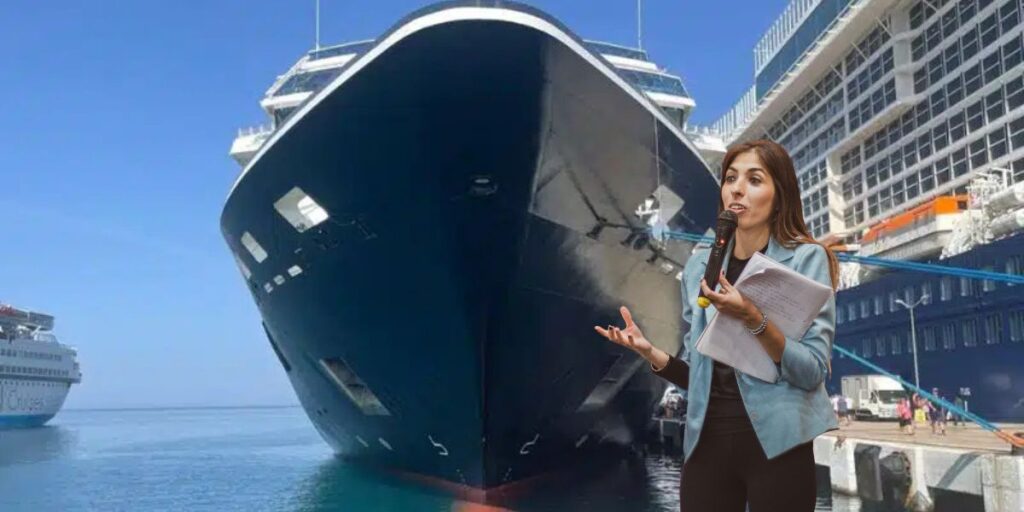
And the surprising bit? Many of these roles don’t require you to be a world-famous expert. But there’s a catch most people don’t hear about until much later.
What “Teaching Onboard” Actually Means
Cruise lines often run enrichment programmes – think of them as a timetable of activities that go beyond quizzes and pool games. On longer sailings especially, there’s demand for structured, engaging sessions that give passengers something to learn or immerse themselves in.
That’s where guest hosts come in. Instead of being full crew members, they’re usually passengers with a skill to share. In return for hosting sessions – whether that’s a daily class, a few talks across the voyage, or informal meet-ups – they may receive a free or heavily discounted cabin.
The exact deal varies wildly, which is where things get interesting.
Who Can Get Free Cruises By Teaching On A Cruise?
1. Bridge And Card Game Instructors
Bridge is a cruise staple, particularly on longer voyages and more traditional lines. A dedicated bridge instructor will typically organise daily sessions, tournaments, and beginner lessons.
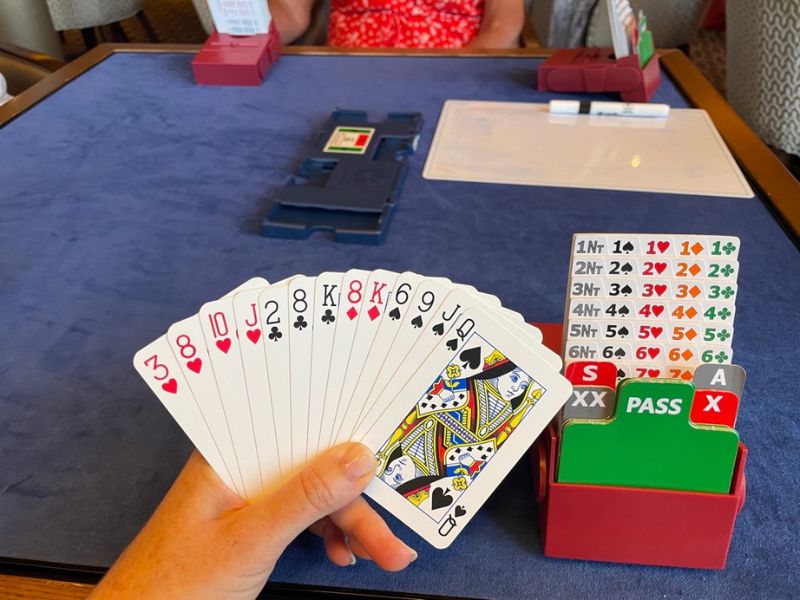
It’s not just about knowing how to play – you need to be able to teach it clearly and keep a group engaged over multiple sea days. Some instructors travel almost full-time this way, moving from one sailing to another. On certain lines, it’s one of the more established “free cruise” routes, but competition can be surprisingly high.
2. Clergy And Faith Leaders
Many cruise lines – especially those with a large British or American passenger base – will have a clergy member onboard for Sunday services and pastoral support.
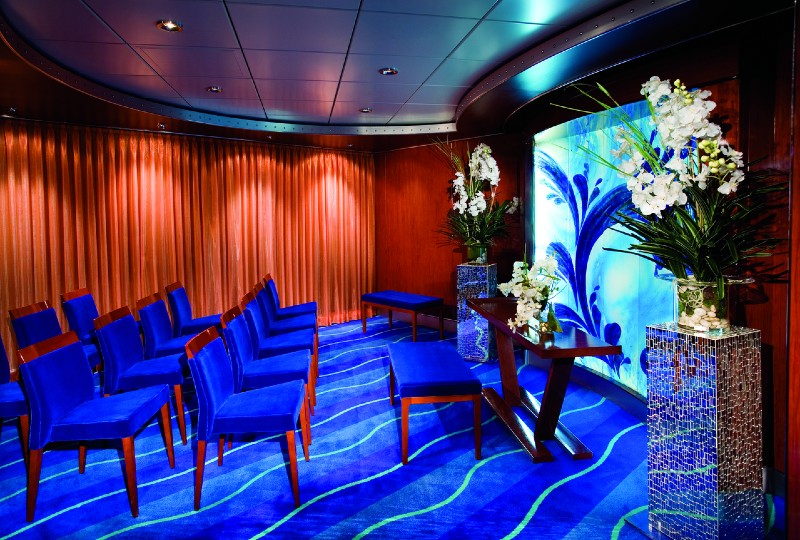
This role is often more about presence than packed schedules. Services might only take place once or twice during a sailing, but the expectation is that the clergy member is available to passengers throughout. In return, they’re typically offered a complimentary cabin, sometimes for themselves and a partner.
3. Guest Lecturers And Enrichment Speakers
If you’ve got a deep knowledge of a subject – history, wildlife, politics, even true crime – guest lecturing can be one of the most rewarding ways to cruise.
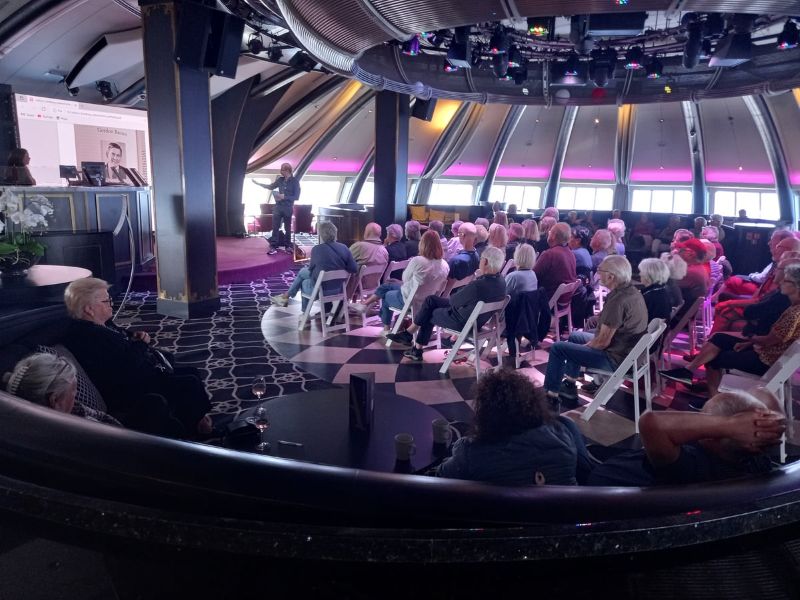
These speakers are particularly common on expedition cruises or itineraries with a strong destination focus. Think talks on Norwegian fjords before sailing through them, or wildlife briefings ahead of an Antarctic landing. Cruise lines usually look for credible experience or professional backgrounds, but you don’t always need to be an academic – engaging delivery matters just as much.
4. Arts And Crafts Hosts
From watercolour painting to knitting circles, arts and crafts sessions are hugely popular with passengers looking for a slower-paced activity.
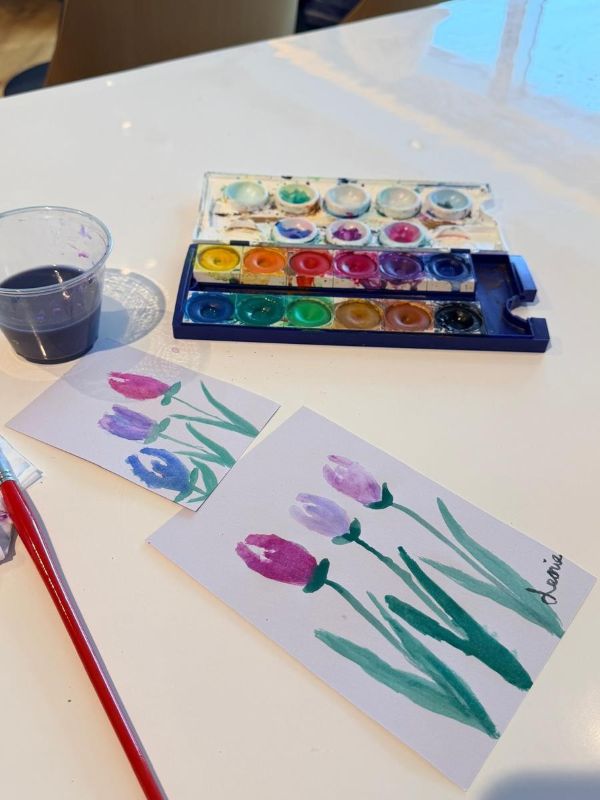
Hosts might run daily workshops or drop-in sessions, helping people complete small projects over the course of the cruise. It’s a sociable role, often with repeat attendees, and it suits people who are patient and happy to guide beginners. Materials are sometimes provided by the cruise line, but not always – and that’s one of those small details worth checking upfront.
5. Photography Experts
Photography hosts often wear a few hats. They might run classroom-style sessions on composition or editing, host photo walks in port, and offer informal advice throughout the sailing.

With so many people keen to improve their holiday photos, this is a popular enrichment area. Cruise lines tend to favour those with a strong portfolio or teaching experience, but enthusiasm and approachability count for a lot. Early mornings and late evenings can be part of the deal if you’re chasing the best light.
6. Dance Instructors
Ballroom and Latin dance are cruise classics, especially on ships with dedicated dance floors. Instructors usually host classes ranging from absolute beginner to more advanced sessions, often leading into evening dances.
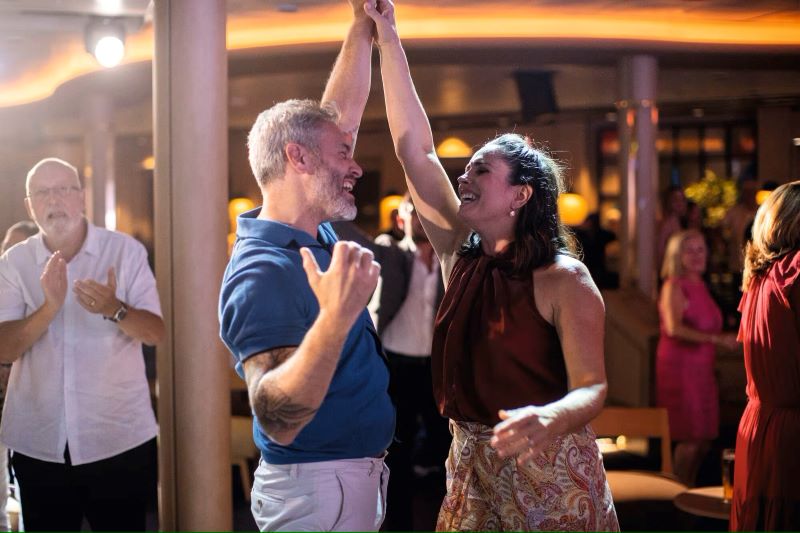
Some roles are filled by professional couples, but solo instructors can also be brought onboard. It’s a fairly visible position – you’re not just teaching, you’re helping to create a lively atmosphere onboard. Energy levels matter here just as much as technical skill.
7. Language Teachers
On longer or more culturally focused itineraries, basic language sessions can be a hit. Think “Italian for travellers” or simple conversational Spanish before a series of port stops.
These aren’t formal classes – they’re designed to be fun, accessible, and immediately useful. You don’t necessarily need to be a qualified teacher, but you do need to keep things light and engaging. Passengers aren’t looking for homework – they want confidence to order a coffee or ask for directions.
8. Fitness And Wellness Coaches
Yoga, Pilates, meditation, even posture workshops – wellness has become a big part of cruise programming in recent years.
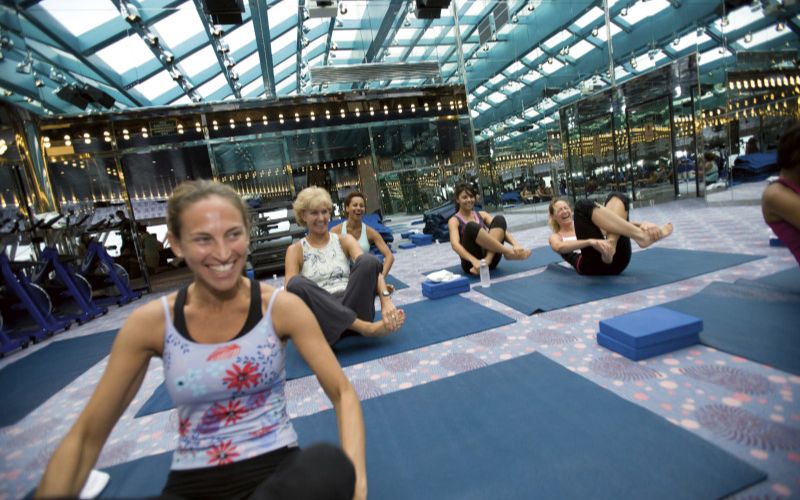
Some ships already have dedicated fitness staff, but guest instructors may be brought in for specific styles or themed sailings. Sunrise yoga on deck is a common highlight. It’s worth noting that this can be one of the more demanding roles physically, with multiple sessions and high expectations around professionalism.
TODAY’S BEST CRUISE DEALS!
Don’t miss these offers…
9. Music And Performance Coaches
This is a slightly lesser-known one, but some cruises bring onboard vocal coaches, choir leaders, or even amateur theatre directors.
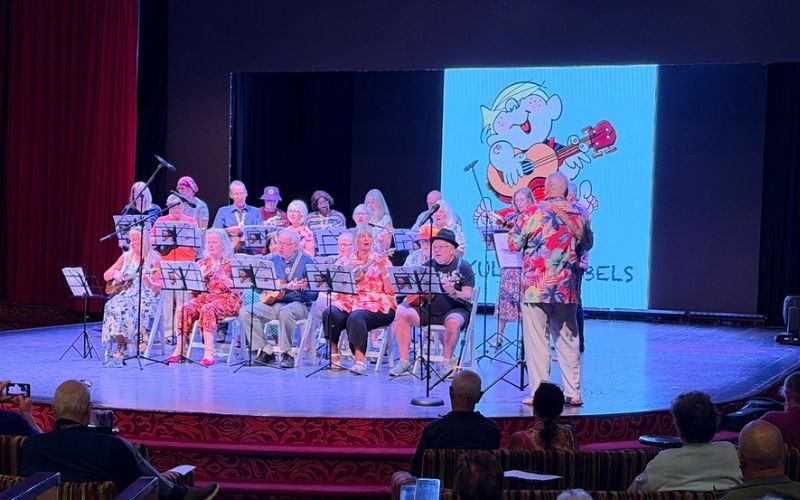
Passengers might rehearse throughout the sailing and then put on a small performance at the end. It’s a great way to build a sense of community onboard, but it does require organisation and confidence managing groups. Not every cruise line offers this, but it’s more common than people think.
10. Cookery And Food Demonstrators
Food-focused sessions can range from simple demonstrations to interactive workshops. Think knife skills, regional dishes, or even chocolate-making.
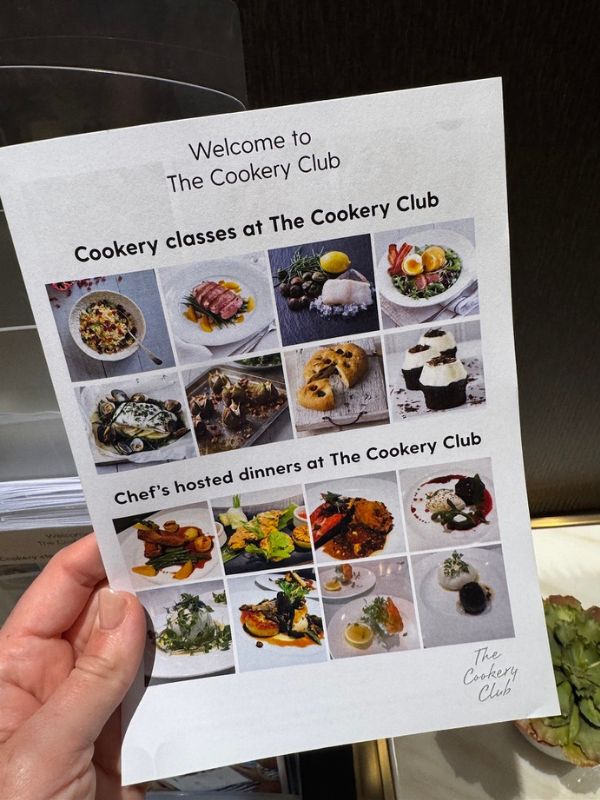
These roles are sometimes filled by guest chefs or specialists rather than professional instructors. On certain itineraries, there’s a strong link to destinations – local cuisine, wine pairings, that sort of thing. It’s a good fit if you’re comfortable speaking in front of a crowd and keeping things entertaining as well as informative.
11. Technology Tutors
Not everyone onboard is confident with smartphones, tablets, or cameras – and that’s where tech tutors come in.

These sessions can be surprisingly popular, covering everything from organising photos to using social media or video calling family back home. Patience is key here, as skill levels vary massively. It’s less glamorous than some roles, but often in steady demand.
12. Wine And Drinks Experts
Wine tastings, cocktail workshops, whisky appreciation – these sessions can be a real highlight for guests.

Cruise lines usually look for formal qualifications or industry experience here, particularly for wine. Sessions might be ticketed rather than included, which changes the dynamic slightly. It’s not just about knowledge – presentation and storytelling play a big role in making these events memorable.
13. Special Interest Hosts (From Genealogy To Astronomy)
This is where things get really varied. Genealogy experts helping passengers trace family roots, astronomy guides leading stargazing sessions at sea, even hobbyists running niche interest groups.
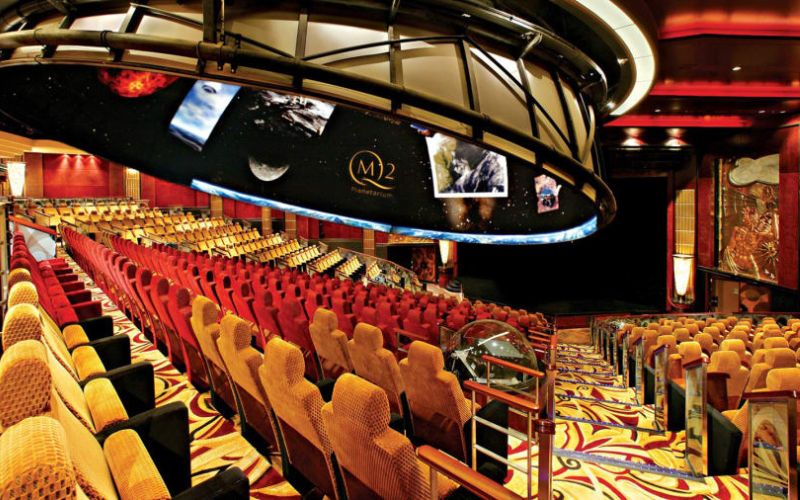
If there’s a genuine audience for it, there’s a chance it could work onboard. These roles tend to pop up on themed cruises or longer voyages where passengers are looking for something a bit different.
What Cruise Lines Expect In Return
This isn’t a free holiday where you occasionally show up for an hour. Cruise lines expect commitment, reliability, and a polished experience for guests.
You’ll usually be given a schedule in advance – sessions, meet-and-greets, possibly even social hosting duties in the evenings or helping out on excursions.
You’ll likely have to provide your own resources, such as art supplies or musical instruments.
You’ll be epresenting the cruise line, so professionalism matters. It’s closer to a working holiday than a traditional break.
How You Actually Land One Of These Roles
There’s no single application portal for this, which is where many people get stuck.
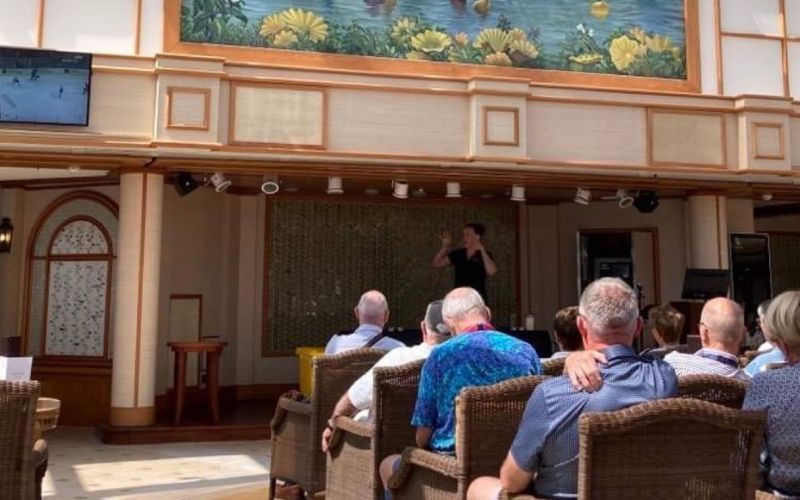
Some cruise lines work with agencies that specialise in guest speakers and enrichment hosts. Others recruit directly, particularly for niche skills. Networking can play a surprisingly big role – having a visible profile in your field, even at a local level, helps.
A clear proposal outlining what you can offer – including session ideas and how they’d benefit passengers – can go a long way. It’s not just about what you know, but how you’d translate that into an onboard experience.
Not Actually “Free”
Here’s the bit most people don’t realise: “free” rarely means everything is covered.
You might get a complimentary cabin, but still need to pay port taxes, gratuities, flights, or even some onboard expenses. Internet access and drinks packages aren’t always included either.
And then there’s the time commitment. You’re not free to do whatever you like all day – your schedule comes first. That said, you still get to experience the ship, visit ports, and enjoy the journey in a way most crew can’t.
Final Word
Getting a free cruise by teaching your hobby isn’t a myth – but it’s not quite as effortless as it sounds either. For the right person, though, it’s a brilliant way to travel with purpose. You’re not just ticking off destinations, you’re adding something to the experience for other passengers too.
And if you’ve got a skill people genuinely want to learn? You might be closer to your next cruise than you think.
