Carnival Conquest successfully rescued a mariner from a disabled sailboat in the Caribbean on Wednesday, 26th August 2026, after responding to a distress relay from rescue authorities.
The 2,980-passenger cruise ship diverted from its planned route to assist the stranded individual, who was the sole occupant of the vessel, and continued to its scheduled port call in Grenada without delay.

The rescue operation unfolded during a sea day as Carnival Conquest sailed between ports on a 14-day Caribbean itinerary.
Under the International Convention for the Safety of Life at Sea (SOLAS), all cruise ships are legally obligated to respond to distress calls and render assistance when possible, regardless of the circumstances surrounding the emergency.
This international maritime law has been a cornerstone of seafaring safety for over a century, ensuring that vessels in peril receive aid from any ship capable of providing it.
Cruise ships, with their advanced communication systems, medical facilities, and trained crew, are particularly well-equipped to respond to such emergencies.
Passengers Document Rescue Operation From Ship Decks
Guests aboard Carnival Conquest witnessed the dramatic rescue unfold from the ship’s decks, with many documenting the incident on social media.
The ship’s captain kept passengers informed throughout the operation via announcements over the public address system, explaining the nature of the rescue mission.
Video footage shared by passengers captured the small sailboat bobbing significantly in the ocean swells as the massive cruise ship approached.
The sailboat’s sails were completely stowed, suggesting the vessel may have experienced mechanical failure or lost steering capability.
Maritime experts note that stowing sails in such circumstances is standard safety protocol when a vessel becomes disabled.
“When we arrived on scene, we found a sailboat with a single passenger that appeared to be very happy to see us,” one guest posted on Facebook, describing the relief evident in the stranded mariner’s demeanour.
Carnival Cruise Line Confirms Successful Rescue Mission
Carnival Cruise Line issued an official statement confirming the rescue operation and providing details about the incident.
“Carnival Conquest rescued a mariner from a disabled sailing vessel on August 26 while sailing to Grenada,” the cruise line stated in a response to Cruise Hive.
The statement continued: “After receiving a distress relay from rescue authorities, the Conquest diverted to the vessel’s location and safely brought the sole occupant aboard.
The individual remains in the care of the ship’s team as Carnival Conquest proceeds to St. George’s, Grenada, as scheduled.”
The efficiency of the operation demonstrates the cruise line’s preparedness for such maritime emergencies, with crew members trained specifically for rescue scenarios.
Carnival’s fleet maintains regular drills and protocols to ensure swift response capabilities when distress calls are received.
Standard Protocol Followed For Rescued Individual Aboard
Following established maritime rescue procedures, the rescued mariner was provided with immediate medical assessment, food, and appropriate care upon boarding Carnival Conquest.
As is standard practice for rescued individuals who are not paying passengers, the person would not have unrestricted access to the ship’s public spaces and recreational facilities.
The individual was expected to remain in the care of the ship’s medical and security team throughout the voyage to Grenada, where they would most likely be disembarked and turned over to local authorities.
This protocol ensures both the safety and wellbeing of the rescued person whilst maintaining the security and routine operations of the cruise ship.
Carnival Conquest’s crew would have also documented the precise location of the abandoned sailboat, recording its coordinates and condition for maritime authorities.
This information is crucial for warning other vessels in the area about the presence of the derelict craft, which could pose a navigation hazard.
Carnival Conquest Operating Special Adults-Only Caribbean Voyage
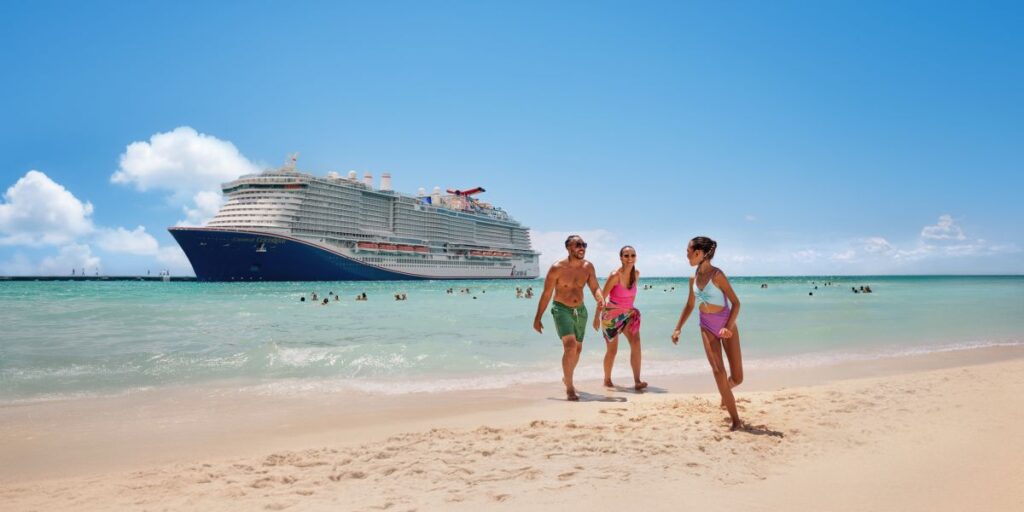
The rescue occurred during one of Carnival Cruise Line’s distinctive SEA voyages – Sailings Exclusively for Adults.
These special sailings are invitation-only cruises not available for general public booking, with eligible guests aged 21 and older receiving email invitations when such voyages are scheduled.
The adults-only concept has proven popular amongst cruisers seeking a more relaxed atmosphere without the presence of children and families.
These sailings maintain all of Carnival’s signature entertainment and dining options whilst creating an environment tailored to adult preferences.
The 14-day Caribbean itinerary departed Miami, Florida, on Friday, 21st August 2026, featuring an extensive roster of Eastern Caribbean destinations.
The voyage includes port calls at St. Thomas, St. Croix, Dominica, Antigua, and additional islands before returning to Miami on Friday, 4th September 2026.
Ship Maintains Schedule Despite Rescue Diversion
Despite the unplanned diversion to assist the stranded sailor, Carnival Conquest’s itinerary remained unchanged.
Satellite tracking confirmed the ship arrived at St. George’s, Grenada, on Thursday, 27th August, precisely as scheduled in the original cruise programme.
This punctuality demonstrates the cruise line’s operational efficiency and the relatively brief nature of the rescue operation.
Modern cruise ships maintain sufficient speed and manoeuvrability to accommodate such humanitarian diversions without significantly impacting passenger itineraries.
The ability to maintain schedule is particularly important for cruise passengers who may have arranged shore excursions, tours, or other time-sensitive plans at each port of call.
Carnival’s successful execution of the rescue whilst honouring its commitment to guests showcases the balance cruise lines must strike between maritime obligations and customer service.
Carnival Conquest Specifications And Caribbean Deployment
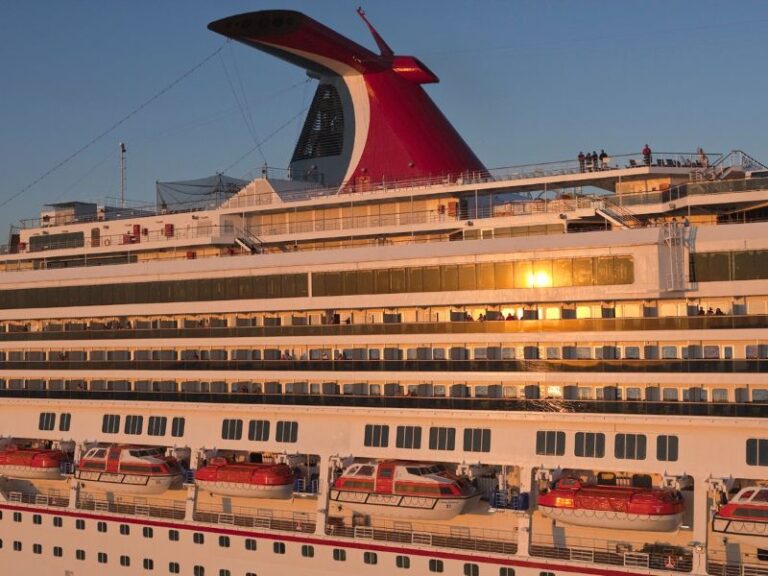
Carnival Conquest entered service in December 2002 as one of the cruise line’s popular Conquest-class vessels.
The 110,000-gross-tonne ship accommodates 2,980 passengers at double occupancy, with capacity expanding to nearly 3,700 guests when all berths are occupied.
The vessel spans 952 feet in length and features 13 passenger decks offering an array of dining venues, entertainment options, and recreational facilities.
Conquest-class ships are known for their spacious layouts, multiple pools, and the signature RedFrog Pub that has become a Carnival staple.
Currently based in Miami, Carnival Conquest primarily operates Caribbean itineraries ranging from week-long getaways to extended 14-day voyages exploring the Eastern and Southern Caribbean islands.
The ship underwent significant refurbishment as part of Carnival’s fleet-wide enhancement programme, receiving updated staterooms, new dining concepts, and refreshed public spaces.
Maritime Rescue Operations Increasingly Common For Cruise Ships
Cruise ships regularly participate in maritime rescue operations throughout the world’s oceans, with several high-profile incidents occurring annually.
The frequency of such rescues has increased as cruise traffic has expanded and more recreational sailors venture into busy shipping lanes.
In recent years, cruise vessels have rescued migrants attempting dangerous sea crossings, assisted disabled yachts during ocean races, and provided emergency medical evacuations for smaller vessels lacking advanced medical facilities.
The sophisticated communication systems aboard modern cruise ships mean they are often amongst the first to receive distress signals in many regions.
These rescue operations, whilst disruptive to cruise schedules, are viewed positively by passengers who appreciate witnessing maritime humanitarian efforts firsthand.
Many guests report that being aboard during a rescue creates a memorable and meaningful experience that underscores the long-standing traditions of seafaring assistance.
The maritime community relies on this mutual aid system, recognising that any vessel could require assistance at some point.
Cruise lines maintain extensive training programmes to ensure their officers and crew can execute rescues safely and efficiently whilst minimising impact to paying passengers.
NEW DEALS JUST RELEASED!
See the latest Carnival cruise offers…