A powerful nor’easter battering the eastern seaboard has forced multiple cruise lines to substantially modify itineraries across Canadian Atlantic and northeastern US homeports. Norwegian Cruise Line, Carnival Cruise Line, and Royal Caribbean International have all confirmed significant changes to sailings departing from New York, Baltimore, and other regional ports as the massive storm system threatens passenger safety and comfort.
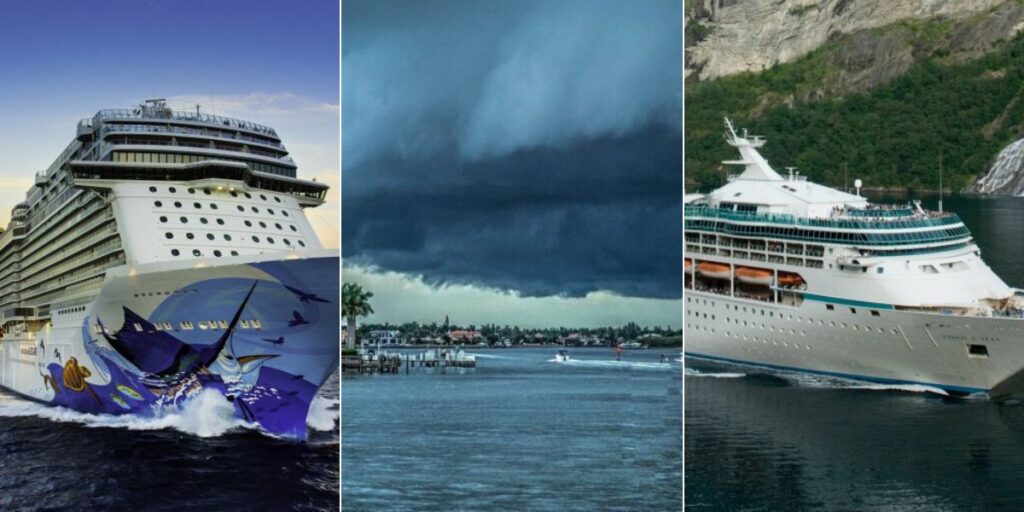
Norwegian Escape Cuts Halifax Visit Short Ahead Of Storm
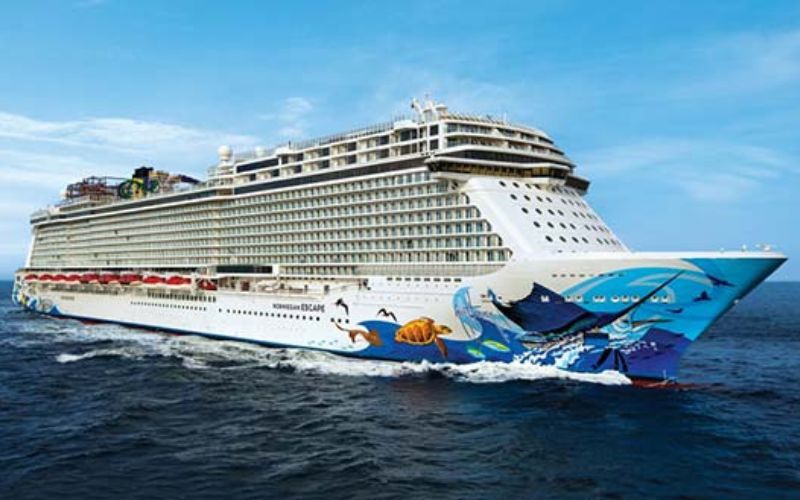
Norwegian Escape, carrying up to 4,266 guests on a seven-night Canada and New England voyage, became one of the first vessels to implement weather-related changes. The ship departed New York on Saturday, 19th September 2026, well ahead of the storm’s arrival, but faced challenging conditions as the nor’easter developed during the latter portion of the itinerary.
The vessel’s scheduled call at Halifax, Nova Scotia on Thursday, 24th September was significantly truncated. Originally planned for a full day visit from 9:00am to 10:00pm, the port stop was cut short by several hours to allow the ship to outrun the worst weather conditions on the return journey to New York.
Guests received notification letters on Thursday morning explaining the operational necessity. “Due to forecasted weather conditions associated with a developing nor’easter expected to impact the northeastern United States and Canadian Atlantic coast, Norwegian Escape will depart Halifax earlier than originally scheduled today,” the communication stated.
Early Arrival Strategy Minimises Passenger Disruption
The cruise line’s proactive approach meant Norwegian Escape arrived in New York late Friday evening, nearly twelve hours ahead of the originally scheduled 7:00am Saturday morning docking. “Based on the latest forecasts and to allow the ship to safely navigate the region ahead of the storm’s expected strongest conditions, this adjustment is necessary to support our planned arrival into New York City,” the notification continued.
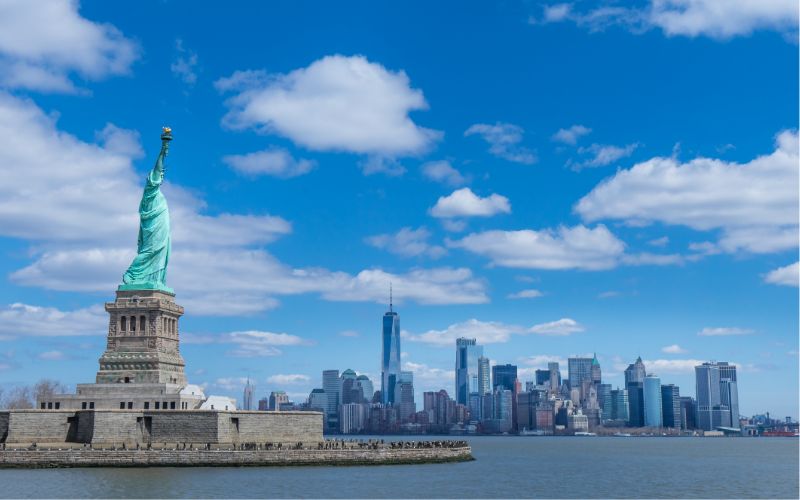
Despite the early arrival, disembarkation proceeded as originally planned on Saturday morning. The ship remained secured at the Manhattan cruise terminal overnight, providing shelter from the deteriorating weather conditions ashore.
Friday had been designated as a leisurely sea day for the return voyage to New York. With the accelerated sailing schedule, passengers still experienced a full day aboard, though the late Friday evening arrival offered an unexpected bonus – spectacular views of the New York City skyline illuminated against the night sky as the vessel navigated into port during darkness rather than the typical early morning arrival.
Carnival Venezia Faces Delays In Both Directions
Carnival Venezia encountered complications on both ends of a Bermuda sailing, illustrating the cascading effects weather disruptions can create across multiple voyages. The 4,090-passenger vessel departed New York on Sunday, 20th September for what was scheduled as a four-night Bermuda getaway.
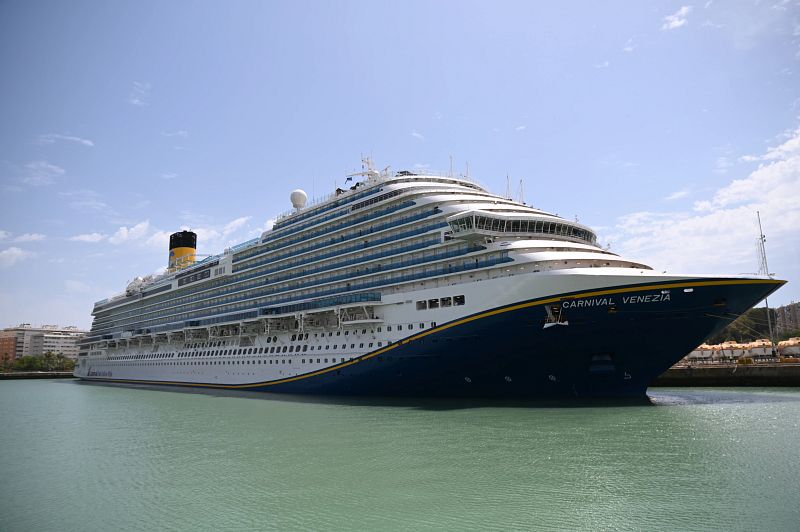
However, just one day into the cruise, passengers received notification that their time in the mid-Atlantic island territory would be reduced and the return routing to New York would be altered to navigate around the most severe weather conditions. The ship’s master opted to reduce speed on the return journey to improve vessel stability and passenger comfort in deteriorating seas.
John Heald, Carnival Cruise Line’s brand ambassador and senior cruise director, acknowledged the situation in a Facebook post on Thursday morning, 24th September. “I must say thank you to the guests on board now who have a delayed debarkation in New York this morning because the Captain slowed the ship to make it more comfortable for them in the bad weather,” Heald explained, praising passengers for their patience and understanding.
Cascading Effects Impact Subsequent Sailing
The delayed return to New York created a domino effect for Carnival Venezia’s next scheduled departure. Embarkation for the vessel’s subsequent five-night Bermuda cruise, originally planned to depart on Thursday, 24th September, was pushed back as the ship remained at sea longer than scheduled.
This next sailing had promised guests an overnight stay in Bermuda, a particularly attractive feature that allows passengers to experience the island’s nightlife and dining scene. However, the rerouting necessitated by the nor’easter fundamentally altered that experience.
Rather than arriving at 9:00am on Saturday, 26th September as originally advertised, the modified itinerary now shows Carnival Venezia reaching Bermuda at 9:00am on Sunday, 27th September – a full 24-hour delay. This compression of the schedule likely eliminated or significantly reduced the overnight component that had been a selling point for the cruise.
Vision Of The Seas Completely Replaces Canada Itinerary
Royal Caribbean International took the most dramatic action of any cruise line affected by the storm system. Vision of the Seas, a 2,050-guest vessel operating from Baltimore, completely abandoned her scheduled Canada and New England itinerary in favour of a southern routing to warmer waters.
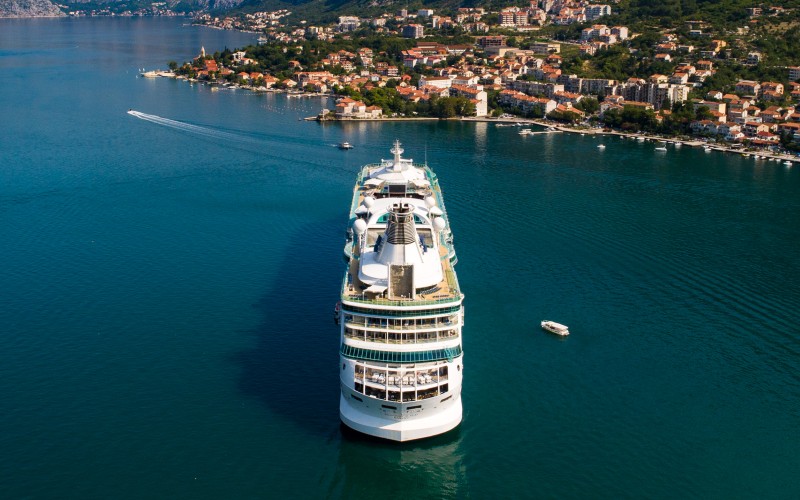
The ship had been scheduled to depart Baltimore on Thursday, 24th September for a nine-night voyage exploring the northeastern seaboard and Canadian maritime provinces. Instead, Royal Caribbean made the decision to keep the vessel docked overnight Thursday, delaying departure until 3:00pm Friday, 25th September.
Rather than heading north into the path of the nor’easter, Vision of the Seas turned south toward Florida and the Bahamas. The replacement itinerary features port calls at Port Canaveral on Florida’s Space Coast, Nassau in the Bahamas, and Grand Bahama Island before returning to Baltimore on Saturday, 3rd October as originally scheduled.
Embarkation Complications Create Additional Challenges
The delayed departure created logistical complications for passengers preparing to board Vision of the Seas. The Baltimore cruise terminal did not open for embarkation until 4:30pm on Thursday, several hours later than typical for a ship scheduled to sail the following afternoon.
Once passengers had completed check-in procedures and boarded the vessel, they faced an unexpected restriction. Despite the ship remaining docked overnight in Baltimore, guests were not permitted to disembark and explore the city’s Inner Harbour area or nearby attractions.
“Going ashore will not be permissible per the CBP [US Customs and Border Protection],” Royal Caribbean explained in email notifications to booked passengers. This restriction stems from customs and immigration protocols that treat cruise ships as international voyages once passengers have formally embarked, even when vessels remain in their homeport.
Additional Vessels Monitoring Developing Situation
Beyond the three ships that have confirmed substantial itinerary modifications, numerous other vessels operating in the northeastern corridor were monitoring the nor’easter’s progression and evaluating potential operational changes. The cruise industry’s emphasis on passenger safety means captains maintain authority to alter plans even at the last moment if conditions warrant.
In New York, Crystal Symphony was scheduled to arrive on Friday, 25th September, whilst Cunard Line’s flagship Queen Mary 2 was expected on Saturday, 26th September. Virgin Voyages’ Valiant Lady had a Sunday, 27th September call planned. All three vessels faced potential disruption depending on the storm’s intensity and track.
Across New York Harbour at Cape Liberty Cruise Port in Bayonne, New Jersey, Royal Caribbean’s Independence of the Seas was scheduled for Saturday arrival, with sister ship Oasis of the Seas – one of the world’s largest cruise vessels – expected on Sunday. The exposure of Cape Liberty to open water conditions can make docking operations challenging in high winds and heavy seas.
Regional Ports Face Widespread Impact
Baltimore’s cruise operations faced continued uncertainty with Carnival Pride scheduled to arrive on Sunday, 27th September. The city’s cruise terminal location in the Patapsco River provides some natural protection from ocean swells, but high winds can still complicate safe docking procedures.
Boston’s cruise operations were similarly threatened, with Silversea Cruises’ Silver Wind expected on Saturday and Norwegian Breakaway scheduled for Sunday, 27th September. Boston’s location on Massachusetts Bay leaves the port somewhat exposed to northeastern storm systems, though the harbour configuration provides reasonable shelter for vessels already docked.
Celebrity Cruises’ Celebrity Silhouette faced potential complications with a Sunday arrival planned for Portland, Maine. As one of the more northerly ports regularly serving large cruise vessels along the eastern seaboard, Portland can experience particularly severe conditions during nor’easter events.
Norwegian Jewel’s scheduled Saturday arrival in Philadelphia added another potential variable to the situation. Whilst Philadelphia sits further south than other affected ports, nor’easters can extend their influence across surprisingly large geographic areas depending on their size and track.
Passenger Communication Remains Critical
Cruise lines emphasised the importance of passengers remaining in close contact with their respective operators for real-time updates as the weather situation evolved. Modern cruise operations maintain sophisticated meteorological monitoring capabilities, tracking storm systems days in advance and modelling multiple contingency scenarios.
The industry’s approach to weather disruptions has evolved considerably over recent decades. Whilst itinerary changes inevitably disappoint passengers who have anticipated specific port experiences, cruise lines prioritise comfort and safety above adherence to published schedules.
Captains retain ultimate authority over routing decisions, working in consultation with shoreside operations teams and meteorological experts. Most major cruise lines maintain policies providing compensation or future cruise credits when significant itinerary changes occur, though the specific terms vary by operator and circumstance.
Weather-related modifications typically fall into a category of unavoidable disruptions where compensation is discretionary rather than mandatory, unlike mechanical issues or other operational failures directly within the cruise line’s control.
The September 2026 nor’easter serves as a reminder that despite sophisticated forecasting technology and careful itinerary planning, maritime operations remain subject to nature’s unpredictability. For cruise passengers sailing in regions known for seasonal weather challenges, flexibility and realistic expectations remain essential components of the experience.
TODAY’S BEST CRUISE DEALS!
Don’t miss these offers…