Carnival Cruise Line’s Brand Ambassador John Heald has revealed that cruise lines are finding it increasingly challenging to name new ships. He explained why the company opted to revive the legacy name Destiny for its upcoming vessel.
The decision reflects a broader industry trend as cruise companies grapple with limited naming options in an increasingly crowded marketplace.
In a recent video update shared with followers, Heald addressed the complexities surrounding ship nomenclature in today’s cruise industry. He emphasised that his comments represented his personal views on the matter rather than official company policy.
The cruise veteran explained that the landscape has changed dramatically from previous decades. “It’s not like 20 or 30 years ago when there were only two or three big cruise lines and, even then, people started taking other brands’ names,” Heald noted in his update.
The modern cruise industry has expanded significantly, with numerous brands operating under major corporate umbrellas alongside independent operators. This proliferation of cruise lines has created a naming challenge that didn’t exist when the sector was smaller and less competitive.
Brand Identity Remains Central To Vessel Nomenclature Strategy
Heald stressed that ship names must accurately reflect each cruise line’s distinct brand identity and product offering. This requirement adds another layer of complexity to the naming process, as companies seek monikers that resonate with their target audiences whilst remaining distinctive in the marketplace.
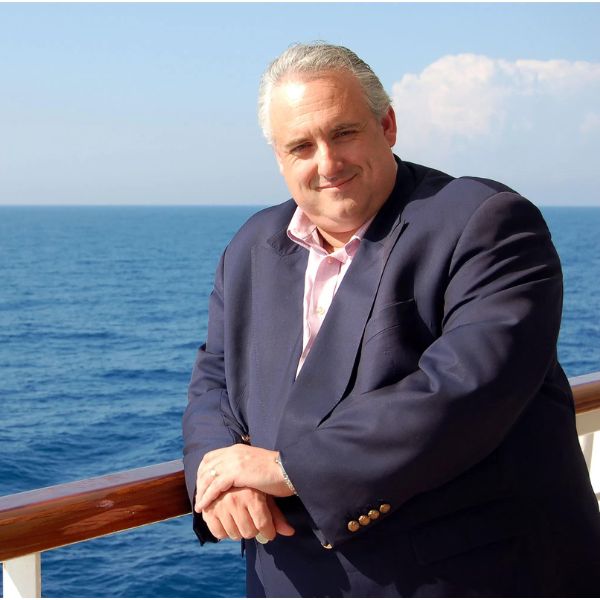
The naming challenge varies considerably between different cruise operators, according to Heald’s assessment. He pointed out that certain companies enjoy more flexibility in their choices due to their unique brand positioning.
Lines such as Cunard, Holland America and Disney have opportunities for more distinctive naming conventions, Heald observed. These brands can draw upon rich historical traditions, geographical themes or entertainment properties that provide deeper pools of potential names.
Long-Term Vision Drives Contemporary Naming Decisions
Cruise lines must adopt a forward-thinking approach when selecting vessel names. They need to consider not merely current trends but also long-term brand evolution.
“Cruise lines have to think very long and hard about a name that will be not just for now but also for the future,” Heald explained.
This strategic consideration becomes particularly important given the operational lifespan of modern cruise ships. Contemporary vessels typically remain in service for 30 years or more. This means names must retain relevance and appeal across multiple decades of changing consumer preferences and market conditions.
The pressure to choose wisely has led many cruise lines to revisit their heritage rather than risk introducing names that might feel dated or inappropriate in future years. This conservative approach offers the security of proven brand equity whilst honouring company history.
Carnival Destiny Name Carries Significant Historical Weight
The decision to name Carnival’s forthcoming flagship Destiny represents more than simple nostalgia, according to Heald. “That’s why ‘Destiny’ is perfect because, just as we have Mardi Gras, Celebration, Jubilee, Festivale and Tropicale, these are legacy names that deserve to live on,” he stated.
Carnival has successfully revived several historic names in recent years, demonstrating the strategy’s effectiveness. The current Mardi Gras, which entered service in 2021, paid homage to Carnival’s very first ship from 1972, creating an emotional connection spanning five decades.
Similarly, Carnival Celebration honoured the line’s 1987 vessel of the same name when it debuted in 2022. The recently delivered Carnival Jubilee likewise commemorated the original ship that sailed for Carnival from 1986.
These legacy names carry deep significance within the Carnival brand. They represent pivotal moments in the company’s evolution from a single-ship operation to the world’s largest cruise line. They evoke memories for past passengers whilst introducing new generations to the company’s storied heritage.
Personal Connection Influences Ambassador’s Perspective On Naming
Heald revealed that the Destiny name holds particular personal significance for him beyond its corporate importance. The brand ambassador disclosed that he served as a crew member aboard the original Carnival Destiny when the vessel was delivered by Fincantieri shipyard in 1996.
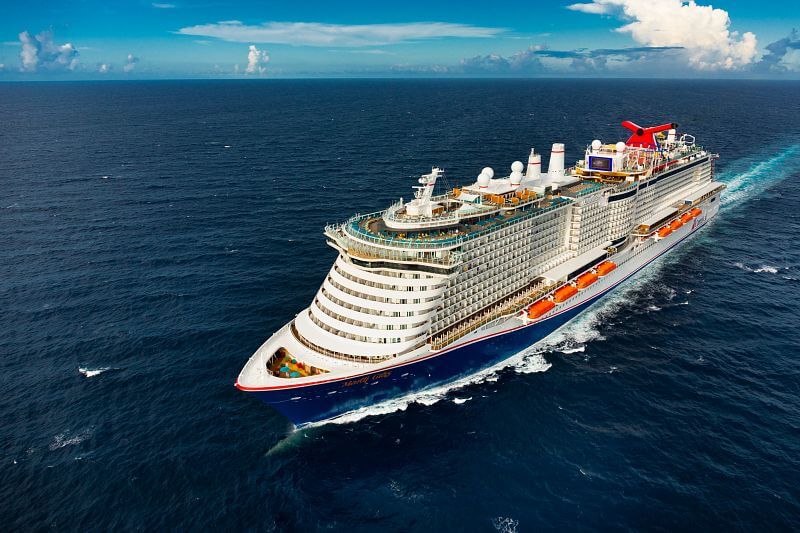
The original Carnival Destiny represented a watershed moment in cruise industry history when it debuted nearly three decades ago. At the time of its introduction, the 101,353-ton vessel claimed the title of the world’s largest cruise ship, a designation that captured global attention and helped propel cruising into mainstream travel consciousness.
That groundbreaking vessel underwent a transformation in 2020 when it was renamed Carnival Sunshine following an extensive refurbishment. The ship continues to sail for Carnival today, serving various itineraries across the fleet’s deployment pattern.
“These are names that mean so much to the past as they will in the future,” Heald reflected. He highlighted the emotional resonance that legacy names create among crew members, past passengers and cruise enthusiasts. His personal history with the original Destiny adds authenticity to the naming decision.
New Destiny Will Debut As Carnival’s Largest Ever Vessel
The forthcoming Carnival Destiny is currently under construction at the Fincantieri shipyard in Italy. This is the same facility that built its namesake predecessor.
The new vessel is scheduled to enter service ahead of the 2029 summer season, representing the next evolution in Carnival’s ship design.
Measuring 230,000 gross tonnes, the new Destiny will claim the distinction of being the largest cruise ship ever built for Carnival Cruise Line. This substantial size increase reflects the industry’s ongoing trend towards larger vessels offering expanded amenities and passenger capacity.
The vessel will serve as the inaugural ship in Carnival’s new Ace Class series, establishing the template for future vessels in this innovative ship category. The Ace Class represents Carnival’s response to evolving passenger preferences and competitive pressures in the contemporary cruise marketplace.
Carnival has ordered multiple ships in the Ace Class series from Fincantieri, with deliveries planned throughout the late 2020s and early 2030s. These vessels will gradually replace older tonnage whilst expanding the line’s overall capacity.
Additional Details Expected In November Announcement
Heald indicated that cruise enthusiasts won’t have to wait much longer for more information about the revolutionary new vessel. “The ship will be truly incomparable; I can’t wait to share more news about that,” he stated.
This builds anticipation amongst Carnival’s loyal passenger base. Further details about the new Destiny are expected to be announced in November, according to Heald’s timeline.
These revelations will likely include specifics about onboard amenities, dining venues, entertainment options and innovative features that will distinguish the Ace Class from previous Carnival ships.
The November announcement timing suggests Carnival plans a comprehensive information release rather than gradual details. This approach allows the company to generate significant media coverage and passenger excitement in a concentrated period.
Industry observers anticipate that the new Destiny will incorporate lessons learned from recent Carnival vessels whilst introducing entirely new concepts to the brand. The ship’s size provides opportunities for amenities previously impossible on smaller vessels.
Broader Industry Implications Of Legacy Name Revival
The trend towards reviving historic ship names extends well beyond Carnival, reflecting broader industry dynamics. Royal Caribbean International recently announced plans to name a future Icon Class vessel Discovery of the Seas, echoing earlier ships in their fleet history.
Norwegian Cruise Line has similarly looked to its past, with Norwegian Viva and Norwegian Prima incorporating elements of previous naming conventions.
Even luxury lines have embraced this approach, with Cunard maintaining its traditional naming pattern across Queen Elizabeth, Queen Mary 2 and Queen Victoria.
This naming strategy offers multiple advantages beyond simple nostalgia. Legacy names provide instant brand recognition, particularly among experienced cruisers who remember the original vessels.
They also simplify marketing efforts by leveraging existing brand equity rather than building awareness from scratch. The practice additionally allows cruise lines to honour their heritage whilst maintaining consistency across their fleets.
As the industry matures and company histories extend across multiple decades, this connection to the past becomes increasingly valuable in differentiating brands within a competitive marketplace.
NEW DEALS JUST RELEASED!
See the latest Carnival cruise offers…