Passengers booked on MSC Opera received shocking last-minute text message notifications on 28th October informing them their Mediterranean cruise had been cancelled due to technical reasons, just one day before scheduled embarkation.
The cruise line has offered full refunds and expense reimbursements to affected guests, though confusion persists as some passengers report their sailing was merely relocated rather than cancelled entirely.
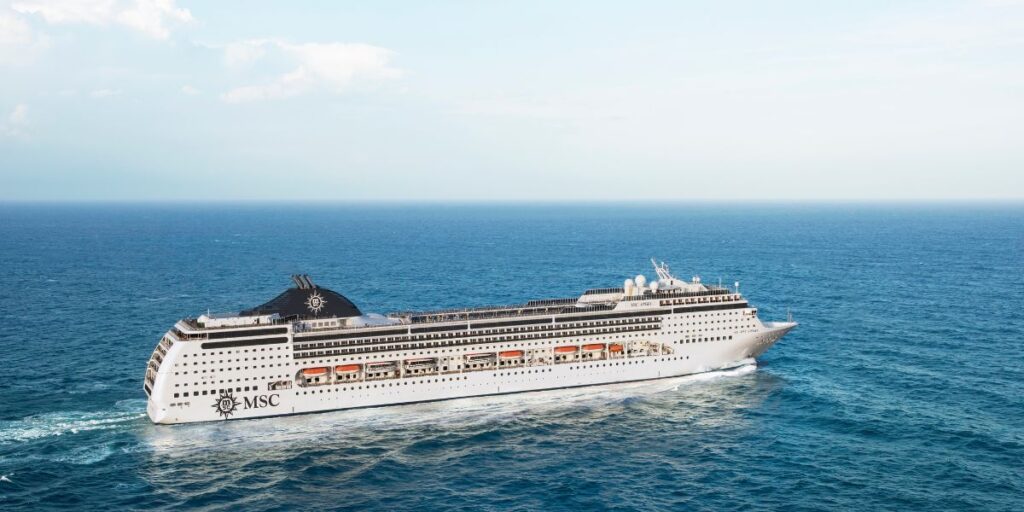
The 2,658-passenger MSC Opera was originally scheduled to depart from Civitavecchia, Italy, on 29th October 2026, offering a variety of Mediterranean itineraries ranging from short regional cruises to longer transatlantic voyages.
Additional embarkation opportunities had been available at ports including Genoa and Livorno, catering to passengers joining the vessel at different points along its route.
The text message sent to booked guests was brief but apologetic in tone. “We are very sorry to inform you that, due to technical reasons, we had to cancel your cruise,” the notification read, offering little detail about the specific nature of the problems plaguing the vessel.
Dry Dock In Malta Raises Questions About Underlying Problems
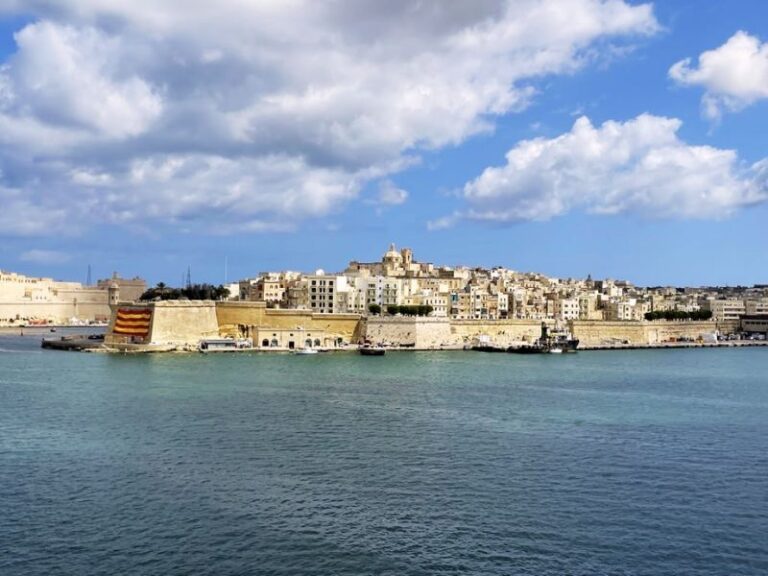
MSC Opera has been undergoing scheduled maintenance at a dry dock facility in Valletta, Malta, since earlier in October 2026.
At the time the cancellation notices were sent, cruise ship tracking data indicated the vessel remained docked at the Maltese port, raising questions about whether repair work had encountered unexpected complications.
Dry dock periods are routine occurrences in the cruise industry, typically scheduled well in advance to allow ships to undergo mandatory inspections, mechanical repairs, and cosmetic refurbishments.
However, unforeseen issues can arise during these maintenance periods, particularly with older vessels, that may extend the time required in dry dock or necessitate more extensive repairs than originally planned.
MSC Opera, which first entered service in 2004, is one of the older ships in the MSC Cruises fleet. The 65,591-gross-ton vessel has a long history of Mediterranean and seasonal deployment, making it a familiar sight in Italian ports.
Despite its age, the ship has remained popular with European cruisers who appreciate its more intimate size compared to modern mega-ships.
Passengers Initially Suspect Phishing Scam
The abrupt nature of the text message notifications initially prompted scepticism from some recipients, with passengers questioning whether the communications might be part of an elaborate phishing scheme.
Cruise-related phishing scams have become increasingly sophisticated in recent years, with fraudsters mimicking legitimate cruise line communications to extract personal information or payment details from unsuspecting travellers.
However, passengers who contacted MSC Cruises directly were able to confirm that the cancellation notices were genuine.
The cruise line’s customer service representatives verified the technical issues and began processing refunds and rebooking options for affected guests.
The confusion underscores the challenges cruise lines face in communicating urgent operational changes to passengers whilst maintaining security protocols.
In an era where digital fraud is rampant, even legitimate last-minute notifications can be met with suspicion, particularly when they arrive via text message rather than through more traditional communication channels.
MSC Promises Full Refunds And Expense Reimbursement
In its official notice to passengers, MSC Cruises pledged to provide full refunds for the cancelled cruise, ensuring that guests would not be financially penalised for the operational disruption.
Beyond the cruise fare itself, the cruise line also committed to reimbursing passengers for travel and accommodation expenses incurred as a result of the cancellation.
This promise of comprehensive reimbursement is particularly significant for passengers who had already travelled to Italy in anticipation of their cruise.
Many guests had likely booked flights, hotels, and ground transportation to reach the embarkation port, expenses that can quickly accumulate, especially for international travellers or those who had planned pre-cruise hotel stays.
The financial impact of such last-minute cancellations extends beyond the immediate costs.
Passengers who had taken time off work, arranged childcare, or made other personal arrangements face disruptions that cannot be easily quantified or compensated.
For some travellers, rescheduling a cruise holiday may not be feasible for months or even years, depending on their personal circumstances.
Some Guests Receive Alternative Embarkation Instructions
Adding to the confusion surrounding the cancellation, not all booked passengers received identical notifications.
Several guests reported on social media that their cruises had not been cancelled outright but rather that embarkation had been relocated to Livorno, with a revised departure date of 31st October.
“I got a message that it was postponed until October 31 and leaving from Livorno,” one passenger shared in a Facebook discussion about the situation.
Another guest, who had already travelled to Genoa, noted that their email indicated embarkation would proceed from Livorno as rescheduled.
“My email says my embarkation is Livorno and to report to terminal as normal Oct 30 and get a free hotel and bus to Livorno on Oct 31 with obc [onboard credit],” the passenger explained.
Livorno was already scheduled as a port of call for MSC Opera on 31st October, suggesting that the ship might be able to commence operations from that location even if it could not meet its original Civitavecchia departure date.
The discrepancy in notifications suggests that MSC Cruises may be handling bookings differently depending on the length of individual itineraries or the specific embarkation ports passengers had originally selected.
Port Schedules And Website Updates Create Additional Confusion
As of the time the cancellation notices were sent, the Port of Civitavecchia had not updated its published schedule to reflect the cancelled departure, further contributing to passenger uncertainty.
The port’s failure to immediately update its information may have left some travellers unaware of the operational changes, particularly those who were monitoring port schedules rather than checking directly with the cruise line.
Meanwhile, the 29th October departures were quietly removed from MSC Cruises’ official website, confirming the cancellation for prospective passengers attempting to book last-minute cruises.
However, the lack of a prominent public announcement or press release from MSC Cruises meant that information about the cancellation spread primarily through passenger communications and social media rather than through official channels.
This piecemeal approach to communication highlights the challenges cruise lines face when dealing with rapidly developing operational issues.
Whilst companies must prioritise notifying booked passengers, the absence of broader public disclosure can create confusion and raise questions about transparency, particularly when passengers turn to social media to share their experiences and seek clarification.
Pattern Of Technical Cancellations Raises Industry Questions
Whilst MSC Cruises has not specified the exact nature of the technical problems that led to the MSC Opera cancellation, the incident is not unprecedented in the company’s recent history.
The cruise line has experienced similar last-minute cancellations due to technical issues with other vessels in its fleet, raising questions about maintenance protocols and the challenges of operating an expanding fleet of ships of varying ages.
The cruise industry as a whole has faced increasing scrutiny over technical reliability, particularly as ships age and as cruise lines accelerate fleet expansion to meet growing demand.
Mechanical failures, propulsion problems, and other technical issues can strike any vessel regardless of age or size, but older ships may require more intensive maintenance to remain operational.
For passengers, technical cancellations represent one of the most frustrating aspects of cruise travel.
Unlike weather-related disruptions, which are generally understood to be beyond anyone’s control, mechanical problems can raise questions about whether adequate maintenance and inspection procedures were followed.
The timing of this cancellation – during a scheduled dry dock period – suggests that repair work may have uncovered more serious issues than initially anticipated, or that work is progressing more slowly than planned.
Implications For Future Mediterranean Cruise Operations
The MSC Opera cancellation carries broader implications for the Mediterranean cruise season, which traditionally extends into late autumn as cruise lines take advantage of mild weather and lower tourist volumes in popular destinations.
Operational disruptions during this period can have cascading effects, potentially impacting future sailings if technical repairs require more time than originally allocated.
For MSC Cruises, maintaining operational reliability is crucial to sustaining its reputation in the highly competitive Mediterranean market, where the company competes against established rivals including Costa Cruises, Royal Caribbean International, and Norwegian Cruise Line.
The Mediterranean remains one of the world’s most popular cruise destinations, attracting millions of passengers annually who seek to explore the region’s rich history, diverse cultures, and stunning coastal landscapes.
The handling of this cancellation will likely influence passenger perceptions of MSC Cruises’ customer service and operational competence.
Whilst technical problems can affect any cruise line, the manner in which companies respond to such crises – through clear communication, generous compensation, and efficient rebooking options – often determines whether affected passengers will consider sailing with the company again in the future.
NEW DEALS JUST RELEASED!
Don’t miss the latest MSC Cruises offers…