A 32-year-old male crew member was medically evacuated from Royal Caribbean International’s Allure of the Seas on Thursday, 24th September 2026, following severe abdominal pain that required urgent hospital care. The US Coast Guard helicopter rendezvous occurred approximately 58 miles northwest of Puerto Rico, roughly five hours after the vessel had departed San Juan.
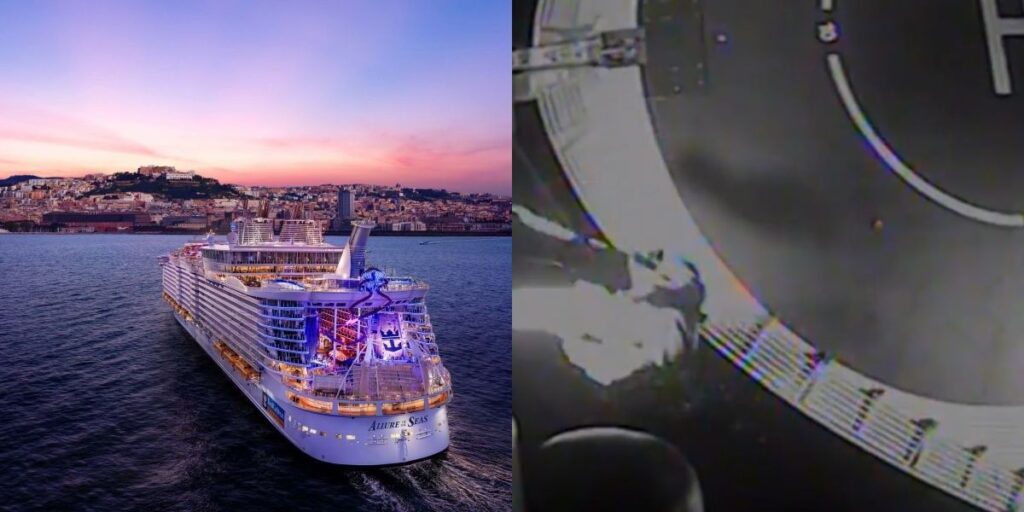
The medical emergency unfolded at approximately 8 p.m. local time when US Coast Guard Sector San Juan watchstanders received an urgent evacuation request from the 225,282-gross ton vessel. The crew member was experiencing severe, chronic abdominal pain that exceeded the capabilities of the ship’s onboard medical facility.
Royal Caribbean’s Oasis-class vessels, including Allure of the Seas, are equipped with comprehensive medical centres staffed by qualified doctors and nurses. These facilities can handle a wide range of medical situations, from minor injuries to stabilising more serious conditions.
However, certain cases require specialised diagnostic equipment or surgical intervention that can only be provided at shore-based hospitals. The decision to request a medical evacuation is never taken lightly, as it involves significant coordination between ship officers, the ship’s medical team, and shore-based emergency services.
In this instance, the severity and nature of the crew member’s symptoms warranted immediate evacuation to ensure he received appropriate specialist care.
Vessel Alters Course To Expedite Rescue Operation
When the evacuation call was placed, Allure of the Seas was positioned roughly 75 miles northwest of Aguadilla, Puerto Rico – approximately 120 miles west-northwest of San Juan. Rather than maintain her scheduled course, the ship’s command made the decision to turn back toward Puerto Rico, a tactical move designed to reduce the time required for the Coast Guard helicopter to reach the vessel and return the patient to medical facilities.
This type of course alteration is standard procedure during medical emergencies at sea. By reducing the distance the rescue helicopter must travel, the ship helps conserve fuel, reduces flight time in potentially challenging conditions, and most importantly, decreases the time before the patient can receive definitive medical care.
The coordination between the ship’s bridge team and Coast Guard personnel ensured the rendezvous point was calculated for optimal safety and efficiency. Maritime regulations require cruise ships to maintain certain speeds and headings to provide stable conditions for helicopter operations, particularly during precision hoist procedures.
Coast Guard Helicopter Executes Precision Hoist
An MH-60 Jayhawk helicopter from Air Station Borinquen was dispatched to conduct the evacuation. The rendezvous between the aircraft and Allure of the Seas ultimately occurred approximately 58 miles northwest of Puerto Rico, a location that balanced the need for rapid response with safe operating conditions.
The MH-60 Jayhawk is the Coast Guard’s medium-range recovery helicopter, specifically designed for search and rescue missions. These aircraft are equipped with advanced navigation systems, night-vision capabilities, and specialized rescue equipment including rescue hoists capable of lifting individuals from vessels in challenging sea conditions.
Video footage released by the US Coast Guard documented the meticulous operation, showing rescue swimmers and flight crew working in coordinated precision to safely transfer the crew member from the ship’s deck to the helicopter.
The hoist operation requires exceptional skill, as the helicopter must maintain a stable hover whilst accounting for the ship’s movement, wind conditions, and the safe positioning of the rescue equipment. Such operations demonstrate the intensive training Coast Guard aviation crews undergo.
Rescue swimmers, pilots, flight mechanics, and rescue coordinators must work in seamless synchronization, often in darkness and adverse weather, to execute these life-saving missions.
Patient Transported To Shore-Based Medical Facility
Following the successful hoist operation, the crew member was flown directly to Air Station Borinquen, where emergency medical personnel were standing by. The patient was then transferred to Buen Samaritano Hospital in Aguadilla, located approximately six miles from the air station.

This rapid transfer protocol is crucial in medical emergencies where time-sensitive care can significantly impact patient outcomes. Abdominal pain can indicate a range of conditions, some of which may require emergency surgical intervention or advanced diagnostic imaging not available aboard cruise ships.
The Coast Guard’s coordination with local hospital emergency departments ensures that receiving facilities are prepared for incoming patients, with appropriate specialist staff and resources mobilized before the patient arrives. This seamless handoff between maritime rescue and land-based emergency medicine exemplifies the multi-agency cooperation that saves lives.
No updates regarding the crew member’s specific condition or diagnosis have been released, which is standard practice to protect individual privacy under medical confidentiality regulations.
Interagency Collaboration Praised By Mission Coordinator
Commander Zachery Geyer, the Coast Guard Sector San Juan search and rescue mission coordinator for the case, highlighted the importance of partnership and communication in the mission’s success. “This successful mission highlights the vital importance of our interagency partnerships and the close collaboration we maintain with commercial vessel medical teams,” he stated.
Commander Geyer further emphasized the coordination required: “The rapid communication between our watchstanders, Air Station Miami’s flight surgeon, our tactical aircrew and the cruise ship’s officers and crew ensured we could meet a tight time-to-care window and safely deliver this patient to a hospital to receive the higher level of care he needed.”
The involvement of Air Station Miami’s flight surgeon in the coordination demonstrates the medical expertise that guides these operations. Flight surgeons provide crucial consultation on the urgency of medical conditions, appropriate stabilization measures, and the safest methods for patient transfer given the specific circumstances.
This type of collaboration extends beyond just the Coast Guard and cruise lines. It involves maritime communications centres, air traffic control, hospital emergency departments, and sometimes multiple Coast Guard stations depending on the location and nature of the emergency.
Cruise Continues Without Reported Schedule Disruption
Allure of the Seas had embarked on her eight-night sailing from Fort Lauderdale on Saturday, 19th September 2026, with San Juan as a scheduled port of call. Following the medical evacuation, the vessel resumed her itinerary without reported delays.
AIS tracking data confirmed the ship was proceeding to her next scheduled destination, Perfect Day at CocoCay – Royal Caribbean’s private island in the Bahamas – with an expected arrival on Saturday, 26th September.
This demonstrates the efficiency of modern maritime medical evacuations, which are designed to minimize disruption to thousands of passengers whilst ensuring critical care for those in need.
Allure of the Seas typically carries approximately 2,100 crew members who serve the vessel’s capacity of over 6,000 passengers. These crew members come from dozens of nations and work in departments ranging from hospitality and entertainment to technical operations and navigation.
When one of their colleagues faces a medical emergency, it affects the entire shipboard community, making the successful outcome of such rescues particularly meaningful.
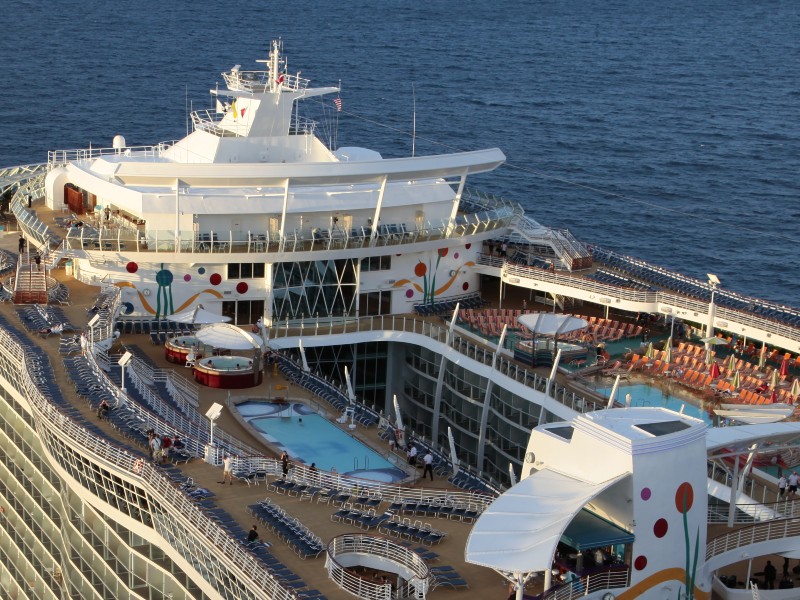
The ship herself is one of Royal Caribbean’s Oasis-class vessels, a groundbreaking design that revolutionized cruise ship architecture when introduced. At 225,282 gross tons, these vessels remain among the largest passenger ships afloat.
Growing Frequency Of Medical Evacuations Highlights Rescue Capabilities
Medical evacuations from cruise ships, whilst representing a small fraction of overall passenger and crew medical issues handled at sea, have become more visible in recent months. Just ten days prior to this incident, on Monday, 14th September 2026, a passenger was airlifted from Royal Caribbean’s Serenade of the Seas approximately 480 miles northwest of Vancouver.
That particular rescue was notably the third medical evacuation the same Coast Guard emergency team had conducted from cruise ships in a single week, underscoring both the frequency of such events and the readiness of rescue services to respond.
The increasing number of reported evacuations reflects several factors. The cruise industry has experienced significant growth in recent years, with more ships carrying more passengers and crew than ever before.
Additionally, modern cruise vessels sail to increasingly remote destinations, sometimes positioning themselves far from immediate shore-based medical care. Improved communication technology and coordination protocols have also made medical evacuations safer and more feasible than in previous decades.
Ships can now communicate instantly with shore-based medical consultants and emergency services, enabling better decision-making about when evacuation is necessary and how to execute it safely.
Specialized Training Required For Maritime Rescue Operations
Conducting medical evacuations at sea demands highly specialized training and capabilities that differ significantly from land-based emergency response. Coast Guard aviation rescue teams must account for numerous variables including local wind patterns, wave swells, the ship’s course and speed, helicopter access points on the vessel, distance from shore, visibility conditions, and the specific nature of the medical emergency.
Each evacuation presents unique challenges. Weather conditions can change rapidly at sea, potentially grounding aircraft or making hoist operations too dangerous.
The size and configuration of cruise ships also affect rescue procedures – larger vessels like Allure of the Seas provide more stable platforms but may have obstacles such as funnels, masts, and lifeboats that complicate helicopter approaches.
Rescue swimmers undergo months of intensive training to qualify for their positions, including extensive swimming and diving qualifications, emergency medical training, and practice in conducting rescues in various sea states.
Pilots must master the demanding skill of maintaining precise hover positions over moving vessels, often at night or in reduced visibility. The availability and capabilities of rescue assets also vary by region.
Some areas have dedicated Coast Guard or military helicopter bases within range of common shipping lanes, whilst more remote cruising areas may have limited emergency response resources, potentially affecting itinerary planning and risk assessment.
The successful evacuation of the Allure of the Seas crew member demonstrates the effectiveness of current maritime safety systems and the dedication of emergency response professionals who stand ready to assist mariners in distress.
As the cruise industry continues to expand and vessels venture to increasingly diverse destinations, the partnership between cruise lines and emergency services remains vital to ensuring the safety and wellbeing of everyone at sea.
Want the best Royal Caribbean deal?
Get the best price and expert help to plan your cruise