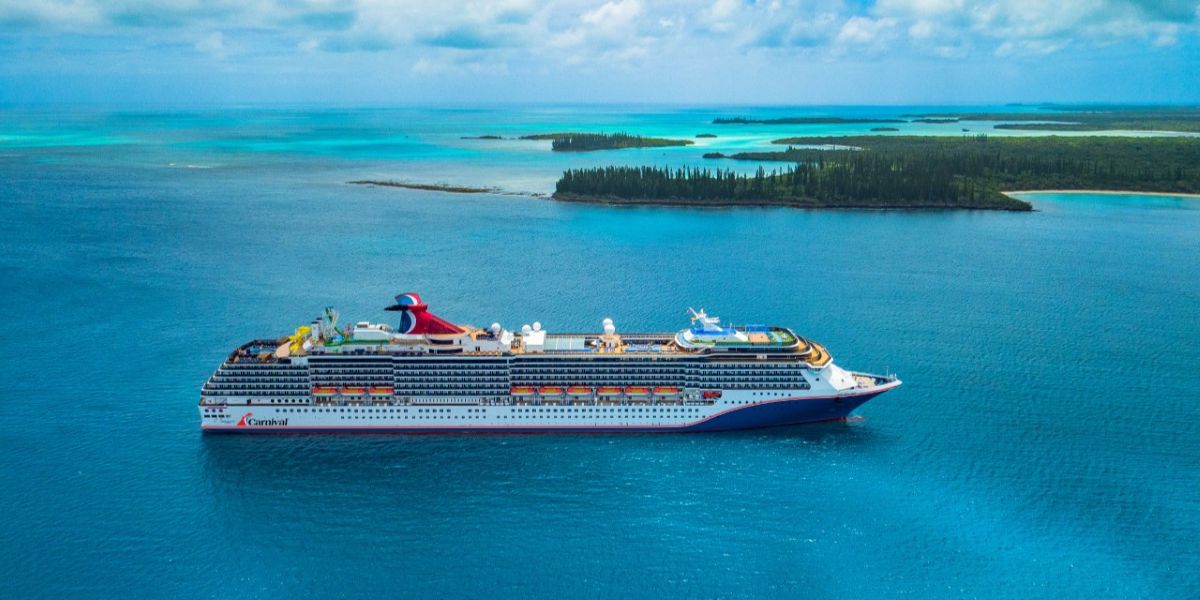
Carnival Cruise Line has suspended priority embarkation and debarkation benefits on two cruises scheduled for 5th September 2026, just days after unveiling its revamped loyalty programme on 1st September.
The cancellation affects Platinum-tier guests sailing aboard Carnival Sunshine from Norfolk and Carnival Vista from Port Canaveral, both on eight-night itineraries. The cruise line cited an unusually high concentration of elite-status passengers aboard each vessel.

The Miami-based cruise line introduced its new Carnival Rewards programme on 1st September 2026, promising enhanced recognition and benefits for its most loyal guests across multiple status tiers.
The programme replaced the previous VIFP (Very Important Fun Person) Club structure and was designed to deliver more meaningful rewards to frequent cruisers who have demonstrated their loyalty over multiple sailings.
However, within days of the launch, Carnival notified passengers booked on the two affected September sailings that specific benefits would be unavailable. The suspension specifically targets priority embarkation and debarkation privileges – perks that allow elite-status guests to board the ship ahead of general passengers and disembark more quickly at the end of the cruise.
Both affected departures are eight-night voyages sailing on 5th September 2026. Carnival Sunshine will depart from Norfolk, Virginia, whilst Carnival Vista is scheduled to sail from Port Canaveral, Florida.
The simultaneous suspension on two ships departing on the same day suggests the issue may be more widespread than initially apparent.
High Concentration Of Platinum Guests Triggers Benefit Withdrawal
Carnival attributed the cancellation of priority boarding benefits to an exceptionally high number of Platinum-level guests booked on both sailings.
When a significant portion of passengers aboard a single sailing hold elite status, the practical implementation of priority benefits becomes challenging and potentially meaningless.
The cruise line’s loyalty programme operates on a tiered system, with guests earning points based on the number of cruise days sailed. Platinum status typically requires a substantial cruise history with Carnival, representing guests who have sailed multiple times and accumulated considerable points within the programme.
These frequent cruisers expect recognition for their loyalty through tangible benefits that distinguish their experience from first-time passengers. When elite-status guests comprise an overwhelming majority of passengers, however, priority embarkation loses its exclusivity.
If hundreds of guests are all entitled to “priority” boarding, the benefit effectively ceases to function as a priority at all. Queue lengths remain substantial, and the promised advantage evaporates in practical terms.
The situation highlights a fundamental challenge facing cruise lines as their loyalty programmes mature. Carnival has been operating for more than five decades, building a substantial base of repeat guests who have achieved high-tier status through years of faithful patronage.
The September sailings appear to represent an extreme case where the concentration of loyal guests exceeded the operational capacity to deliver meaningful differentiated service.
Christine Duffy Acknowledges Difficulty In Making Elite Guests Feel Special

Carnival Cruise Line President Christine Duffy has publicly acknowledged the challenge the company faces in ensuring elite-status guests receive appropriate recognition.
As the number of passengers holding top-tier status continues to grow, the cruise line finds it increasingly difficult to make everyone feel genuinely special and valued for their loyalty.
Duffy’s comments reflect a broader industry concern about loyalty programme inflation. As cruise lines encourage repeat bookings through generous point-earning structures and status matches, the upper tiers of these programmes naturally expand.
What was once an exclusive designation becomes increasingly common, diluting the perceived value of the status itself.
The president’s acknowledgement also suggests Carnival recognises the tension between rewarding loyal guests and maintaining operational efficiency. Whilst the cruise line wants to honour its most frequent passengers, it must also ensure smooth embarkation and debarkation processes for all guests aboard.
When system constraints prevent delivery of promised benefits, the company faces criticism from disappointed elite guests who feel their loyalty has been devalued.
This candid admission from senior leadership indicates Carnival is grappling with how to restructure its rewards programme to remain sustainable as its loyal customer base continues to expand.
The new Carnival Rewards programme was presumably designed to address some of these challenges, but the immediate benefit cancellations suggest the underlying issues persist.
Operational Realities Of Priority Embarkation At Scale

Priority embarkation represents one of the most valued benefits within cruise loyalty programmes because it directly impacts the guest experience on embarkation day.
Arriving at the terminal, bypassing lengthy queues, and boarding the ship quickly allows guests to begin their holiday without frustration. For frequent cruisers, this perk reinforces the tangible value of their loyalty.
However, the operational logistics of priority boarding become exponentially more complex as the number of eligible guests increases.
Cruise terminals have finite space for separate queues and limited staffing to manage multiple boarding streams simultaneously. Check-in counters, security screening, and gangway access points all represent potential bottlenecks in the embarkation process.
Carnival Sunshine accommodates approximately 3,000 passengers at double occupancy, whilst Carnival Vista carries roughly 4,000 guests. If a substantial percentage of these passengers hold Platinum status or higher, the priority queue could easily contain hundreds or even more than a thousand guests.
Processing that volume through a “priority” channel eliminates any time advantage over standard boarding.
The debarkation process faces similar constraints. Priority disembarkation typically allows elite guests to exit the ship before general announcements for other passengers.
When hundreds of guests simultaneously claim this privilege, the gangways and terminal facilities become congested, negating the intended benefit. The operational reality simply cannot support truly prioritised service for such large numbers.
Passenger Sentiment And Loyalty Programme Trust

The benefit cancellations just days after the new programme launch have generated considerable discussion amongst Carnival’s loyal passenger base.
Many frequent cruisers who have invested significant time and money achieving elite status feel disappointed when promised perks fail to materialise, particularly when the notification arrives shortly before sailing.
Loyalty programme members value consistency and reliability in their benefits. When a cruise line introduces a new rewards structure, passengers expect the promised perks to be honoured unless truly extraordinary circumstances arise.
Cancelling benefits on two sailings within days of launching the revamped programme raises questions about whether Carnival adequately tested the new system before implementation.
Trust forms the foundation of effective loyalty programmes. Guests who repeatedly choose Carnival over competing cruise lines do so partly because they value the recognition and benefits their status provides.
When those benefits are withdrawn – even for legitimate operational reasons – it erodes confidence in the programme’s value proposition. Passengers may question whether future benefits will similarly disappear when circumstances prove challenging.
The situation also highlights the importance of managing guest expectations. Some frequent cruisers have suggested Carnival should cap the number of elite-status bookings on particular sailings or offer alternative compensation when benefits cannot be delivered.
Others argue the cruise line should invest in enhanced terminal facilities and processes to accommodate larger numbers of priority guests without compromising the benefit’s value.
Industry-Wide Challenges With Maturing Loyalty Schemes
Carnival’s predicament reflects broader challenges facing the entire cruise industry as loyalty programmes mature and elite tiers become increasingly populated.
Norwegian Cruise Line, Royal Caribbean International, and other major operators have all grappled with similar issues as their most faithful guests accumulate status over years of repeat cruising.
The fundamental economics of loyalty programmes create natural tension between growth and exclusivity. Cruise lines want to encourage repeat bookings by offering attractive benefits, but as more passengers achieve elite status, the cost and complexity of delivering those benefits increases substantially.
The programmes must balance rewarding loyalty with maintaining financial viability and operational feasibility.
Some cruise lines have responded by introducing even higher status tiers above their traditional top levels, creating new exclusive categories that only the most devoted guests can reach.
Others have shifted benefits away from operational perks like priority boarding towards onboard credits, complimentary amenities, and recognition gifts that don’t create service delivery challenges.
The cruise industry’s loyalty programmes also face different dynamics than airline frequent flyer schemes, which pioneered many loyalty concepts.
Cruise passengers typically book well in advance and commit to specific sailings, making it difficult for cruise lines to manage the distribution of elite guests across departures.
Airlines can adjust pricing and availability to influence demand patterns, whilst cruise lines must fill ships regardless of loyalty status distribution.
Implications For Carnival’s Rewards Programme Evolution
The September benefit cancellations suggest Carnival’s new Rewards programme may require further refinement to address operational realities.
The cruise line faces a delicate balancing act between honouring loyal guests and ensuring benefits remain deliverable and meaningful across its fleet and diverse itinerary portfolio.
One potential solution involves implementing capacity management for specific benefits. Carnival could establish maximum numbers of priority embarkation slots per sailing, with elite guests claiming spots on a first-come, first-served basis when booking.
This approach would ensure the benefit remains valuable for those who receive it whilst setting clear expectations for all elite members that availability is not guaranteed on every sailing.
Alternative benefit structures might also prove necessary. Rather than universal priority embarkation for all Platinum guests, Carnival could offer tiered boarding times based on status level, spreading elite guests across multiple priority windows throughout the embarkation period.
This approach would still provide faster boarding than general passengers whilst managing queue lengths and maintaining operational efficiency.
The cruise line might also consider dynamic benefit adjustments based on sailing characteristics.
Shorter cruises departing from popular homeports might offer different perks than longer voyages from secondary ports, recognising that operational constraints vary significantly across Carnival’s diverse deployment pattern.
Technology solutions, including mobile app-based virtual queuing, could help manage embarkation flows more effectively.
Looking Ahead For Carnival’s Loyal Passenger Base

Despite the immediate challenges with the September sailings, Carnival’s commitment to recognising and rewarding loyal guests remains central to its business strategy.
Repeat passengers form the backbone of the cruise line’s customer base, and maintaining their satisfaction and continued loyalty is essential for long-term success.
The cruise line’s willingness to acknowledge the problem publicly through President Christine Duffy’s comments suggests transparency about the challenges ahead.
Rather than quietly cancelling benefits without explanation, Carnival has opened dialogue about the difficulty of making every elite guest feel special as the loyal customer base expands.
Future programme adjustments will likely emerge as Carnival gathers data and feedback from the new Rewards structure.
The cruise line has historically demonstrated responsiveness to guest concerns, adjusting policies and procedures when passenger sentiment indicates changes are necessary.
The initial stumbles with the September departures may ultimately lead to a more robust and sustainable loyalty programme that better serves both the cruise line and its most devoted guests.
For passengers holding elite status with Carnival, the situation underscores the importance of understanding that benefits, whilst promised, may occasionally face operational limitations.
Setting realistic expectations whilst advocating for fair treatment when promised perks cannot be delivered will help maintain constructive dialogue between the cruise line and its loyal community.
The relationship between Carnival and its repeat guests has weathered challenges before and will likely continue evolving as both parties adapt to changing circumstances in the dynamic cruise industry.
NEW DEALS JUST RELEASED!
See the latest Carnival cruise offers…