
This is a sponsored post for Compare Your Cruise Insurance.
Booked your cruise? That little glow of “it’s finally happening” is hard to beat. Cabin chosen, itinerary locked in, countdown officially on. But here’s the bit most people rush past – insurance.
It’s usually sorted in a couple of clicks, often with a vague sense of “that’ll do”. The thing is, cruise holidays don’t work like standard trips, and your insurance needs to keep up. Most people don’t realise there are a few very specific areas worth double-checking until it’s too late.
If you’ve just booked – or you’re about to – here are five things to check in your policy now, while it’s easy to fix. One of them, especially, catches people out more than you’d think.
My Recommendation
My recommendation for cruise insurance is Compare Your Cruise Insurance
They’re a trusted price comparison site that will quickly get you lots of quotes to match your exact needs.
1. Cabin Confinement Cover – What Happens If You’re Stuck In Your Room?
It’s not the most glamorous part of cruising to think about, but it’s a very real scenario. If you become unwell onboard – particularly with something contagious – you may be required to stay in your cabin for a period of time.

That could mean missing days of your holiday, including ports, dining and entertainment you’ve already paid for. Some of this might be refundable but not always. And unlike a hotel stay, you can’t just step outside or explore locally once you feel a bit better, you need to wait for the all-clear.
Cabin confinement cover is designed specifically for this. It typically offers a fixed amount per day to compensate for the time you lose. Not all policies include it, and it’s rarely something you’d see on standard travel insurance for land-based trips.
It’s worth checking the daily limits too. Some policies include it, but at a level that doesn’t come close to reflecting the cost of your cruise.
2. Missing The Ship – And How You’d Catch It Back Up
Cruises run on fixed schedules. If you miss embarkation or don’t make it back to the ship at a port in time, it won’t wait.
Most people assume “missed departure” cover has them sorted here, but cruising adds a whole other layer of complexity. It’s one thing to miss a flight – it’s another to figure out how to catch up with a moving ship that could be in a completely different country the next day.
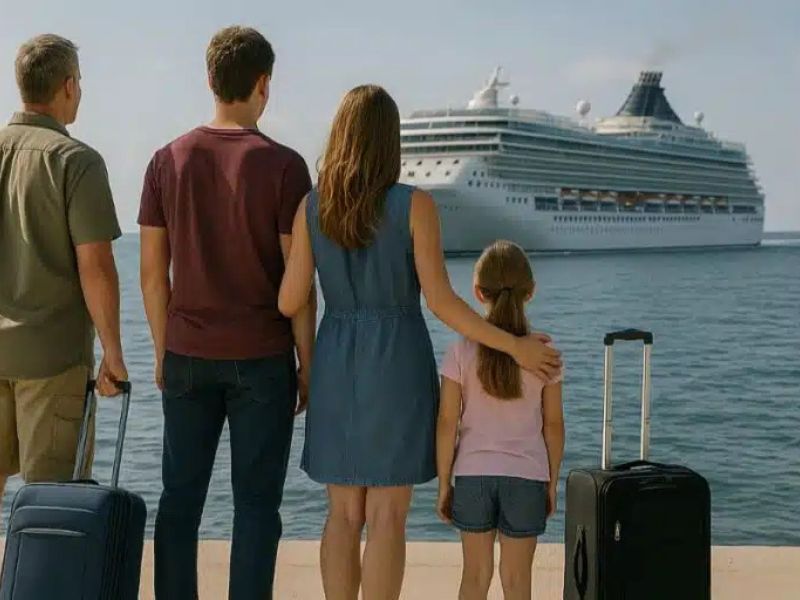
Rejoining the cruise might involve last-minute flights, hotels, transfers and a fair bit of logistics. Costs can escalate quickly, especially if you’re dealing with international travel at short notice. Those last minute tickets are never cheap…
Some policies include specific cover for rejoining your cruise, while others don’t – or only cover the initial missed departure. It’s a small detail, but one that can make a huge difference if things don’t go to plan.
3. Onboard Medical Bills – Why Sea Treatment Isn’t Like Land
It’s easy to assume that medical treatment on a cruise works much like it does on holiday ashore. In reality, ship medical centres are private facilities, and the costs reflect that.
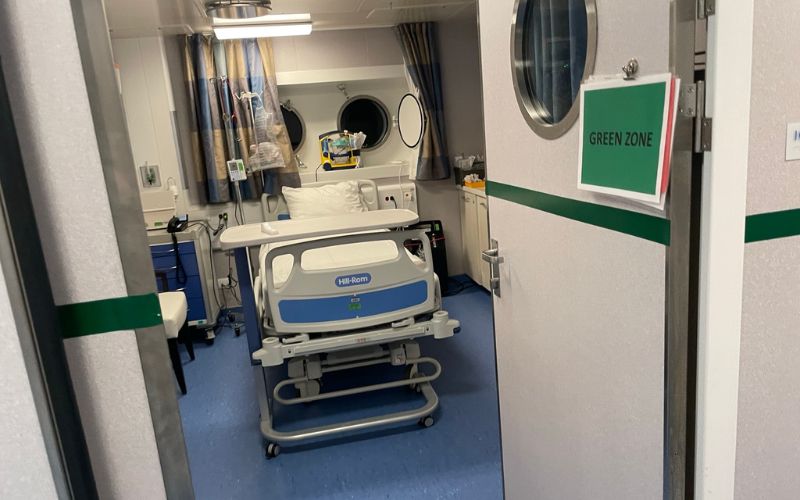
Even relatively minor issues can add up quickly, and in many cases you’ll be expected to pay upfront before leaving the ship. That’s very different from how treatment works in many destinations on land.
For more serious situations, things can escalate fast. Medical evacuations from a ship are complex and very expensive, and they’re not something you want to be underinsured for.
This is where policy limits really matter. A policy might include medical cover, but the level of cover – and whether it clearly includes onboard treatment and evacuation – is what counts. It’s worth checking the wording rather than assuming all “medical cover” is created equal.

And make sure you’ve declared any pre-existing conditions. You don’t want to be hit by a bill onboard your cruise, only for your insurer to tell you your policy was invalid!
Read more: The First Things You Must Do After Booking A Cruise
4. Missed Excursions And Cutting Your Cruise Short
Cruises are often booked as a full package. Excursions, drinks, WiFi – it all adds up, and much of it is paid for in advance.

If you fall ill, have an emergency back home, or need to leave the cruise early, you could end up missing a significant chunk of what you’ve already paid for. The same goes for excursions you’re unable to attend through no fault of your own.
Standard travel insurance doesn’t always reflect this bundled, prepaid nature. Cruise-specific policies are more likely to include cover for unused excursions or to compensate you if your trip is cut short.
Without it, you could be left absorbing those costs yourself. It’s not just about the cruise fare – it’s everything attached to it. And having the right cover in place can help you get as much refunded as possible.
5. Does Your Policy Actually Match Your Itinerary?
This is the one that sounds obvious, but it’s surprisingly easy to get wrong.
Cruises often span multiple countries and sometimes different regions entirely. Add in flights for a fly-cruise, pre- or post-stays, and suddenly your “simple holiday” covers a lot of ground – or sea.
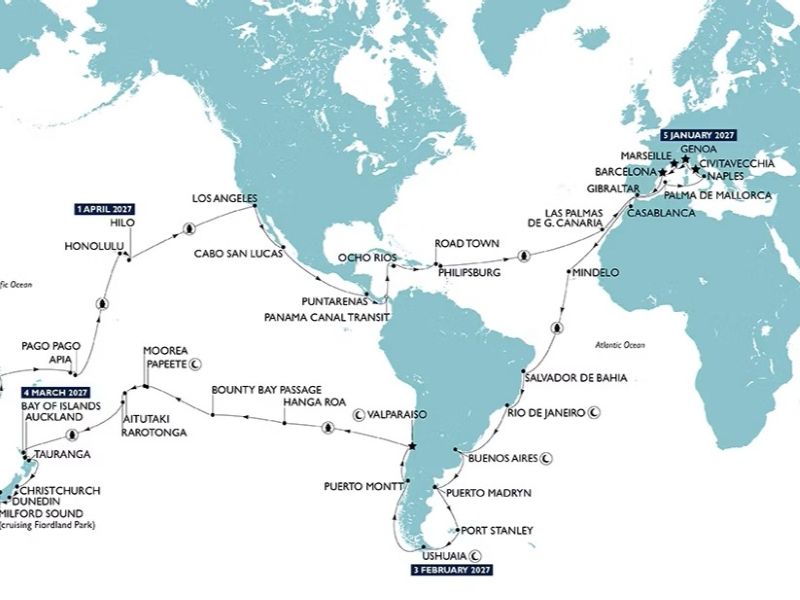
Your insurance needs to reflect all of that. That means the right geographical area including any nuances for the countries you’re visiting, the correct travel dates, and cover that includes every part of your journey – not just the bit when you step onboard the ship itself.
If a destination isn’t included, or your dates don’t quite line up, you can end up with gaps in cover. And those gaps tend to show up at the worst possible moment.
It’s worth taking a few minutes to line your policy up against your full itinerary. Most people assume it matches automatically – but that’s not always the case.
Final Check – Is Your Insurance Actually Cruise-Specific?
The biggest takeaway here isn’t that you need insurance – it’s that you need the right kind.
Cruise holidays come with their own quirks. Time at sea, fixed schedules, multiple destinations, private medical care – it all adds up to a very different risk profile compared to a standard trip.
Plenty of policies look fine at first glance, but don’t include the details that really matter once you’re onboard. That’s why cruise-specific insurance exists in the first place.
If you’ve already got a policy, now’s the perfect time to sense-check it. And if you haven’t sorted it yet, it’s worth taking a little extra care to make sure it actually fits the holiday you’ve just booked.
Because once you’re standing on deck, watching the coastline disappear, you want to be thinking about your next cocktail – not whether your insurance will hold up if something goes wrong.
My Recommendation
My recommendation for cruise insurance is Compare Your Cruise Insurance
They’re a trusted price comparison site that will quickly get you lots of quotes to match your exact needs.
