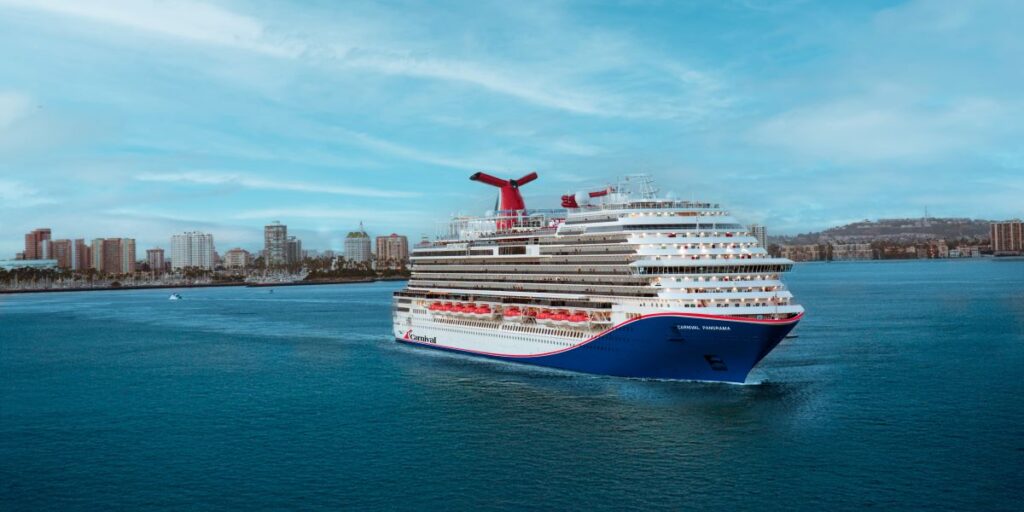
A male passenger jumped overboard from Carnival Panorama on 19th September 2026 whilst the ship was sailing off the coast of Mexico on the final full day of a seven-night Mexican Riviera cruise.
The incident, which occurred approximately 200 miles south of Ensenada, prompted an extensive search operation before the vessel resumed its journey to Long Beach, California.
The sequence of events began when a family member reported the passenger missing and requested guest services to page him around 10:30 AM Pacific Time.
The missing person was travelling with relatives aboard the 4,000-passenger vessel, which had departed Long Beach, California, on 13th September 2026 for a week-long itinerary along Mexico’s Pacific coast.
Ship announcements seeking the missing passenger commenced approximately 11:00 AM, alerting guests throughout the vessel.
As standard protocol in such circumstances, passengers were subsequently instructed to return to their staterooms for a comprehensive headcount to verify whether the individual was still aboard the ship.
CCTV Footage Confirms Overboard Incident
Carnival Cruise Line confirmed the tragic details to multiple news outlets following a thorough review of the ship’s security systems.
The cruise line issued a statement explaining that after being notified a guest was missing, the crew immediately reviewed closed-circuit television footage from cameras positioned throughout the 133,500-gross-tonne vessel.
The CCTV evidence confirmed that the missing person had indeed jumped from the ship whilst it was underway.
Following this confirmation, the crew promptly alerted both the United States Coast Guard and Mexican Coast Guard authorities, initiating emergency protocols for a person overboard situation.
Carnival Cruise Line stated: “Carnival Cruise Line confirmed Saturday that a male guest aboard Carnival Panorama jumped overboard while the ship was sailing from Puerto Vallarta, Mexico to Long Beach, California.”
The statement underscored the company’s cooperation with maritime authorities in both countries.
Ship Reverses Course For Extensive Search Operation
Passenger accounts and maritime tracking data from The Cruise Globe indicate that Carnival Panorama began turning around approximately 2:00 PM Pacific Time to search the surrounding waters.
The vessel was positioned almost 200 miles south of Ensenada, Mexico, along the Baja California peninsula when the turnaround commenced.
The search operation lasted for approximately two and a half hours, with the ship methodically covering the area where the incident was believed to have occurred.
Maritime safety protocols require cruise ships to immediately reverse course and conduct search patterns when a person goes overboard, working in coordination with coast guard authorities who deploy additional resources.
At approximately 4:30 PM Pacific Time, Carnival Panorama resumed its northbound route to Long Beach after exhausting immediate search possibilities in the area.
The decision to continue sailing is typically made in consultation with coast guard officials, who take over primary responsibility for extended search and rescue operations.
Passengers Describe Unsettling Experience During First Cruise
One passenger aboard the vessel, Misty Hernandez, shared her experience on social media platforms, noting that she was on her first cruise and found the entire situation deeply unsettling.
Hernandez observed that the ship had turned around and was heading back toward Puerto Vallarta during the search operation.
First-time cruisers like Hernandez are rarely prepared for emergency situations at sea, and the experience of a person overboard incident can be particularly distressing for those unfamiliar with maritime safety protocols.
The announcements requesting all passengers to return to their staterooms for a headcount added to the tense atmosphere aboard the ship.
Passengers reported a sombre mood throughout the vessel as the reality of the situation became apparent.
Whilst cruise lines train crew members extensively for such emergencies, the impact on fellow passengers – particularly those travelling with families or on celebratory voyages – can be profound and long-lasting.
Carnival Panorama’s Mexican Riviera Itinerary Details
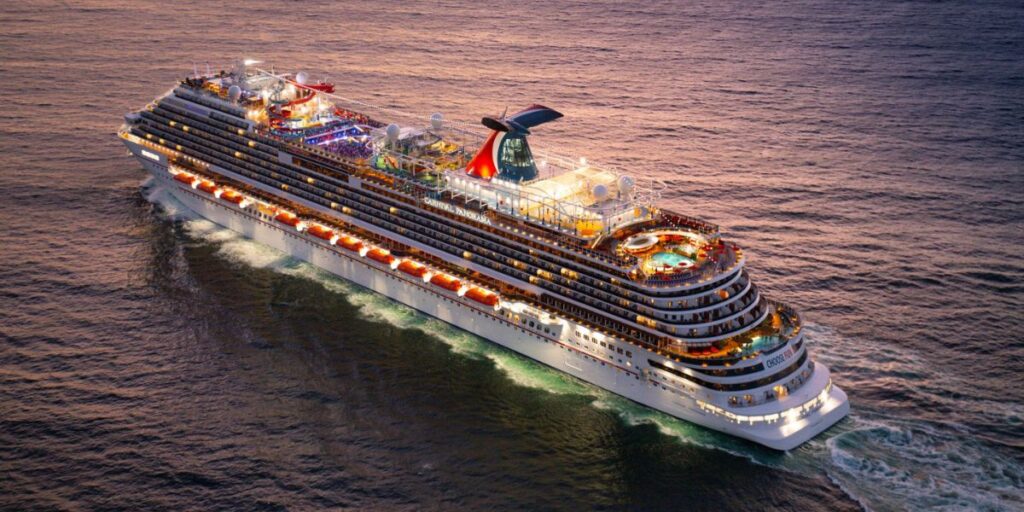
The 133,500-gross-tonne Carnival Panorama had embarked on its seven-night Mexican Riviera cruise from Long Beach on 13th September 2026, following one of the cruise line’s most popular West Coast itineraries.
The ship had called at Puerto Vallarta on 17th September before beginning its northbound return journey along Mexico’s Pacific coastline.
Mexican Riviera cruises have been a staple of West Coast cruising for decades, offering passengers convenient access to Mexican ports without requiring lengthy voyages or significant time away from home.
The itineraries typically feature calls at destinations such as Puerto Vallarta, Mazatlán, and Cabo San Lucas, showcasing Mexico’s vibrant culture, pristine beaches, and rich history.
Carnival Panorama, which entered service in December 2019, is the third and final ship in Carnival’s Vista class.
The vessel features a guest capacity of approximately 4,000 passengers and offers amenities including the first SkyRide aerial attraction at sea, an IMAX theatre, and the popular WaterWorks aqua park.
Industry Context For Overboard Incidents At Sea
Overboard incidents remain relatively rare in the cruise industry, though they generate significant attention when they occur due to their tragic nature.
According to industry data, an average of approximately 20 to 25 people go overboard from cruise ships annually worldwide, from a passenger base exceeding 30 million cruise travellers each year.
Modern cruise ships are equipped with extensive CCTV systems covering virtually all public areas and many deck spaces, enabling rapid confirmation of overboard incidents.
This technology has proven invaluable in reducing response times and providing crucial information to search and rescue coordinators about the specific location and timing of incidents.
The cruise industry has implemented numerous safety measures over the past two decades, including mandatory railings of specific heights, restricted access to certain deck areas during overnight hours, and sophisticated man-overboard detection systems on many newer vessels.
However, preventing all incidents remains challenging, particularly when individuals deliberately climb over safety barriers.
Support Services For Affected Family Members
Carnival Cruise Line confirmed it continues offering support to the relatives who were travelling with the passenger aboard Carnival Panorama.
Cruise lines maintain specially trained staff members who provide emotional support, logistical assistance, and coordination with authorities for families affected by tragic incidents at sea.
The support services typically include assistance with travel arrangements, communication with authorities, coordination with consular services for international passengers, and ongoing counselling resources.
Cruise lines work closely with grief counsellors and mental health professionals to ensure families receive appropriate care during extraordinarily difficult circumstances.
The cruise line’s Guest Care team remains in contact with affected families long after the voyage concludes, ensuring they have access to necessary resources and support systems.
This commitment extends beyond the immediate aftermath, recognising that grieving families may need assistance for weeks or months following such tragedies.
Passenger Identity Withheld Pending Investigation
As of 20th September 2026, the passenger’s identity had not been publicly released, consistent with standard protocols that protect family privacy during ongoing investigations.
Maritime authorities from both the United States and Mexico continue coordinating their investigation into the circumstances surrounding the incident.
The decision to withhold identifying information respects the family’s privacy whilst allowing authorities to complete notifications to next of kin and conduct preliminary investigations.
Coast guard officials typically release limited information about overboard incidents until investigations conclude and families have been fully informed and supported.
The investigation will likely examine all available evidence, including CCTV footage, witness statements from passengers and crew members, and any relevant communications or circumstances leading up to the incident.
Such investigations help authorities understand patterns and potentially identify additional safety measures that might prevent future tragedies.
The cruise industry, whilst maintaining strong safety records overall, continues working to enhance overboard prevention through technological innovations, crew training improvements, and passenger awareness initiatives.
Each incident provides opportunities to review protocols and identify areas where additional safeguards might prove beneficial for the millions of passengers who cruise annually.