
There are few things more awkward than sitting down for what you think will be a relaxing dinner at sea, only to realise you’ve been placed at a table with complete strangers for the entire week.
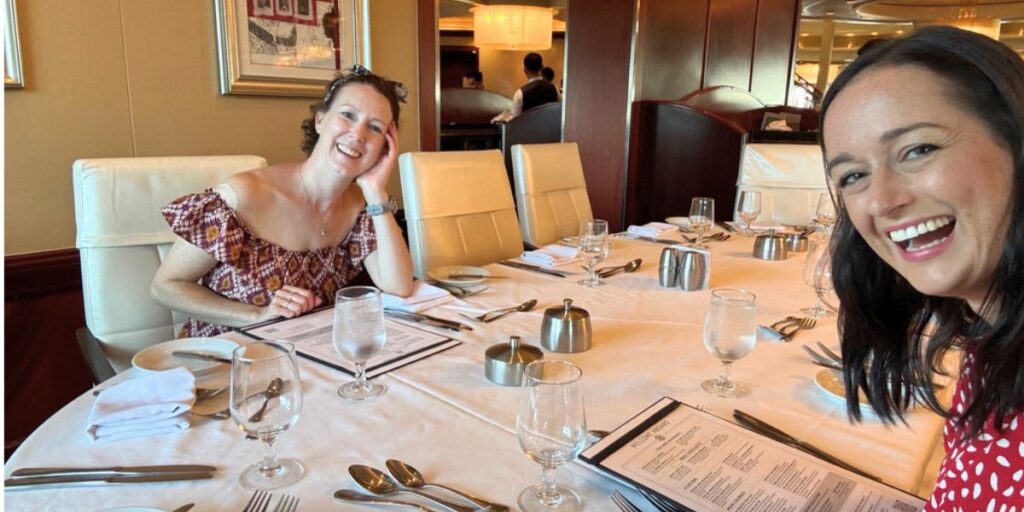
I was once placed at a table for six with my family that included a baby and a toddler, as well as a child-free couple. They were lovely, but I’m sure they would have preferred a table for two!
What most people don’t realise is that, on many cruise lines, table sharing isn’t as unavoidable as it seems. The dining system you choose, the way you book, and even when you ask a simple question onboard can make a huge difference.
If you’re worried about being stuck at a shared table, or you just want to know how to make sure dinner stays your downtime, here’s what you need to know before you sail.
Table Sharing on a Cruise Explained
Table sharing usually means being assigned a table with other passengers you don’t know, often at a fixed dining time in the main dining room.
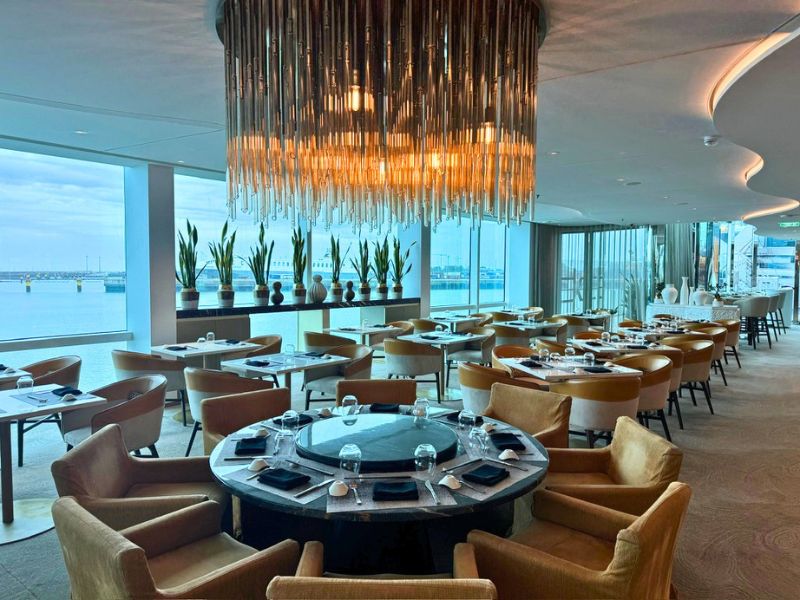
On some ships, this also means sitting with the same people every evening for the duration of the cruise.
While I actually enjoy sharing a table with different people each evening, particularly as a solo traveller. I’m much less keen on it being with the same people every day. That’s far too risky.
In the past, table sharing was seen as part of the traditional cruise experience. You’d have a communal dinner, sharing stories of your day’s adventures ashore, and over time making new friends.
But times have changed. Today, many travellers prefer more flexibility and more privacy, especially couples, families, and anyone who sees dinner as downtime rather than a social event. It’s not about having to be ‘on’ and engaging, rather just a bit of time to relax with the people you already know.
Some people enjoy meeting new people over dinner, and that is great. The problem is when sharing is not a choice.
My Table Sharing Horror Stories
I’ve been on over fifty cruises and I have shared many tables and most of the time it’s been lovely. But sometimes, it hasn’t.
I was once seated on a table next to a man with the most awful body odour. He’s been wearing the same thick sweatshirt since he embarked the ship two days earlier in Italy and the weather was very hot. The smell hit me as soon as as sat down.
There was no way I could eat with him. I made my excuses went over to the waiter who was very helpful and whisked me over to a new table at the other side of the dining room without a fuss. I can only imaging that the other guests at the table has sinus problems or moved after I did.
On another cruise as a solo traveller, I was assigned to a table of ten. That seemed great, until nobody else showed up! I had to sit at a huge table all by myself, while the other tables nearby had couples who looked over at me with pity.
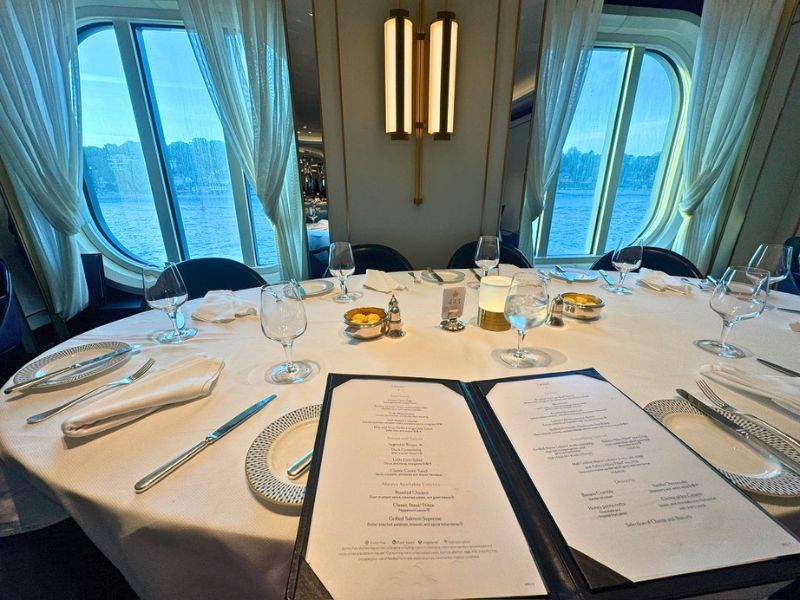
On another cruise, I was seated with five German speakers, who all got on very well and had very lively conversations. Luckily for me, one of them also spoke English, and spent the whole dinner acting as my interpreter, giving me the short version of what the group were discussing. She turned a nightmare meal into one that was actually very enjoyable.
I’ve also had some fantastic table sharing experiences. My family and I were once seated with another family and we got on so well that we remain friends for life and have met up several times, even though they live at the other end of the country.
Why Table Sharing Still Exists
Table sharing mainly survives on more traditional cruise lines and on ships that still use fixed dining times and assigned seating.
There are a few reasons for this. Firstly, it can simply help to manage space in busy dining rooms.

More small tables means more walking space needed around them, and so seating 500 people for a dining seating takes up a lot more room if it’s 250 smaller tables instead of 80 larger ones.
However, it is possible to squeeze in more guests with tables for two. MSC Cruises, for example, uses very small tables, with just a couple of inches between them.
I actually like this set-up. It gives you the choice to treat it as a shared table and chat to the people next to you, or to ignore them completely. Also, even if you’re chatting as a group, you don’t need to wait for them while they order more courses than you as the food will come out seperately.
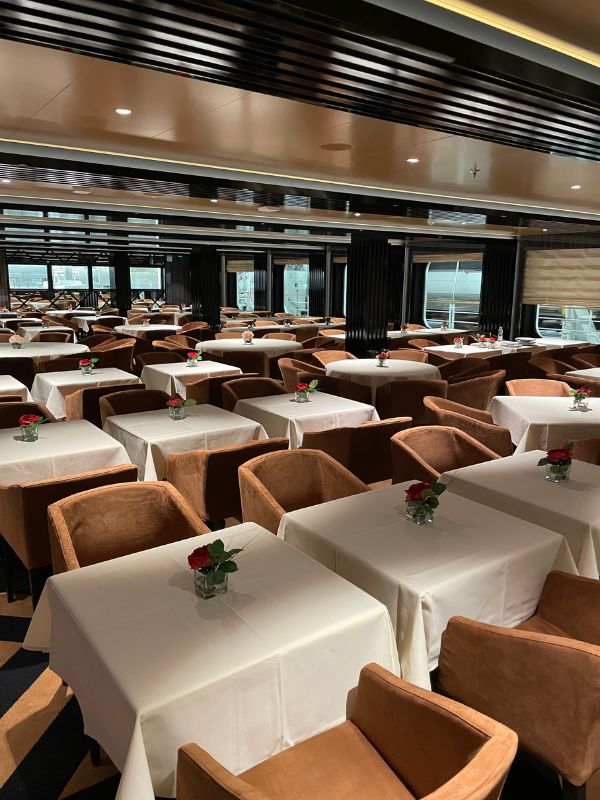
That said, the industry has moved on. Most mainstream cruise lines now offer flexible dining, app-based reservations, and a wide choice of restaurants, which makes enforced sharing much less common than it used to be.
Where You Are Most Likely to Encounter Table Sharing
Even though table sharing is far less common than it used to be, there are still some situations where you’re more likely to come across it.

The biggest factor is the dining style. If a cruise line uses fixed dining times with assigned seating, there’s a much higher chance that you’ll be placed at a shared table, especially if you’re travelling as a couple or on your own. From the cruise line’s point of view, it’s simply the easiest way to fill the dining room at busy times.
More traditional cruise lines are also more likely to use shared tables, particularly those that still put a lot of emphasis on formal dining and socialising in the evenings. On these ships, sitting with the same group of people each night is often seen as part of the experience rather than something to avoid.
Your booking details can make a difference too. If you book late, sail during peak times like school holidays, or choose a guarantee cabin where fewer preferences are taken into account, you’re more likely to be fitted in wherever there’s space rather than given a table that matches what you’d ideally want.
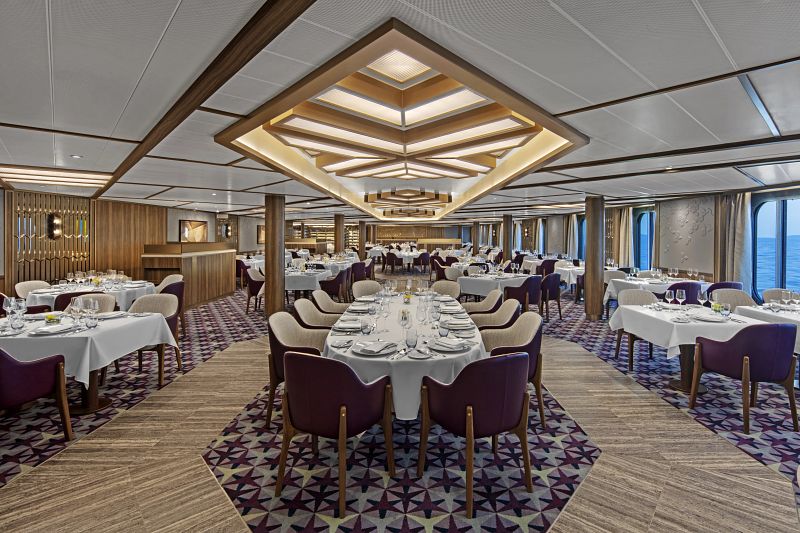
Party size matters as well. Solo travellers and couples are the most likely to be placed at shared tables, simply because they’re easier to pair up with other small parties. Groups of four or more are much more likely to be given their own table, as it’s usually simpler to seat them together.
But one of the biggest deciding factors is ship size and layout. On smaller or more traditional ships, dining rooms tend to have less flexibility, which can make shared seating more common, especially on busy sailings.
Even on larger ships, you might still come across shared tables at breakfast or lunch in the main dining room, although these meals are usually much more relaxed and less structured than dinner.
And in the buffet, if it’s busy and one or two people are at a large table, it’s expected that other guests will sit in those seats.
Cruise Lines Where Table Sharing Is Still Common
Policies change over time, but in general, these lines are more likely to use shared tables, especially in their main dining rooms.
Note that I’m saying these are more likely – that doesn’t mean it’s guaranteed, either.
Ambassador Cruise Line
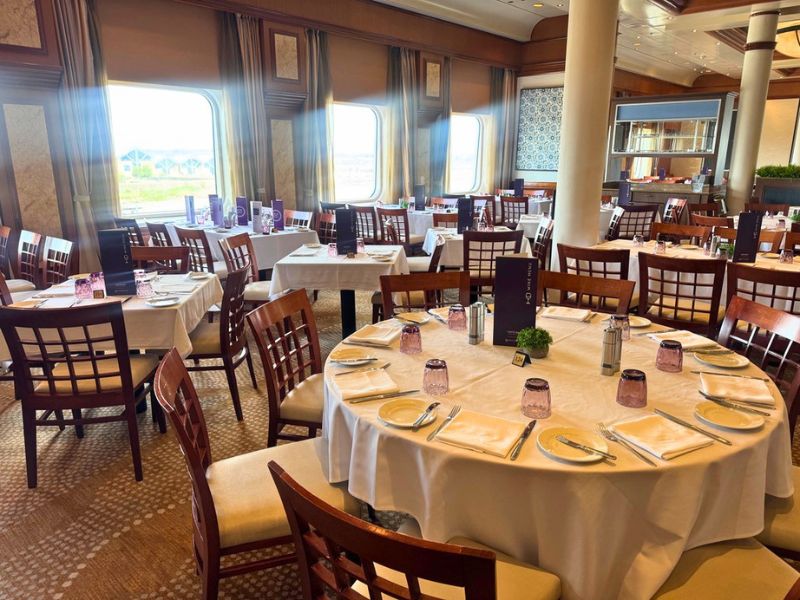
Ambassador Cruise Line has traditional dining with large tables. When you book, you can select your preferred table size, although its just a suggestion. Many people who select 2 will actually be assigned a larger table.
I usually choose 10 as the table size, because if I have to dine with the same people every night, I’d rather have a larger mix of people to chat to.
Cunard
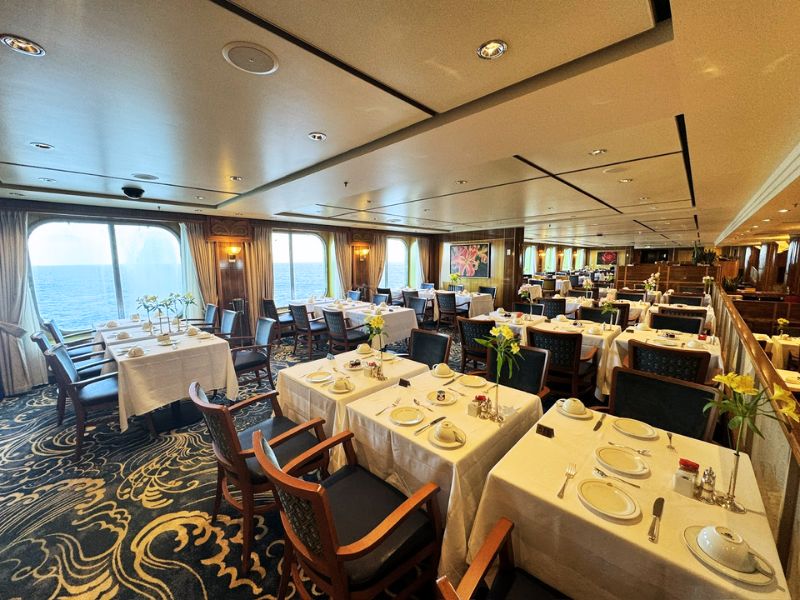
Cunard is known for its traditional style of cruising. Assigned tables and set dining times are standard in the main dining rooms, and table sharing is common unless you request otherwise.
However, if you are staying in a suite and dining in the Queens Grill or Princess Grill, you will have your own table.
Disney Cruise Line
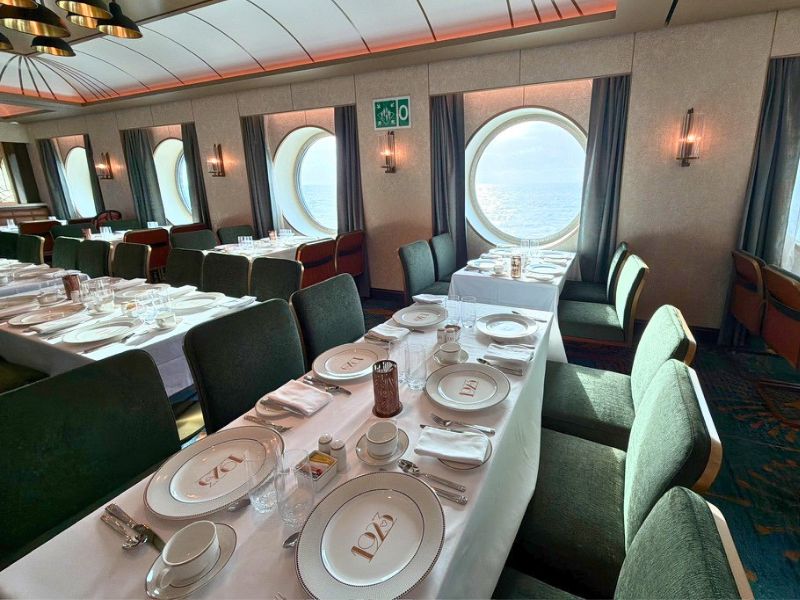
Table sharing is surprisingly common on Disney cruises. That’s because Disney has a unique rotational dining sysyem, which means that you dine in an assigned seat in an assigned restaurant each evening, and you also have the same waiters.
Families of four may have their own table, or they may be seated with another family. If your group is smaller than this, you can almost certainly be expected to share. So if you want a romantic break, you should definitley let them know or you may be seated at a table with someone else’s kids.
Also, Disney is one of the few cruise lines that has no buffet in the evening. So if you don’t like your table mates, you may feel trapped.
Fred. Olsen
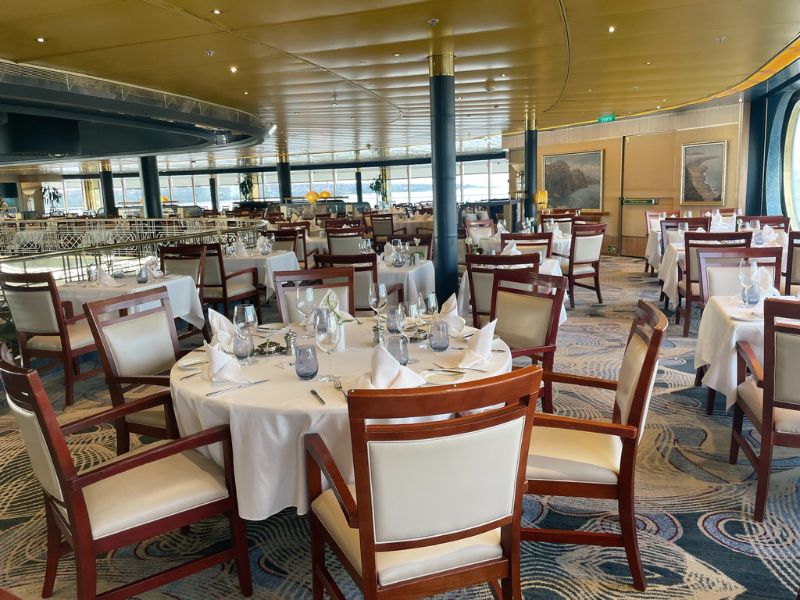
Fred. Olsen Cruise Lines uses fixed dining times and traditional seating, which usually means table sharing in the main dining room in the evenings. You will normally sit at the same table with the same people each night.
You’ll be assigned either early or late dining. If you don’t like that, there’s a fee of £2 per person, per night to change it.
Holland America Line
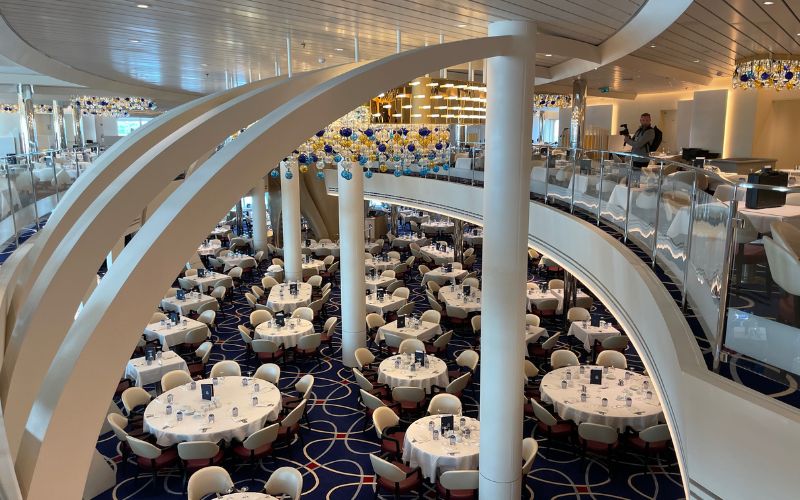
On Holland America Line. You may be seated with others in the main dining room, especially if you choose fixed dining. It is often possible to request a table for two, but this is not guaranteed on busy sailings.
MSC Cruises
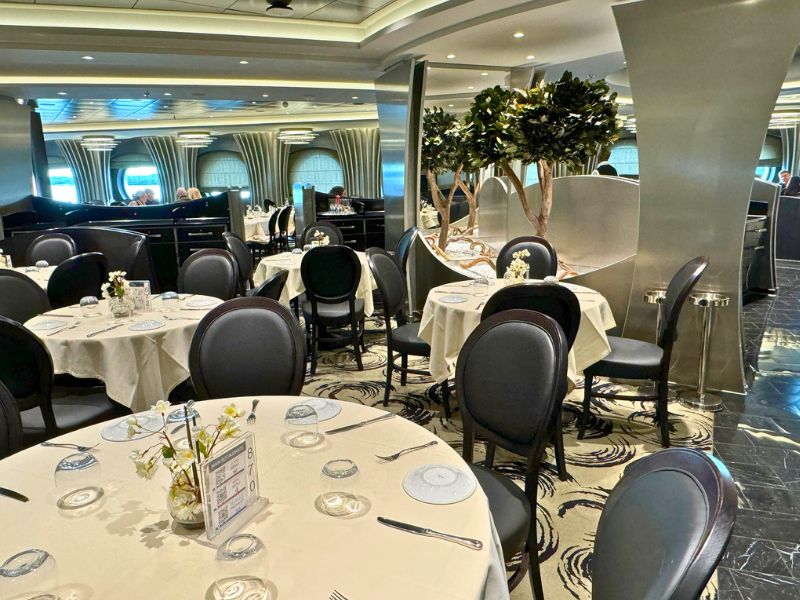
Table sharing is still fairly common in MSC’s main dining rooms, particularly on the lower fare types. Your cabin experience level can make a difference, with higher tiers offering more flexibility and dedicated dining areas. Even with a private table, tables can sometimes be placed very close together.
Virgin Voyages
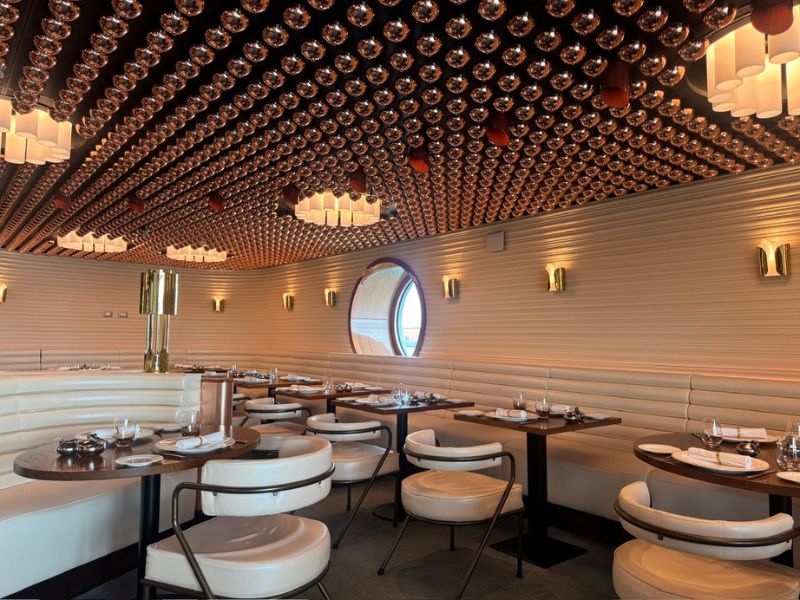
Virgin Voyages doesn’t have a traditional main dining room. Instead there’s a choice of restaurants. While many of these offer tables for one or two, some are designed in a more social style.
For example, in Gunbae, the Korean barbecue restaurant, you’ll site around a grill table for six to eight people and share the food. It’s fun though, and the waiters will even lead drinking games.
Also, in the Text Kitchen, the layout is with long communal counters and high stool seating, facing an open kitchen.
Cruise Lines That Rarely Enforce Table Sharing
On many modern cruise lines, private tables are now the default.
Celebrity Cruises
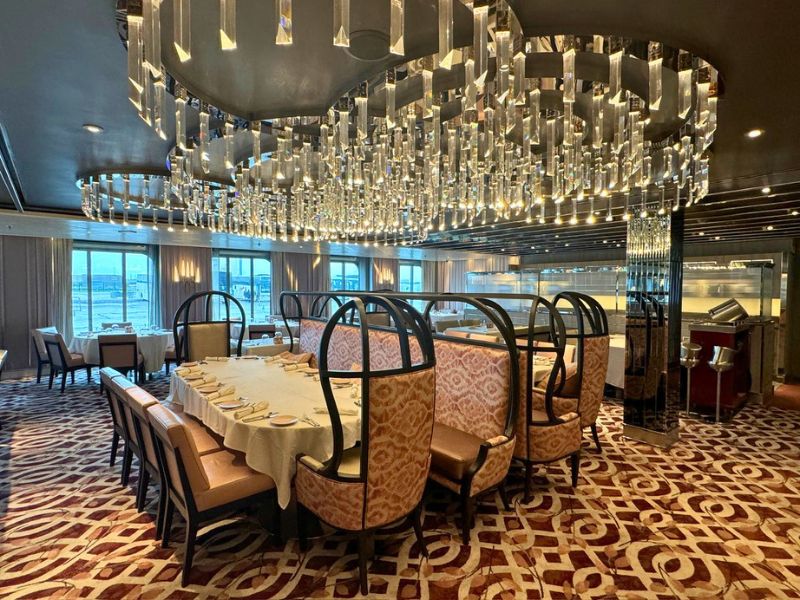
Celebrity’s Select Dining offers flexibility, and table sharing is optional rather than standard. If you prefer a private table, you can simply ask. Most Celebrity ships also have a choice of Main Dining room with unique menus to keep things mixed up.
Norwegian Cruise Line
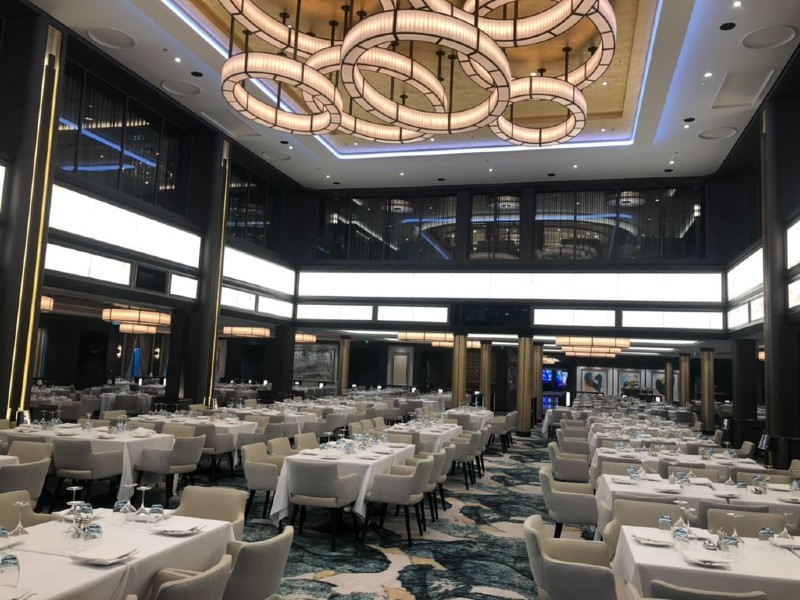
Norwegian’s Freestyle Dining means you eat when and where you like. You will never be forced to share a table with strangers in the main dining rooms, unless you want to.
P&O Cruises
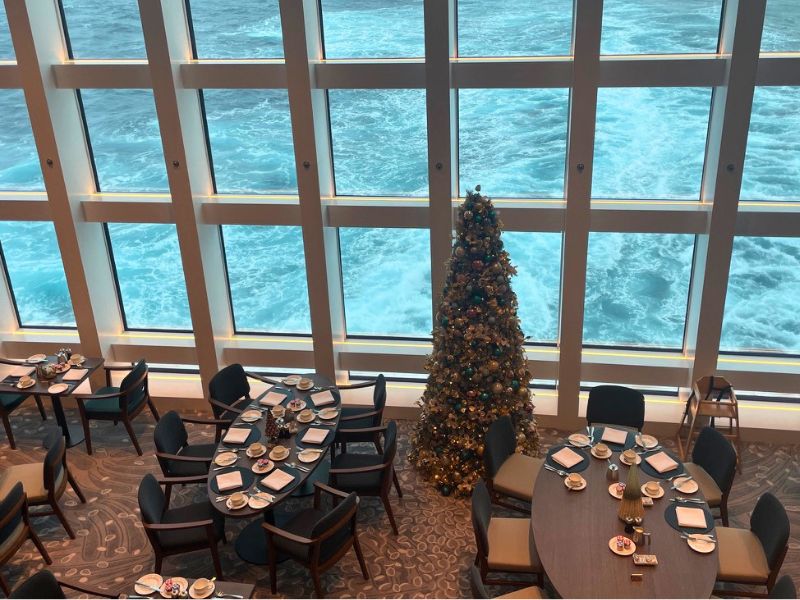
P&O Cruises generally offers you a choice of a private or sharing tables. When you arrive at the main dining room, they will ask if you’re happy to share. It’s fine to say no, but you may have to wait a little longer for a table and they may give you a buzzer to come back later.
Royal Caribbean

With My Time Dining and a large number of restaurants, it is easy to avoid shared tables. If you prefer not to share, you don’t have to.
How to Avoid Table Sharing on Your Cruise
The key to avoiding shared tables is being a bit proactive. It’s best not to assume the system will automatically give you what you want, even on cruise lines that usually offer flexible dining. A few small steps can make a big difference.
1. Choose Flexible Dining
If your cruise line offers anytime, freestyle, or My Time dining, choose that option if you can.
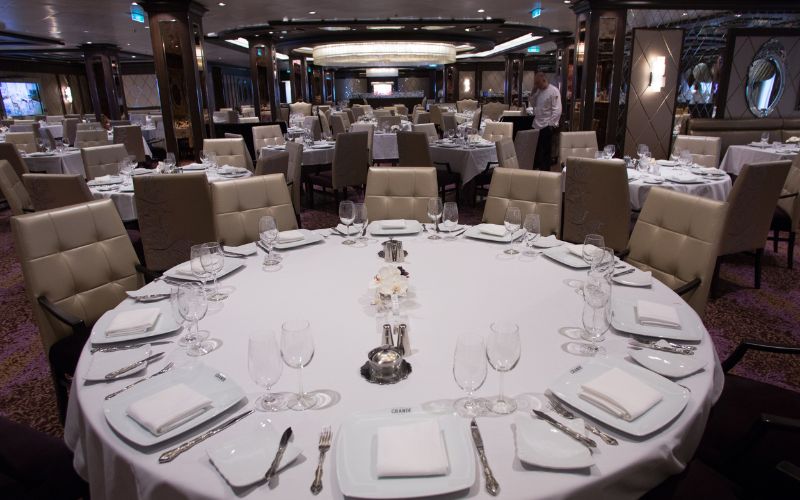
This almost always means you’ll be seated at a private table for your own party. Fixed dining times are where shared tables are still most common, so if privacy matters to you, flexible dining is your friend.
2. Add a Request When You Book
Whether you’re booking direct or through a travel agent, it’s worth asking for a note to be added to your reservation saying you’d prefer a private table. It’s not a guarantee, but it does help flag your preference early on. This is especially useful if you’re travelling as a couple or as a group of three, as these party sizes are often the first to be matched with others.
3. Check Your Dining Settings in the App or Online
Many cruise lines now let you manage your dining preferences before you sail using their app or website.
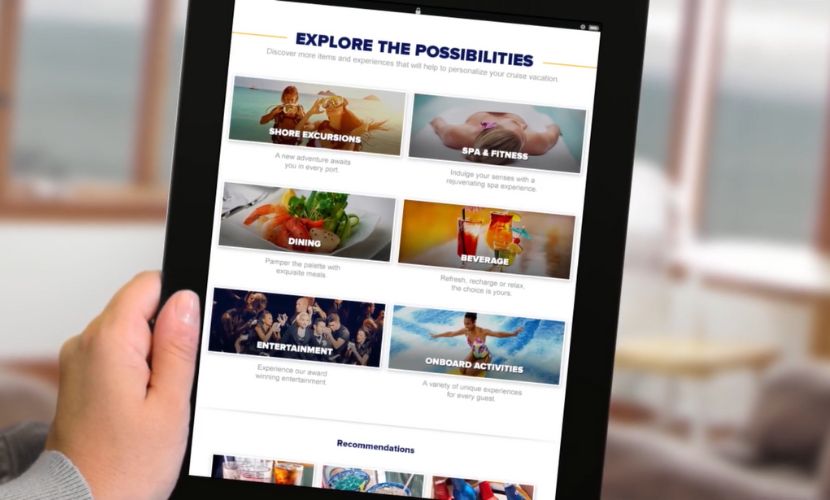
This is where you can usually choose flexible dining, book tables for your party size, and sometimes even reserve restaurants in advance. Sorting this out early gives you more control and, in most cases, more choice too.
4. Speak to the Maitre d’ on Embarkation Day
If you do find yourself assigned to a shared table and you don’t want it, head to the main dining room or dining desk as soon as you can on the first day and ask to speak to the maitre d’.
Be polite, explain that you’d really prefer a private table, and try to be open to a bit of flexibility. In many cases they can move you straight away, or at least sort it out within the first day or two. The earlier you ask, the easier it usually is to fix.
If you have a specific reason why you prefer not to share a table, such as a hearing impairment or low immune system, be sure to let them know.
5. Be Flexible With Time or Location
If the dining room is busy, you might be offered a different dining time, a table in another section of the restaurant, or a change starting from the second night rather than the first.
None of that is ideal, but being open to small compromises often makes the difference between staying at a shared table and getting a private one.
6. Use Alternative Dining Venues
If the main dining room insists on shared seating, you still have plenty of other options.
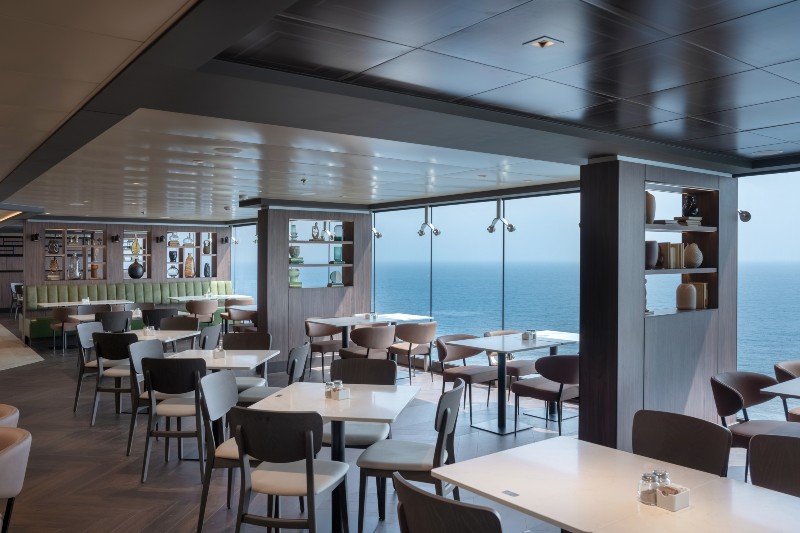
The buffet is almost always free seating, many ships have included casual restaurants with private tables, and speciality restaurants will seat you at your own table.
On most modern ships, it’s entirely possible to avoid shared tables for your whole cruise, even if the main dining room isn’t playing ball.
Are Shared Tables Always a Bad Thing?
Not at all. Plenty of people genuinely enjoy meeting new people over dinner, especially on longer or more traditional cruises where socialising is a big part of the experience.
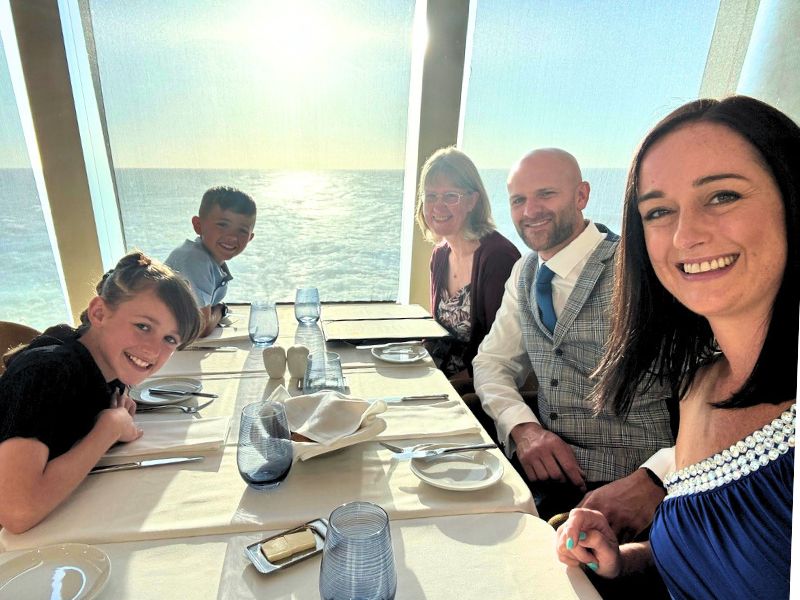
For solo travellers in particular, shared tables can be a really easy and natural way to strike up conversations and feel more connected onboard.
The issue isn’t that shared tables exist at all. It’s that they shouldn’t be the default. Dining with strangers should be something you opt into, not something you’re automatically assigned without being asked.
TODAY’S BEST CRUISE DEALS!
Don’t miss these offers…
The Bottom Line
If you prefer to dine only with the people you’re travelling with, you can almost always make that happen with a bit of planning and a bit of persistence.
Choosing flexible dining, setting your preferences early, checking your app or booking, and speaking to the dining team as soon as you get onboard will usually do the trick. And if all else fails, most modern ships have plenty of other places to eat, from casual included venues to speciality restaurants, where you’ll always get your own table.
Cruising should be relaxing, and that includes dinner. Whether you love social dining or prefer quiet meals with your own party, the important thing is that you get to choose.
Get the best price on your cruise…

Related Posts
- The Hidden Cost Of Solo Cruising – And How To Beat It
- The 9 Cruise Traditions That Need To Walk The Plank!
- Best Cruise Lines for Food: 8 Cruise Lines with the Most Delicious Dining


There is no way we will ever share a table. It’s a table for two for us. My wife has an impaired immune system. Further the smell of seafood/fish in close proximity makes me want to vomit. Also, there’s nothing worse than being plonked on a table where there a several heavy smokers as, despite bathing, they’ll stink. I’ve even seen tables of 10 have service held up while 3 or 4 smokers nip out for a fag between course. Shouldn’t be allowed to happen but restaurant staff are reluctant to stop it.
The only issue we’ve ever had was on Fred Olsen but they’re an absolute pain of a cruise line anyhow and we’d never travel with them again. We ended up with second sitting actually starting around 10 pm and, after 2 nights, we were the only couple on a table for 10.