
You can spend months planning a cruise and still get caught out within minutes of stepping off the ship.
The thing is, cruise passengers are an easy audience for scammers to spot. Sometimes, at least. Think about it – thousands of visitors arrive at once, most are unfamiliar with the local area, and everyone’s trying to make the most of a limited few hours ashore.

Add in busy terminals, language barriers and the usual holiday excitement, and it’s no surprise that some ports have become hotspots for tourist scams.
Don’t panic – most cruises pass without a single issue, and millions of people explore ports every year without problems. But a little awareness goes a long way…
1. Fake Taxi Drivers And Inflated Fares
This is probably the most common cruise port scam of all, and it happens everywhere from Miami to Barcelona.
Some drivers target cruise passengers specifically because they know travellers are unfamiliar with local fares and often in a hurry to get to the port, airport or a major attraction. The scam varies slightly too – some drivers might refuse to use the meter or claim it’s broken. Others take unnecessarily long routes to inflate the fare, since they think you’re clueless about where you’re going.

There have also been reports of fake rideshare drivers approaching passengers outside terminals pretending to be official Uber or Lyft drivers. Once luggage is in the car, the fare suddenly jumps – and arguments become difficult when your bags are locked in the boot.
Even legitimate taxis can try their luck. Some passengers have discovered extra zeros added to card machines or “tourist pricing” applied once they realise you’ve arrived from a cruise ship.
Official taxi ranks are always the safest option. If you’re using rideshare apps, only get into the exact vehicle listed in the app and verify the registration plate before you throw your suitcases in the back.
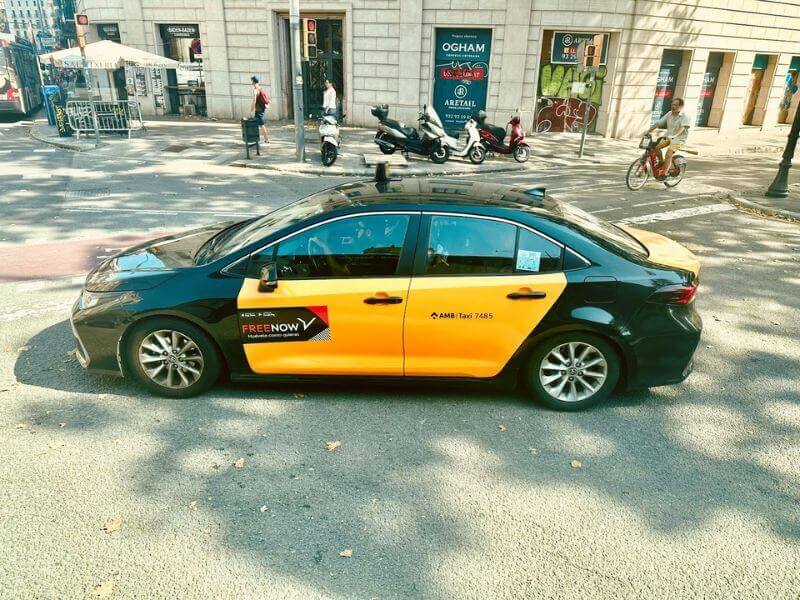
It’s also worth researching typical fares in advance. Knowing roughly what a journey should cost makes it much easier to spot when something feels off.
And if you’re worried? Look for someone who works at the port and they’ll be able to give you a hand.
Read more: Taxi Scam Warning For Popular Mediterranean Port
2. Shore Excursion Scams
Independent shore excursions can be fantastic. In many ports, local operators offer smaller groups, lower prices and more personal experiences than cruise line tours.
But not every excursion company is as reliable as it appears online.

Some passengers have arrived to find overcrowded minibuses, attractions swapped for souvenir stops, or surprise “dock fees” added at the last minute. Others have booked tours that looked professional online, only to discover they were heavily subcontracted once they arrived.
One of the biggest risks is booking with people standing near the pier offering tours on the spot. Genuine local operators do exist, but scammers know cruise passengers are tempted by last-minute deals.
The biggest red flag is pressure. If someone insists you must book immediately because “the last seats are going”, it’s usually better to walk away.
Before sailing, spend a little time checking recent reviews on independent sites and cruise forums. Reliable operators tend to have consistent feedback from multiple cruisers over a long period, rather than a handful of glowing reviews posted within weeks of each other.

And if you’re booking independently, always keep an eye on return times. The ship won’t wait for late passengers unless the excursion was booked through the cruise line.
I’d always recommend Shore Excursions Group – tons of 5* reviews, a very generous return-to-ship guarantee and they’re very careful about the tour operators they work with.
Save up to 40% on Cruise Excursions!
Choose from over 4,000 excursions with a return-to-ship guarantee
3. “Free Gift” And Resort Pass Traps
If someone in a cruise port starts offering free bracelets, free drinks, free beach access or a free spa treatment, there’s usually a catch somewhere. And yes, I know that might sound obviously, but people can forget this when they’re cruising – they’re giddy about being on holiday.

These scams are especially common in Caribbean ports where representatives stand near the terminal promising luxury resort access or VIP beach clubs at “no cost”. What they don’t mention upfront is the lengthy timeshare presentation or aggressive sales pitch attached to the offer.
Other versions are simpler but just as awkward. Someone places a bracelet on your wrist, hands you a “gift”, or starts a friendly demonstration before demanding payment afterwards. The idea is to create social pressure and make tourists feel uncomfortable walking away.
Many people will accept something politely before realising they’ve accidentally started a sales interaction they never wanted.
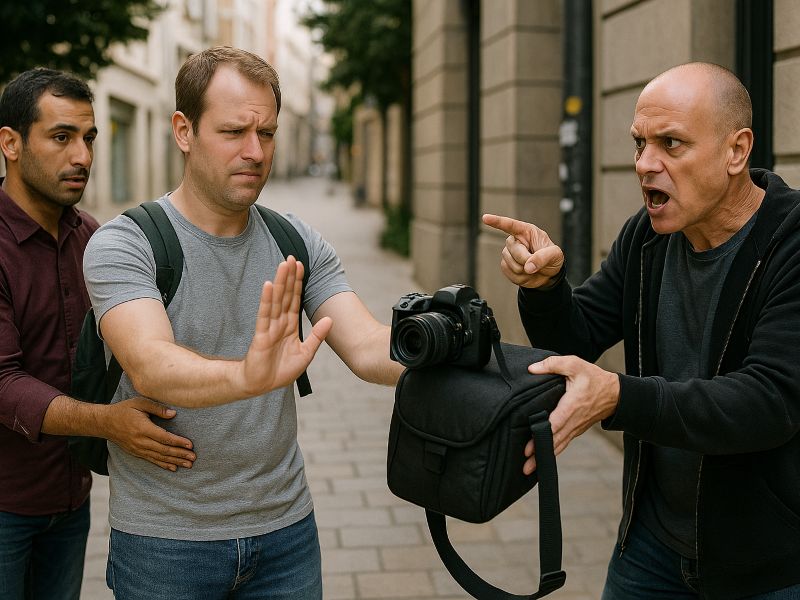
The easiest rule is also the simplest: avoid accepting unsolicited freebies from strangers in busy tourist areas. A firm “no” is all that’s needed.
If you genuinely want a resort day pass, book through a reputable operator or directly with the resort itself rather than someone approaching you outside the port gates.
4. Skincare And Beauty Product Scams
This is one of the cruise world’s most talked-about scams, particularly in parts of the Caribbean and the Bahamas.
Passengers are lured into luxury-looking skincare shops with free samples and demonstrations promising dramatic results in minutes.

Once inside, the atmosphere can become surprisingly intense. Staff move quickly from friendly demonstrations to high-pressure sales tactics, often steering customers towards eye-wateringly expensive creams, serums or beauty devices.
Some travellers later realise they agreed to spend hundreds – or even thousands – far more quickly than they intended. Others claim the amount charged to their card was significantly higher than expected.
These shops often rely on creating urgency and flattery at the same time. You’ll hear phrases like “today only”, “special cruise guest pricing” or “this product usually sells for much more”.
The products themselves aren’t always fake, but the prices can be wildly inflated compared with what similar items cost elsewhere.

If you do buy anything, check the amount carefully before paying and never feel pressured into making a quick decision. Any genuine luxury brand should still be there tomorrow.
Also, a quick word of warning – this isn’t just a port-side scam. On rare occasions, people have talked about similar things happening in an onboard spa on a ship.
If that ever does happen, just go straight to Guest Services and let them know.
5. Public Transport And Ticket Scams
Not every scam involves someone directly stealing from you. Some rely on confusion instead.
Cruise passengers using public transport for the first time in a foreign city can easily get caught out by unfamiliar systems, especially in busy European ports.

One well-known example involves ticket validation machines. In some cities, buying the ticket isn’t enough – you also need to validate it onboard or at the station before travel begins. Tourists who miss that step can face hefty fines from inspectors.
There have also been reports of broken validation machines, conflicting instructions from drivers and unofficial “helpers” giving misleading advice.
Most of the time, these situations are legitimate misunderstandings rather than organised scams, so don’t instantly assume the worst. Still, tourists often feel targeted because locals seem to avoid the same penalties.
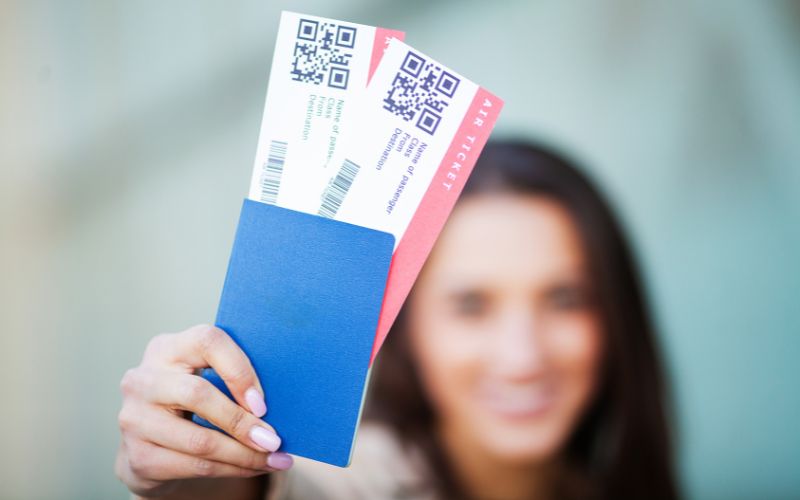
A little preparation helps enormously here. Download official transport apps where possible, check how validation systems work before travelling and keep hold of tickets until the journey is fully complete.
And if someone approaches offering to “help” buy tickets from a machine, be cautious before handing over cash or cards.
6. Pickpocket And Distraction Scams
Crowded cruise ports are ideal environments for pickpockets.
Busy shuttle buses, packed tourist streets and popular attractions create exactly the sort of distractions opportunistic thieves look for. And many scams rely less on stealth and more on confusion.
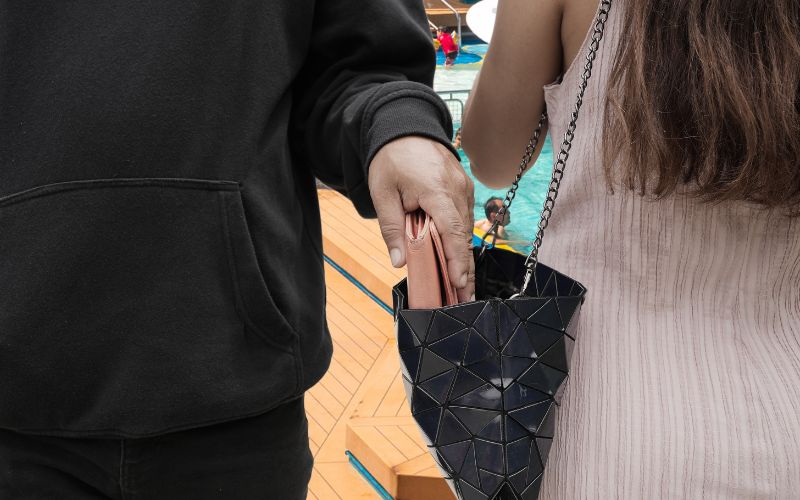
One common tactic is the distraction approach – someone spills something near you, asks you to sign a petition, tries to sell souvenirs aggressively or starts an argument nearby while another person targets bags, wallets or phones.
Another version involves overly helpful strangers offering to give you a hand with luggage on steep streets or station steps.
Mediterranean ports are particularly known for pickpocketing hotspots, especially around major landmarks and public transport hubs, but it can happen anywhere tourists gather in large numbers.
That said, there’s no need to become paranoid. Most visits ashore are completely uneventful.
Simple precautions make a huge difference:
- keep valuables zipped away
- avoid carrying large amounts of cash
- don’t leave phones loose on café tables
- stay especially aware in crowded areas
The easier target is usually the distracted one.
7. Fake WiFi Networks And QR Codes
Many cruise passengers search for free WiFi almost immediately after leaving the ship, especially if roaming charges are expensive. Scammers know this and sometimes create fake networks with names designed to look official, such as “Port_Free_WiFi” or “Cruise Terminal Guest”.

Once connected, travellers may unknowingly enter passwords, payment details or personal information into fake login pages.
QR code scams are also becoming more common. Fraudsters place fake QR code stickers over genuine signs, directing users to cloned payment pages or malicious websites.
These scams can be surprisingly convincing because people naturally trust signage inside ports, cafés and tourist areas.
Using mobile data is generally safer than public WiFi where possible. If you do connect to public networks, avoid logging into banking apps or entering payment details.
And before scanning any QR code, take a second to check whether the sticker looks tampered with or oddly placed over another sign.
8. Fake Visa, ETA And Cruise Booking Websites
As more countries introduce electronic travel authorisations and online visa systems, fake websites have exploded alongside them.
Some sites charge huge “processing fees” for applications that should cost far less. Others are outright phishing scams designed to collect passport details and card information.

Cruise passengers can be particularly vulnerable because visa requirements vary by itinerary, and many travellers are rushing to complete forms shortly before departure.
Fake cruise booking websites and phishing emails are also becoming more sophisticated. Some cloned cruise line pages look almost identical to the real thing, especially on mobile devices.
One common tactic involves emails claiming there’s a problem with your booking or payment, urging you to click a link immediately to avoid cancellation.
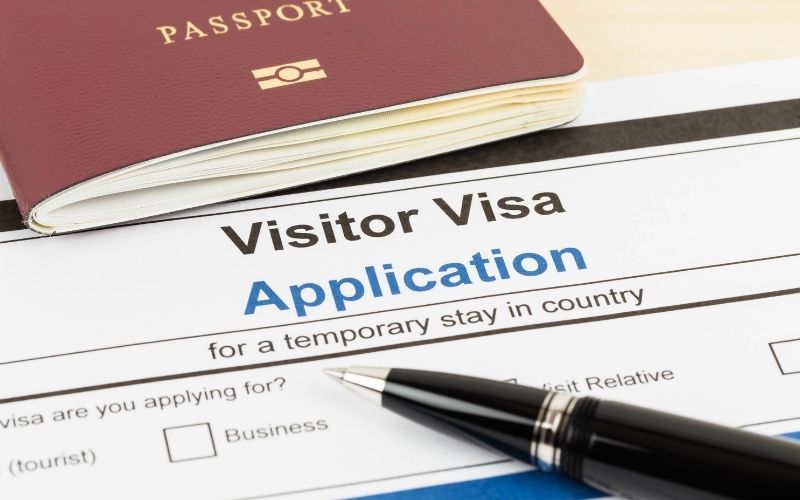
The safest approach is always to access cruise bookings and visa applications directly through official websites rather than links sent by email or social media adverts.
If a site looks rushed, contains spelling mistakes or promises “guaranteed approval”, that’s usually a major warning sign.
Read more: Fraudster Jailed for £400,000 Ponzi-Style Cruise Scam That Left Victims Stranded at Ports
9. Currency Exchange And ATM Scams
Cruise passengers often need quick access to local currency, especially in ports where smaller shops and taxis don’t accept cards.
The bad news? Exchange booths in tourist areas don’t always offer fair deals.
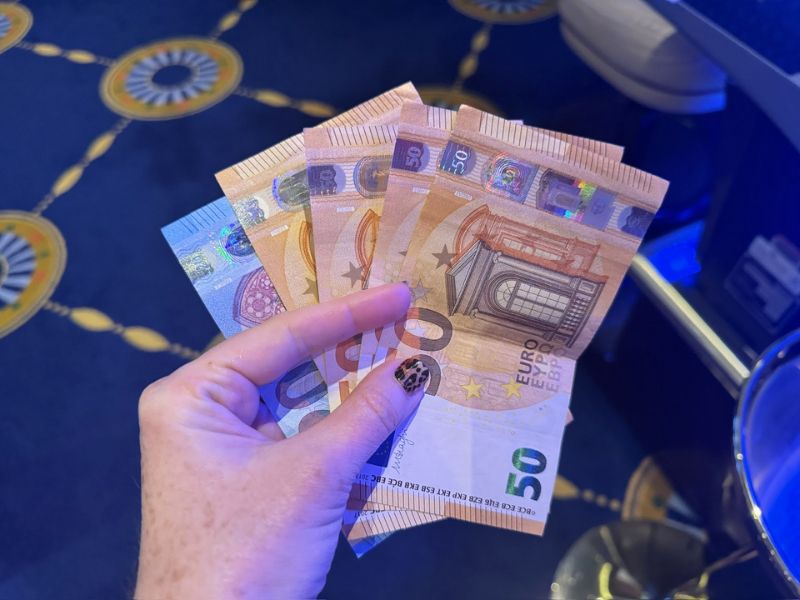
Some advertise “zero commission” while building huge markups into the exchange rate itself. Others rely on confusion around unfamiliar currencies, particularly when travellers are tired or rushing back towards the ship.
ATM scams are another issue in busy tourist areas. Card skimmers, hidden cameras and distraction tactics still exist in some destinations, particularly around standalone cash machines.
One of the most common tricks isn’t technically a scam at all, but it still catches plenty of travellers out – dynamic currency conversion. That’s when a card machine asks whether you’d prefer to pay in your home currency instead of the local one.
It sounds helpful, but the exchange rate is usually much worse.

As a general rule, bank-operated ATMs inside banks are safer than standalone machines in tourist hotspots, and paying in local currency almost always gives a better rate.
What To Do If You Think You’ve Been Scammed
Even careful travellers can get caught out occasionally, so don’t panic if something feels wrong after the fact.
If money has been taken from your card unexpectedly, contact your bank immediately and freeze the card if necessary. Take screenshots, photographs and copies of receipts wherever possible, especially if you need to make an insurance claim later.
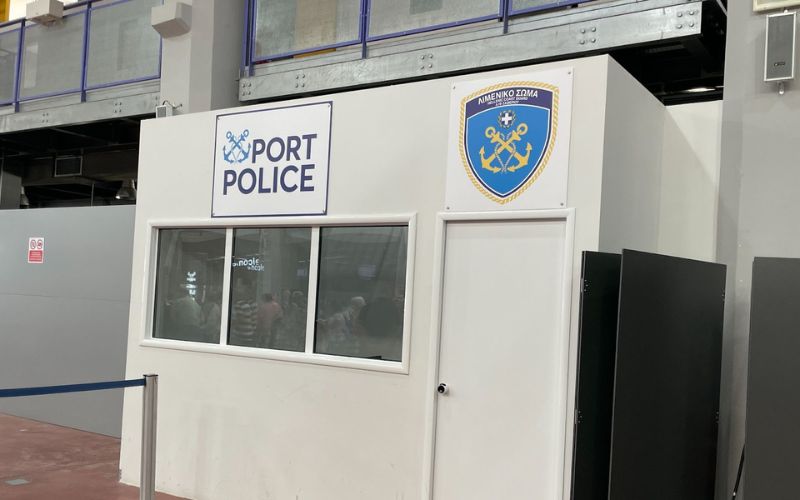
For serious incidents in port, report the issue to local police and let the ship’s guest services or security team know once you’re back onboard. Cruise lines can’t investigate every dispute ashore, but they may be able to advise on local reporting procedures.
Most importantly, don’t let one bad experience overshadow an otherwise brilliant holiday.
A little caution in busy tourist areas is usually all it takes to avoid the vast majority of these scams altogether.
TODAY’S BEST CRUISE DEALS!
Don’t miss these offers…
Final Word
Cruise scams make headlines because they’re frustrating, memorable and often happen when people least expect them. But they’re still the exception rather than the rule.
The vast majority of cruise passengers never experience anything more serious than an overpriced taxi or an overly pushy salesperson ashore. A bit of awareness – and a healthy scepticism towards anything that seems too good to be true – is usually enough to avoid the most common problems.
Cruising remains one of the easiest and most enjoyable ways to see the world. Knowing what to watch out for simply means you can spend less time dealing with hassle in port and more time enjoying the holiday you actually paid for.
