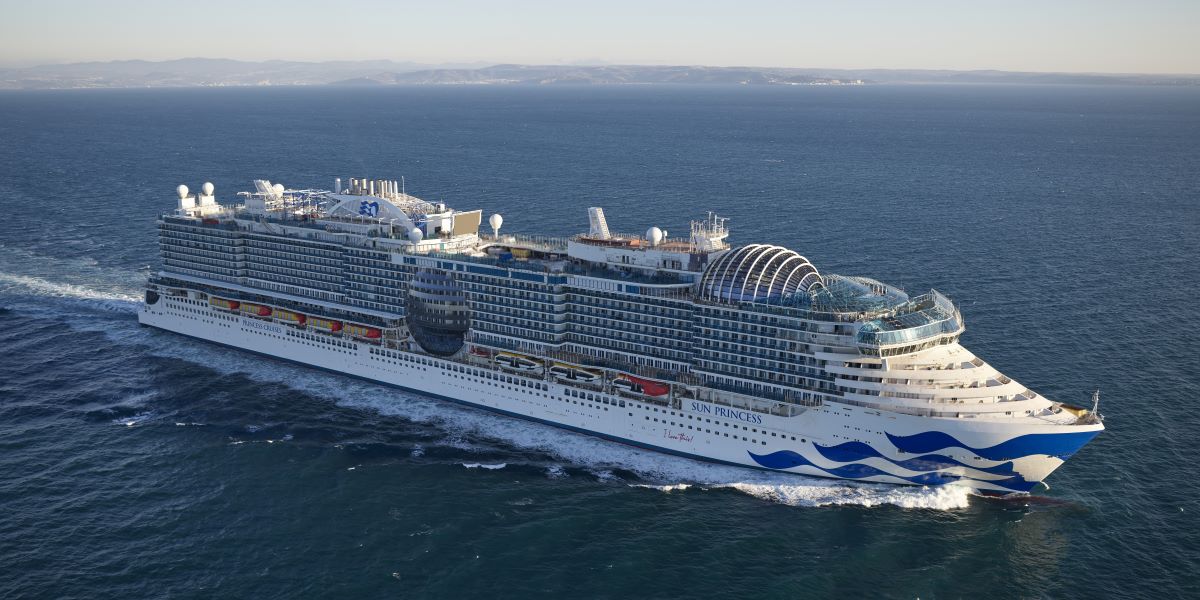
Six cruise passengers faced arrest at Port Canaveral on Friday, 17th July 2026, as Brevard County Sheriff’s Office deputies detained them for outstanding warrants and probation violations. The arrests occurred on what was otherwise a routine embarkation and disembarkation day at one of America’s busiest cruise ports, with three major cruise ships in port simultaneously.
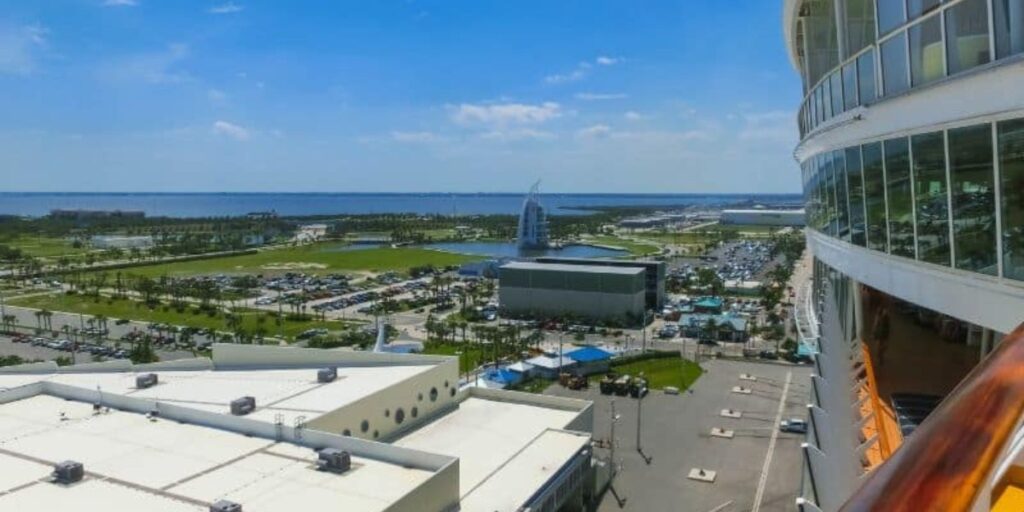
Two of the arrested individuals, 24-year-old Martell Murray and his travelling companion, 24-year-old Kenderia Burney, both from Atlanta, Georgia, never made it aboard their intended vessel. Murray was wanted on a warrant related to violating his release conditions for murder charges, whilst Burney faced a warrant for violation of probation.
The pair had arrived at the port ready to embark on what should have been a holiday at sea. Instead, they were processed and taken to Brevard County Jail, which the sheriff’s office facetiously referred to as “Ivey’s Iron Bar Lodge” in their social media announcement. Both Murray and Burney remain in custody without bond, their cruise plans indefinitely postponed.
The Brevard County Sheriff’s Office has built a reputation for its pointed social media presence, often using humour to highlight arrests and reinforce the message that fugitives will be apprehended regardless of their travel plans. The agency’s Facebook post about these arrests generated significant public attention, underscoring the seriousness with which local law enforcement treats outstanding warrants.
Tampa And South Carolina Residents Face Court Violations
The third and fourth arrests involved individuals with less serious violations but who nonetheless found their cruise plans disrupted. Veronica Hamlet, a 38-year-old from Tampa, Florida, was detained on a warrant for failure to appear in court. Meanwhile, 66-year-old James Brewton from Allendale, South Carolina, faced arrest for a probation violation warrant.
Both Hamlet and Brewton were able to secure relatively modest bonds and gain release the following day. Hamlet posted a $1,000 bond on Saturday, 18th July, whilst Brewton was released the same day after posting a $500 bond. Authorities did not disclose whether the two knew each other or were travelling together, nor whether they were attempting to embark on a new sailing or had just disembarked from a completed voyage.
These arrests highlight how even minor legal infractions can catch up with travellers at cruise terminals, where security screenings and warrant checks have become standard procedure. For Hamlet and Brewton, what should have been a straightforward travel day turned into an unexpected encounter with law enforcement and an overnight stay in county custody.
Two Disembarking Passengers Violated Probation Terms
The final two arrests of the day involved passengers who had completed their cruises but faced legal consequences upon return to United States soil. Both individuals were on felony probation and had not received approval to leave the country, making their cruise holidays direct violations of their probation terms.
The names of these two passengers were not released by authorities, though the Brevard County Sheriff’s Office confirmed they were taken into custody as they disembarked from their vessels. Their situations underscore a critical legal requirement that many on probation may not fully understand: leaving the country, even for a short cruise to nearby Bahamas ports, requires explicit permission from probation officers and the courts.
The consequences of these violations can be severe, potentially including extended probation terms, additional conditions, or even incarceration. For these two passengers, the brief escape that a cruise holiday provided came with a significant legal price tag that will likely impact them long after their fellow passengers have returned to their normal routines.
Three Major Cruise Lines Had Vessels In Port
Whilst the Brevard County Sheriff’s Office did not identify which specific vessels the arrested passengers were sailing on or attempting to board, three cruise ships from three different major cruise lines were docked at Port Canaveral on Friday, 17th July. The cruise lines themselves were not involved in the arrests and there were no reports of poor behaviour or altercations aboard any of the ships.
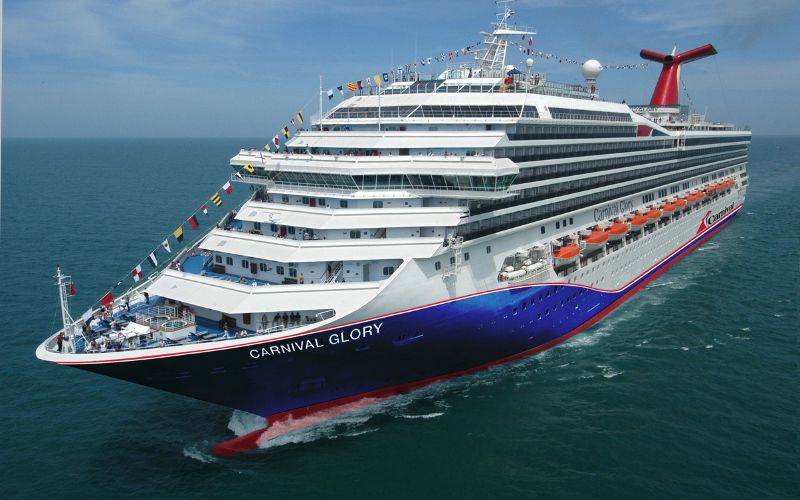
Carnival Cruise Line’s Carnival Glory had just completed a four-night Bahamas itinerary that included calls at Nassau and the cruise line’s newest private destination, Celebration Key. The 2,980-passenger vessel operates year-round short cruises from Port Canaveral, offering both three-night and four-night options that appeal to Florida residents and visitors seeking quick getaways.
Disney Cruise Line’s Disney Wish was also in port after finishing a four-night Bahamas sailing that visited Nassau and Disney’s private island, Castaway Cay. The vessel, which can accommodate up to 4,000 guests when fully booked, has become a staple at Port Canaveral since entering service, offering the same pattern of short three-night and four-night sailings throughout the year.
Royal Caribbean’s Utopia of the Seas represented the largest vessel in port that day, having just returned from a four-night Bahamas cruise calling at Nassau and the cruise line’s acclaimed private island, Perfect Day at CocoCay. This Oasis-class ship can host 5,668 guests at double occupancy and operates year-round short cruises from the Space Coast port.
The ship has quickly become one of Royal Caribbean’s most popular vessels for quick weekend getaways since its deployment to Port Canaveral.
No Impact On Vessel Operations Or Schedules
Despite the multiple arrests taking place at the terminal, none of the three cruise ships experienced any delays or operational disruptions. All vessels departed on schedule for their next sailings, three-night weekend cruises that represent a popular option for travellers seeking short breaks.
The seamless continuation of operations reflects the well-established procedures that exist between cruise lines, port authorities, and local law enforcement. These protocols ensure that security matters are handled efficiently without impacting the thousands of other passengers who are lawfully embarking or disembarking on any given day.
Port Canaveral has evolved into one of the world’s busiest cruise ports, regularly handling multiple large vessels simultaneously. The terminal infrastructure and security systems are designed to process thousands of passengers each day whilst maintaining thorough screening procedures that can identify individuals with outstanding warrants or other legal issues.
Warrant Checks Standard Procedure At Cruise Terminals
Background checks for outstanding warrants have become increasingly common at cruise ports across the United States, making arrests a regular occurrence for those attempting to flee legal troubles by taking to the seas. Law enforcement agencies view cruise terminals as opportune locations to apprehend individuals with outstanding warrants, as travellers must present identification and pass through security checkpoints.
The Brevard County Sheriff’s Office made clear its stance on enforcing the law regardless of travel plans. “Whether you’re from Florida or Alaska, if you come to Brevard County and break the law…or in this case have a warrant…you better believe that we will lock you up!” the agency stated in its social media post about the arrests.
This aggressive approach to warrant enforcement at cruise terminals serves multiple purposes. It acts as a deterrent to those considering using cruise travel as an escape from legal responsibilities, provides an opportunity to apprehend individuals who might otherwise be difficult to locate, and reassures the law-abiding public that security at ports remains robust.
History Of Cruise Port Arrests Spans Wide Range
Unfortunately, arrests at cruise ports have become a familiar occurrence across major embarkation points in the United States and beyond. Whilst large-scale incidents such as significant brawls or major altercations remain relatively rare, the steady drumbeat of individual arrests for outstanding warrants continues year-round.
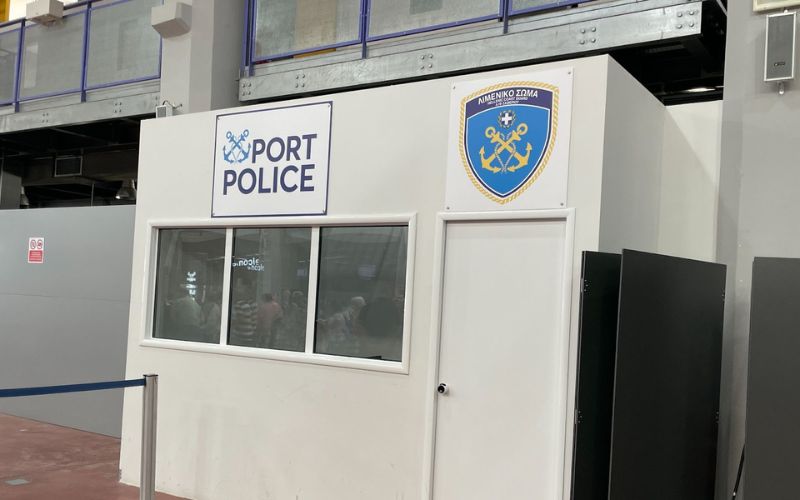
Local law enforcement agencies work closely with port authorities and cruise line security personnel to identify and apprehend individuals with legal issues. Recent years have seen a Kentucky man arrested at PortMiami in December 2024 for more than $100,000 in unpaid child support, demonstrating that even civil matters can result in detention at cruise terminals.
In another notable 2025 case, a Pennsylvania woman was arrested for misappropriating GoFundMe donations, including using the funds to purchase a cruise for herself. The brazen nature of that particular case highlighted how some individuals seem to give little thought to the legal consequences of their actions, even when spending ill-gotten gains in highly monitored public spaces like cruise terminals.
The range of charges that have led to arrests at cruise ports is remarkably broad. Embezzlement, drug possession, casino fraud, planting hidden cameras in cabins or public spaces, credit card fraud, use of forged documents, sexual assault, and numerous other offences have all resulted in passengers being detained either before embarking on their holidays or immediately upon return.
Industry Cooperation Essential For Port Security
The cruise industry has invested heavily in security measures in recent decades, working hand-in-hand with law enforcement to ensure passenger safety whilst also helping to identify individuals who should not be travelling. Modern cruise terminals employ sophisticated identification verification systems, watchlist screening, and coordination with local, state, and federal law enforcement databases.
This cooperation extends beyond just checking for outstanding warrants. Cruise lines maintain their own security protocols and can deny boarding to individuals who pose safety risks or have violated company policies on previous sailings. The multi-layered approach creates an environment where both cruise line security personnel and law enforcement officers play crucial roles in maintaining order.
For the vast majority of cruise passengers who have no legal issues, these security measures are barely noticeable and cause no delays or inconvenience. The systems are designed to flag only those individuals with outstanding warrants or other legal problems, allowing the smooth processing of thousands of law-abiding travellers each day.
As cruise travel continues to grow in popularity, with short sailings from ports like Port Canaveral particularly appealing to those seeking quick getaways, the coordination between cruise lines and law enforcement will remain essential. The six arrests on 17th July 2026 serve as a clear reminder that attempting to use cruise travel as an escape from legal responsibilities is a strategy that will almost certainly fail, leaving would-be holidaymakers in custody rather than at sea.
TODAY’S BEST CRUISE DEALS!
Don’t miss these offers…