Norwegian Cruise Line has cancelled the final scheduled departure for Norwegian Sky, citing ongoing regional instability in the Middle East. Affected passengers are receiving full refunds and enhanced future cruise credits.
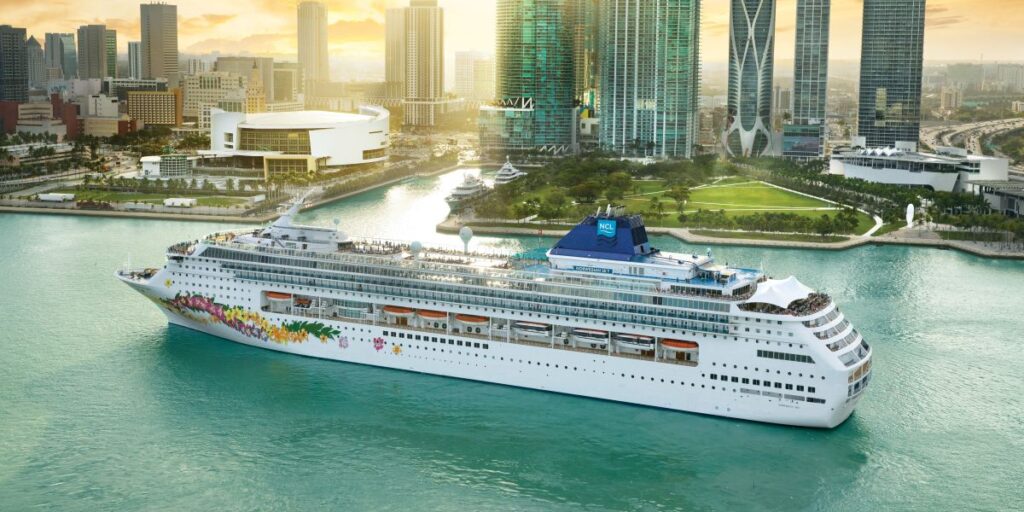
The Miami-based cruise operator made the decision to scrap the 21-day repositioning voyage that was scheduled to depart from Piraeus (Athens), Greece, on 9th September 2026. The cruise was originally designed to conclude in Dubai, United Arab Emirates, but had already been modified once in response to escalating regional tensions.
Norwegian Cruise Line had initially attempted to salvage the voyage by shortening the itinerary to 18 days and rerouting the ship to terminate in Muscat, Oman, thereby avoiding the Persian Gulf entirely. However, the cruise line ultimately determined that even this revised plan could not meet the safety and experience standards expected by passengers.
Cruise Line Prioritises Guest Experience And Safety Standards
In an email notification sent to booked guests, Norwegian Cruise Line explained the rationale behind the complete cancellation. “Given the ongoing uncertainty in the region, we no longer have the level of confidence needed to deliver the experience you expect and deserve,” the company stated in the communication.
The decision reflects the cruise industry’s increasingly cautious approach to operating in geopolitically sensitive regions. With tensions in the Middle East remaining unpredictable, cruise operators are prioritising passenger wellbeing over commercial considerations, even when it means absorbing significant financial losses associated with cancelled voyages.
The cancellation also acknowledges passenger sentiment, as many guests who had booked the repositioning cruise had already expressed substantial safety concerns when the initial itinerary modifications were announced. Those passengers had been permitted to cancel their bookings without penalties when the first changes were revealed, indicating that demand for the voyage had likely diminished considerably.
Enhanced Compensation Package Offers Significant Future Cruise Value
Norwegian Cruise Line has implemented a comprehensive compensation structure for affected passengers that goes beyond standard industry practice. When the voyage was initially shortened from 21 days to 18 days, guests were offered a prorated 15% refund to account for the reduced sailing duration.
At that time, the cruise line also provided a 15% future cruise credit as a goodwill gesture. With the complete cancellation now in effect, all passengers will receive full refunds processed automatically to their original payment methods.
The timeline for these refunds was not specified in the communication, though industry standard practice typically sees refunds completed within 30 to 45 days of cancellation. More significantly, the future cruise credit compensation has been substantially enhanced.
Rather than the initial 15% credit offered with the itinerary modification, passengers will now receive an additional 50% future cruise credit based on the fare paid for the cancelled voyage. This represents a considerable increase in compensation value and demonstrates Norwegian Cruise Line’s effort to retain customer loyalty despite the disappointment of cancellation.
Generous Terms Applied To Future Cruise Credit Usage
The future cruise credits come with notably flexible terms that make them particularly valuable for affected passengers. The credits can be applied to any published Norwegian Cruise Line sailing departing through 31st December 2027, providing guests with more than two years to utilise the compensation.
This extended validity period is considerably more generous than many cruise line policies, which often restrict future cruise credits to sailings within 12 to 18 months of issuance. The broader timeframe allows passengers to plan around their personal schedules, select from a wider range of itineraries, and potentially use the credits during preferred travel seasons.
Norwegian Cruise Line specifically noted that the enhanced compensation package is offered “as appreciation for the guests’ flexibility and understanding throughout the process.” This language acknowledges the significant inconvenience experienced by passengers who have now endured multiple itinerary changes before ultimately seeing their voyage cancelled entirely.
The combination of full refunds plus 50% additional credit means that passengers receive both their complete initial investment returned and a substantial incentive to book future travel with the cruise line. For a passenger who paid £2,000 for the cancelled repositioning cruise, this translates to £2,000 in cash refunds plus £1,000 in future cruise credits – a total value of £3,000.
Norwegian Sky’s Transition To New Ownership And Operations
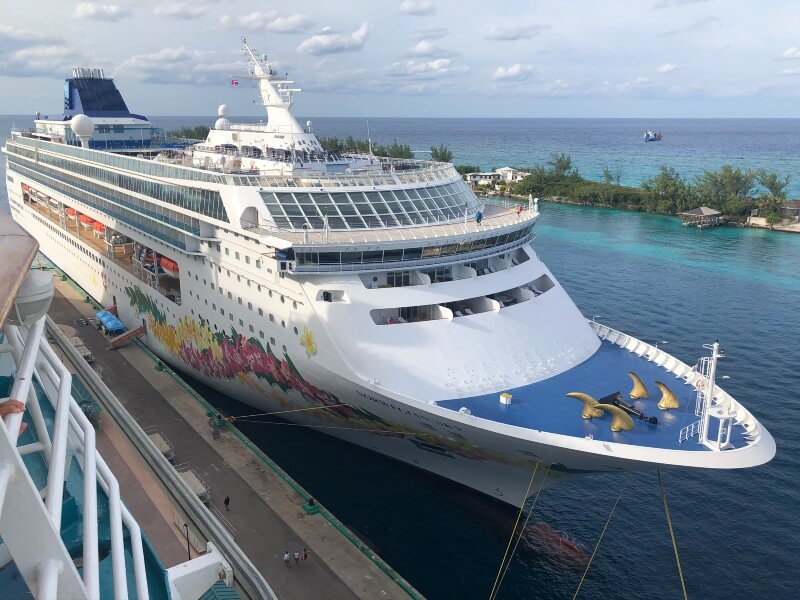
The cancellation of this final sailing marks the end of Norwegian Sky’s service under the Norwegian Cruise Line brand, but the 28-year-old vessel is not destined for the scrapyard. Instead, the ship has been chartered by Cordelia Cruises, an emerging cruise operator focusing on the Indian market.
Norwegian Sky will be transferred to its new operator and eventually sold, with plans to debut under the new name Cordelia Sky in October 2026. This represents a significant development for the Indian cruise market, where Cordelia Cruises has been working to establish homeport cruising operations catering to the growing middle-class travel market in the subcontinent.
Under Cordelia Cruises’ operation, the vessel will primarily offer roundtrip and one-way departures from Mumbai to Goa, two of India’s most popular coastal destinations. These itineraries are expected to appeal to domestic travellers seeking accessible cruise experiences without the need for international flights or lengthy positioning travel.
Indian Market Deployment Represents Growing Regional Focus
Additionally, Cordelia Sky will offer occasional two-night, three-day “cruises to nowhere” – short sailings that depart and return to the same port without making intermediate stops. These shorter voyages have proven popular in Asian markets where potential passengers may be new to cruising and prefer to test the experience with a minimal time and financial commitment.
The Indian cruise market has been identified by multiple operators as a region with substantial growth potential. With a large population, increasing disposable income among middle-class families, and limited current cruise capacity, India represents an opportunity for operators willing to invest in market development and cultural adaptation.
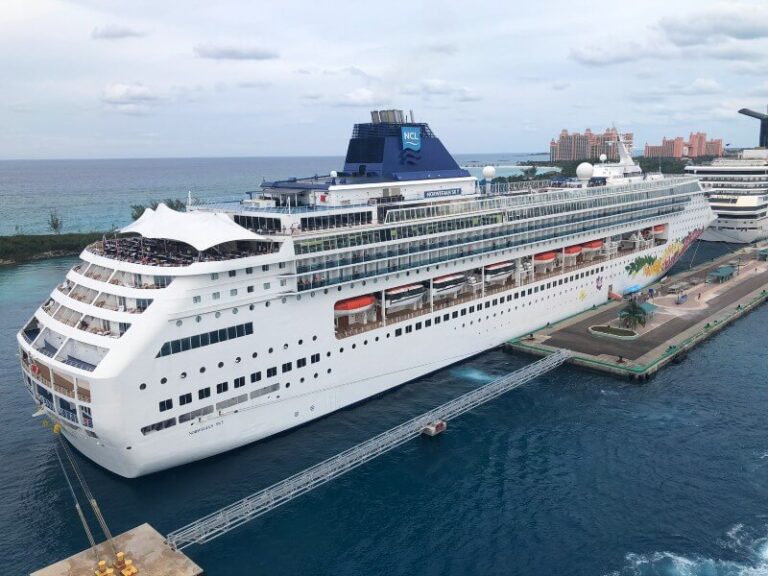
Cordelia Cruises’ acquisition of Norwegian Sky provides the company with significantly expanded capacity compared to its current operations. The vessel, originally built in 1999 as Pride of Aloha for Norwegian Cruise Line’s now-defunct NCL America brand, has a gross tonnage of approximately 77,000 and can accommodate around 2,000 passengers in double occupancy.
Historical Context Of Norwegian Sky’s Service Record
Norwegian Sky has experienced a varied operational history since its construction at the Lloyd Werft shipyard in Bremerhaven, Germany. The ship initially entered service as Pride of Aloha, operating interisland Hawaii itineraries under US registry with an American crew – a costly operation that Norwegian Cruise Line ultimately determined to be financially unsustainable.
After the Hawaii experiment concluded, the vessel was reflagged and renamed Norwegian Sky, joining the main Norwegian Cruise Line fleet for Caribbean and other international deployments. The ship underwent several refurbishments over the years to maintain competitive standards, though it remained one of the cruise line’s smaller and older vessels as the company invested heavily in new, larger tonnage.
Norwegian Cruise Line has systematically been refreshing its fleet composition, with Norwegian Sky representing older capacity that has become increasingly surplus to requirements as newer, more efficient vessels enter service. The company’s decision to charter and eventually sell the ship aligns with this broader fleet modernisation strategy.
Repositioning Cruises Present Unique Operational Challenges
The cancelled voyage highlights the particular vulnerabilities of repositioning cruises, which move ships between seasonal deployment regions and often traverse geopolitically sensitive areas. These sailings typically offer exceptional value for passengers due to their one-way nature and longer duration, but they also carry operational risks that regular weekly itineraries do not face.
Repositioning cruises through the Middle East have become increasingly problematic for cruise operators in recent years due to recurring regional instabilities. The route through the Suez Canal and surrounding waters offers the most direct path between the Mediterranean and Asia, but security concerns have repeatedly forced cruise lines to modify or cancel planned transits.
Alternative routing around the Cape of Good Hope at the southern tip of Africa adds considerable time, fuel costs, and operational complexity to repositioning voyages, making such diversions commercially challenging. Norwegian Cruise Line’s decision to cancel rather than dramatically reroute Norwegian Sky’s final voyage reflects the limited viability of such alternatives for this particular situation.
Industry-Wide Impact Of Middle East Routing Challenges
The broader cruise industry continues to grapple with routing challenges in multiple regions globally, with the Middle East representing just one of several areas where geopolitical instability affects cruise operations. Cruise lines have invested substantial resources in security intelligence and risk assessment capabilities to make informed decisions about where their vessels can safely and responsibly operate.
Passenger safety remains the paramount concern for all major cruise operators, with companies consistently demonstrating willingness to absorb significant financial losses rather than expose guests and crew to elevated risk. Norwegian Cruise Line’s handling of the Norwegian Sky situation exemplifies this industry-wide priority, even as the cancellation disappoints passengers who had been anticipating the voyage.
For affected passengers, the combination of full refunds and enhanced future cruise credits provides financial compensation, though it cannot fully replace the lost opportunity to experience a unique repositioning itinerary. Many passengers specifically book such sailings for their distinctive routing and extended duration, making replacement with standard weekly Caribbean cruises an imperfect substitute.
TODAY’S BEST CRUISE DEALS!
Don’t miss these offers…