Holland America Line has issued an urgent appeal to guests booked on a summer 2026 Alaska sailing, offering substantial compensation to passengers willing to voluntarily change their plans after the cruise line oversold cabins on the 22nd July 2026 departure aboard Zaandam.
The Seattle-based cruise line is now scrambling to manage the booking error by offering affected passengers a full refund plus a future cruise credit equivalent to the value of their cancelled voyage – essentially providing a complimentary cruise to those willing to step aside. The situation highlights an increasingly common challenge facing the cruise industry as demand for Alaska itineraries continues to surge.
Compensation Package Designed To Encourage Voluntary Rebooking
Holland America Line’s offer to overbooked passengers represents one of the most generous compensation packages seen in recent cruise industry overbooking situations. Passengers who volunteer to change their travel plans will receive a 100 per cent refund of all money paid for the 22nd July 2026 sailing, including their cruise fare, taxes, fees, and any pre-purchased items such as beverage packages, excursions, or speciality dining.
Beyond the full refund, volunteers will also receive a future cruise credit equal to the total amount refunded – effectively doubling their money and providing a free cruise of equivalent value to use on a future Holland America sailing. This credit can typically be applied to any voyage within a specified timeframe, giving passengers considerable flexibility in rebooking.
The cruise line has structured the offer on a first-come, first-served basis, meaning passengers who respond quickly to accept the compensation will be guaranteed the package. Those who delay may find that enough volunteers have already come forward, leaving them on the original sailing without the benefit of the generous offer.
Zaandam’s Alaska Season Proves Unexpectedly Popular
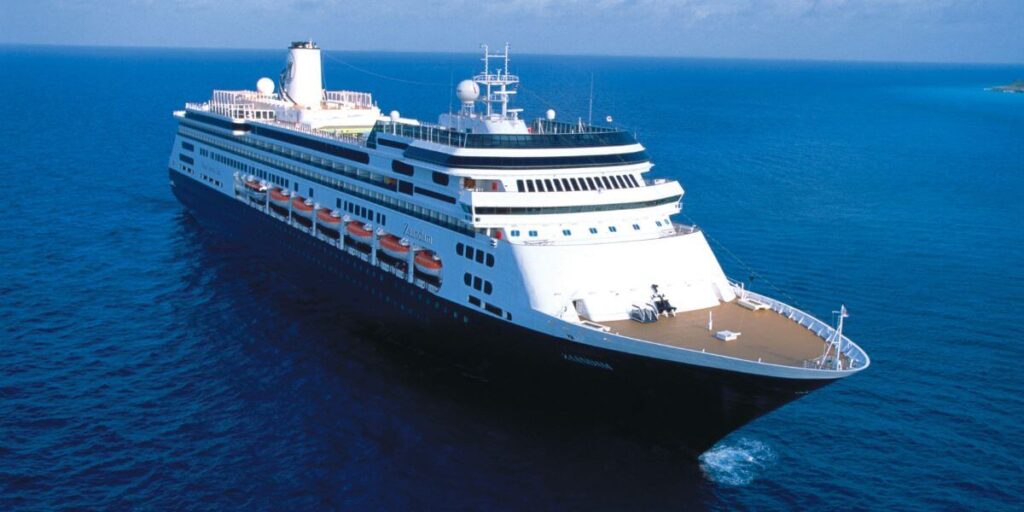
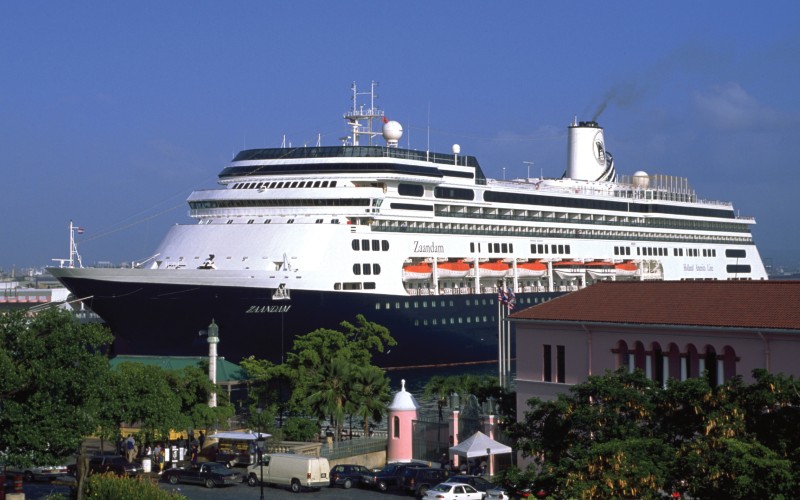
The overbooking situation aboard Zaandam represents a remarkable turnaround for a ship that has faced operational challenges in recent years. The 61,396-tonne vessel, which entered service in 2000, has long been one of Holland America’s smaller and older ships, carrying just 1,432 passengers at double occupancy.
Zaandam underwent significant refurbishment as part of Holland America’s fleet enhancement programme, receiving updates to public spaces, staterooms, and dining venues. These improvements appear to have resonated with passengers, as booking demand for the ship’s Alaska programme has exceeded the cruise line’s expectations.
The 22nd July 2026 departure falls squarely in peak Alaska cruise season, when wildlife viewing opportunities, weather conditions, and daylight hours are at their optimal levels. This prime timing likely contributed to the exceptional booking demand that led to the overselling situation.
Alaska cruises have experienced explosive demand growth following the pandemic recovery period, with cruise lines reporting record booking levels for Glacier Bay transits, Inside Passage routes, and round-trip Vancouver sailings. Holland America Line, which has been sailing to Alaska for more than 75 years, holds a particularly strong position in this market segment.
Industry-Wide Trend Of Overbooking Gaining Attention
The Holland America situation with Zaandam is far from an isolated incident within the cruise industry. Royal Caribbean International has faced similar overbooking challenges on multiple occasions, issuing comparable appeals to passengers with offers of refunds and future cruise credits.
Overbooking has long been a standard practice in the travel industry, employed by airlines, hotels, and cruise lines to maximize revenue and account for expected cancellations. The strategy relies on statistical models that predict a certain percentage of bookings will be cancelled or modified before departure, allowing companies to sell slightly more inventory than physically exists.
However, when cancellation rates fall below projections – often due to improved booking confidence, attractive itineraries, or favourable pricing – companies find themselves with more confirmed passengers than available accommodation. The cruise industry’s overbooking practices have become more visible to consumers in recent years as social media amplifies individual experiences and cruise forums share compensation offers.
Unlike airlines, which can more easily accommodate bumped passengers on subsequent flights within hours, cruise lines face greater logistical challenges. A passenger who gives up their cabin cannot simply board the next day’s sailing, as cruise itineraries operate on weekly schedules with different ports and routes.
How Cruise Lines Manage Oversold Situations
When a cruise line determines that a sailing has been oversold, the company must quickly implement strategies to reduce passenger numbers to match available cabin inventory. The preferred method involves offering voluntary compensation packages that incentivise passengers to reschedule, avoiding the more problematic scenario of involuntarily denying boarding to confirmed guests.
Cruise lines typically begin with modest offers and increase compensation levels if insufficient volunteers come forward. Holland America’s immediate offer of a full refund plus equivalent future cruise credit suggests the company is keen to resolve the Zaandam situation quickly and avoid negative publicity.
The first-come, first-served structure creates urgency among passengers who might be flexible with their travel dates. Those with rigid schedules or special occasion celebrations tied to the specific departure will likely decline the offer, whilst passengers with greater flexibility may view the compensation as an attractive opportunity.
If insufficient volunteers accept the offer, cruise lines may increase compensation or begin contacting passengers individually with tailored packages. In worst-case scenarios where voluntary solutions fail, cruise lines may be forced to involuntarily deny boarding to passengers with confirmed reservations – a situation that generates significant customer dissatisfaction and potential legal liability.
The cruise line will also examine its cabin inventory management systems to understand how the overbooking occurred. Whilst some level of overselling is intentional strategy, the magnitude of this situation suggests either unusually low cancellation rates or a booking system error that allowed too many reservations to be confirmed.
Passenger Rights And Expectations In Overbooking Scenarios
Passengers affected by cruise overbooking situations have several important rights and considerations to keep in mind. Those who volunteer to accept compensation packages should carefully review the terms and conditions attached to future cruise credits, including expiration dates, blackout periods, and applicable voyage categories.
Future cruise credits typically must be used within one to two years of issuance and may have restrictions on peak travel periods, specific ships, or destination categories. Passengers should confirm whether the credit can be applied to the cruise fare only or also covers taxes, fees, and port charges – details that significantly affect the practical value of the offer.
Travellers who have purchased non-refundable airfare, hotel accommodation, or shore excursions in conjunction with their cruise face additional complications. Holland America’s standard practice includes reimbursement for reasonable expenses incurred due to cruise line-caused cancellations, though passengers should document all costs and communicate with the cruise line’s customer service department.
Travel insurance policies may or may not cover losses related to cruise line overbooking, depending on the specific policy terms and coverage categories selected. Trip cancellation insurance typically covers cancellations due to passenger circumstances rather than cruise line operational decisions, making it an unlikely source of compensation in this scenario.
Passengers who are denied boarding involuntarily – meaning they did not volunteer to give up their cabin – may have stronger grounds for compensation beyond what the cruise line offers voluntarily. Consumer protection regulations vary by jurisdiction, but involuntary denied boarding typically entitles passengers to more substantial remedies than those who volunteer.
Zaandam’s Historical Context And Fleet Position
Zaandam joined the Holland America Line fleet in May 2000 as the second R-class ship, following sister vessel Rotterdam. The ship was built by Fincantieri’s Marghera shipyard in Italy and represented a significant design evolution for Holland America, introducing larger vessels with expanded amenities whilst maintaining the line’s traditional elegance.
The ship spans 780 feet in length and features 10 passenger decks, with accommodation for 1,432 guests at double occupancy and up to 1,916 at maximum capacity. Zaandam’s interior design pays homage to Dutch musical heritage, with public spaces featuring an extensive collection of guitars signed by legendary musicians including Queen, Eric Clapton, and the Rolling Stones.
Throughout its operational history, Zaandam has sailed diverse itineraries including Panama Canal transits, South America explorations, and seasonal Alaska deployments. The vessel has undergone multiple refurbishment programmes to keep its amenities current with evolving passenger expectations and Holland America’s brand standards.
In recent years, Zaandam gained international attention during the early months of the COVID-19 pandemic when the ship became stranded at sea for weeks with confirmed coronavirus cases aboard. The vessel eventually received humanitarian permission to transit the Panama Canal and disembark passengers in Florida, though the incident remained a challenging chapter in the ship’s history.
The current overbooking situation suggests Zaandam has successfully moved beyond its pandemic-era challenges and regained strong market appeal. Holland America’s decision to deploy the vessel to Alaska – one of the company’s signature destination regions – indicates confidence in the ship’s ability to deliver the premium experience the line’s loyal passengers expect.
Alaska Cruise Market Dynamics And Demand Pressures
The overbooking of Zaandam’s 22nd July 2026 Alaska sailing reflects broader market dynamics that have made Alaska one of the most competitive and sought-after cruise destinations globally. The region’s dramatic landscapes, abundant wildlife, and cultural attractions draw more than one million cruise passengers annually during the compressed May-to-September season.
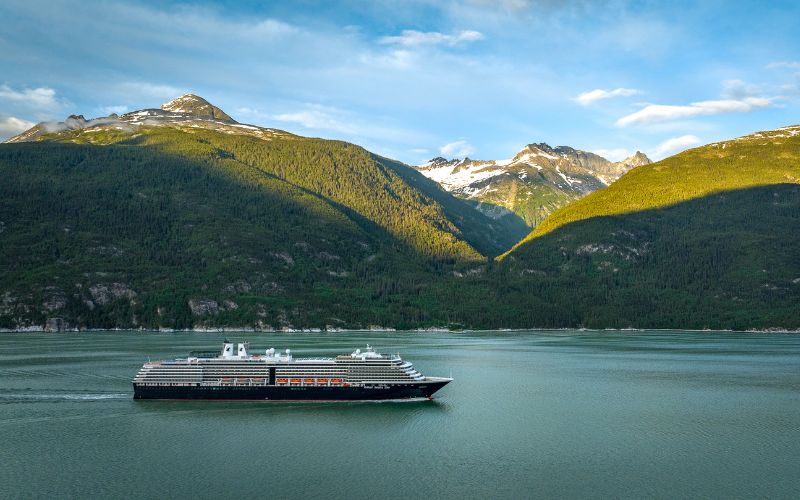
Holland America Line holds a particularly strong position in the Alaska market, operating more ships in the region than most competitors and maintaining its own land-tour infrastructure through Holland America Princess Alaska Tours. The company’s Alaska programme includes exclusive access to proprietary wilderness lodges and motorcoaches that extend cruise vacations into the interior.
Peak summer weeks in July and early August command premium pricing as families with school-age children seek vacation opportunities during traditional holiday periods. The specific 22nd July 2026 departure date falls within this high-demand window, explaining why bookings exceeded available capacity despite the voyage being more than two years away.
Environmental regulations and port infrastructure limitations constrain the number of ships that can operate simultaneously in Alaska, creating supply restrictions that intensify booking competition. Glacier Bay National Park permits only two large cruise ships per day, making itineraries that include this highlight particularly desirable and quick to sell out.
The strong advance booking patterns for Alaska sailings mean cruise lines must manage inventory carefully to avoid both underselling – which leaves revenue on the table – and overselling – which creates the passenger relations challenges Holland America now faces with Zaandam.
Looking Ahead For Holland America And Affected Passengers
Holland America Line now faces the challenge of managing passenger communications, processing volunteer acceptances, and ensuring smooth operations for the eventual sailing with corrected passenger numbers. The cruise line’s customer service teams will field inquiries from affected passengers weighing whether to accept the compensation offer or maintain their original plans.
For passengers who volunteer to give up their cabins, the process of selecting alternative sailings will require coordination with Holland America’s reservations department. The cruise line may offer guidance on comparable Alaska departures with availability, though peak summer dates on popular ships may have limited space.
Those who remain on the 22nd July 2026 Zaandam sailing can expect the cruise line to ensure a positive experience, conscious that the overbooking situation has already created potential goodwill challenges. Holland America’s operational teams will likely be particularly attentive to service delivery and passenger satisfaction on this voyage.
The incident may prompt Holland America Line to review its inventory management practices and overbooking algorithms to reduce the likelihood of similar situations developing on future sailings. Whilst some level of strategic overbooking will likely continue as industry standard practice, the visibility of passenger compensation offers on social media increases reputational risks.
For the broader cruise industry, the Zaandam situation reinforces the importance of transparent communication when operational challenges arise. Cruise lines that proactively offer fair compensation and treat affected passengers with respect typically weather overbooking incidents with minimal long-term brand damage.
TODAY’S BEST CRUISE DEALS!
Don’t miss these offers…