
Cruise ship excursions are marketed as safe, relaxing ways to explore a destination, but not all risks are visible in a brochure. While serious incidents are rare, accidents can and do happen, especially in unfamiliar ocean environments.

Many passengers assume that if a cruise line sells or recommends an excursion, it must be suitable for everyone. In reality, conditions such as currents, tides and seasonal weather can significantly affect the safety of common beach and snorkelling trips.
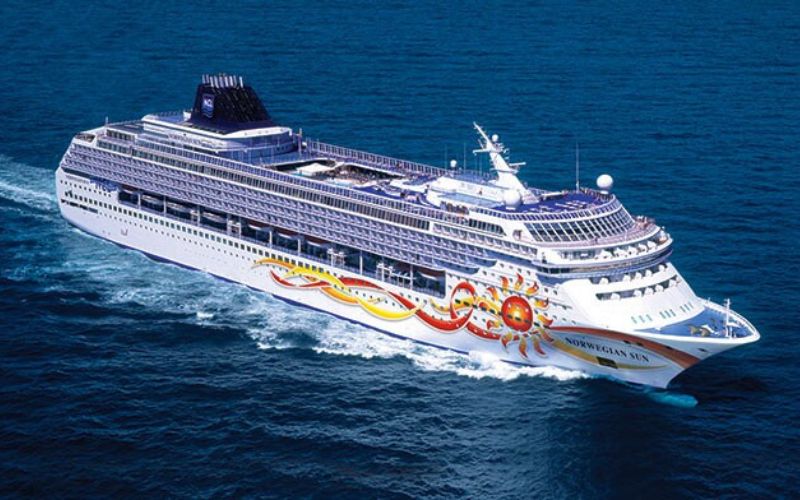
One case that brought renewed attention to this issue involved a family holiday onboard Norwegian Getaway and a shore visit to Horseshoe Bay in Bermuda.
A Tragic Example From A Cruise Excursion
The case centres on Hyon Duk Shin, who was visiting Horseshoe Bay with his wife Yanli Gong, their two young sons and Shin’s mother in March 2024.
While enjoying time in the water, Shin reportedly saw a child being pulled away from shore by strong currents and went to help. He managed to assist the child but was then overcome himself by a powerful undertow.
Because the visit took place outside of Bermuda’s peak tourist season, no lifeguards were stationed at the beach that day. Despite attempts by bystanders to rescue him, he could not be revived.
The incident was witnessed by his family and later became the focus of a legal case.
What The Lawsuit Highlights
The family later took legal action against the cruise line, arguing that they had not been given sufficient information about potential risks before joining the excursion.
Their complaint focused on several key points:
- The excursion was promoted as “easy” and suitable for all guests
- There were no clear warnings about rip currents
- The trip took place at a time of year when lifeguards were not on duty
- Previous incidents and official safety warnings were not highlighted
Their argument was that, had they been fully informed, they would have made a different decision about taking part in the excursion.
Why Excursion Labels Can Be Misleading
Cruise lines often rate excursions using simple activity levels such as “easy,” “moderate” or “strenuous.” These labels usually refer to physical effort, not environmental risk.
A calm-looking beach can still present hidden dangers, particularly for those unfamiliar with local sea conditions. Rip currents, tides and changing weather can all create risks even for strong swimmers.
While many excursions are run safely every day, these systems show why passengers should not rely solely on activity ratings when deciding what to book.
Other Incidents That Raised Similar Questions
Cases like this are not common, but they are not unheard of.
There have been other reported drowning incidents linked to cruise holidays in destinations such as the Bahamas and Greece, drawing attention to how quickly conditions can change in coastal areas.
While these events remain rare compared to the millions of people who cruise safely each year, they serve as a reminder that the ocean can be unpredictable.
What Cruise Passengers Can Do To Stay Safer
Passengers can reduce risk by taking a few simple precautions before booking beach or water-based excursions:
- Check local safety advice for the destination
- Ask whether lifeguards are present year-round
- Look beyond the cruise line’s activity rating
- Be cautious of strong winds, flags or warning signs
- Avoid swimming alone in unfamiliar waters
This type of case is likely to continue influencing how cruise lines describe their shore excursions and the level of detail they provide to guests.
For passengers, the key takeaway is simple. Even “easy” excursions deserve careful thought, especially when open water is involved.
TODAY’S BEST CRUISE DEALS!
Don’t miss these offers…
