Barcelona Cruise Port has secured approval to construct a state-of-the-art Terminal C, representing a €104.5 million investment that will transform the port’s infrastructure through 2030.
The Port of Barcelona’s Board of Directors greenlit the ambitious redevelopment on 30th October 2026, extending the port operator’s contract through 2050 with an optional extension to 2053.
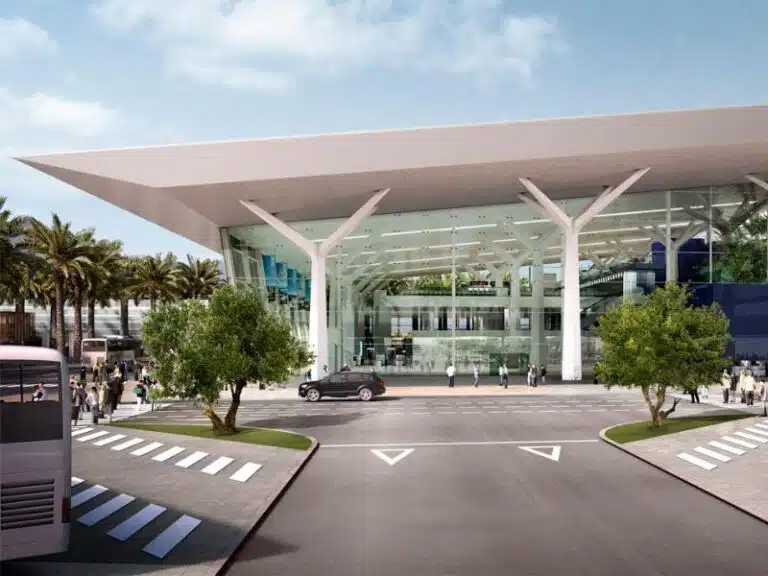
The approved terminal will span 11,253 square metres (approximately 121,100 square feet) at Adossat Wharf, replacing the existing Terminal C facility.
More than €50 million of the total project budget has been allocated specifically for constructing the new building, with the remainder dedicated to supporting infrastructure improvements.
Operations at the current Terminal C ceased on 1st November 2026.
The existing structure will shortly be emptied and demolished to make way for construction, marking the beginning of a multi-year transformation that will redefine Barcelona’s cruise capabilities.
Sustainability Features Take Centre Stage in Terminal Design

Environmental considerations form a cornerstone of the new terminal’s design philosophy.
The facility will incorporate solar power generation capabilities and comprehensive shore power infrastructure, allowing docked cruise vessels to connect to the local electrical grid rather than running auxiliary engines whilst in port.
This shore power provision addresses growing environmental concerns about cruise ship emissions in urban port areas.
By enabling ships to shut down their generators whilst berthed, the infrastructure will significantly reduce air pollution and noise in the surrounding areas.
The project’s environmental credentials align with broader European Union directives requiring major ports to provide shore power connections.
Barcelona’s investment positions the port competitively amongst Mediterranean cruise hubs increasingly expected to offer such facilities.
Comprehensive Port Redesign Extends Beyond Terminal Building
The Terminal C project encompasses substantial modifications to surrounding infrastructure beyond the building itself.
Plans include relocating the current Adossat Wharf access roundabout, a significant logistical undertaking that will reshape traffic flow patterns throughout the cruise port area.
New road networks will be constructed to accommodate the revised layout, improving vehicular access for coaches, taxis, and private vehicles.
A dedicated passenger walkway will be built specifically for embarking and disembarking cruise guests, separating pedestrian and vehicle traffic for enhanced safety and efficiency.
These infrastructure improvements reflect lessons learned from decades of cruise operations at Barcelona, where passenger volume growth has occasionally strained existing facilities.
The redesign prioritises passenger experience whilst maintaining operational efficiency during peak turnaround days when multiple vessels simultaneously embark and disembark thousands of guests.
Contract Extension Secures Long-Term Operational Stability
The Board of Directors’ approval included a significant contract extension for Barcelona Cruise Port, the specialist operator managing cruise terminal facilities at the port.
The agreement extends operations through 2050, with provisions allowing continuation through 2053 if both parties agree.
This 24-year commitment (potentially extending to 27 years) provides substantial security for the operator’s major capital investment.
Long-term contracts of this nature are increasingly common in cruise port development, where infrastructure investments require extended periods to generate returns.
Francesc Grau, General Manager of Barcelona Cruise Port, emphasised the project’s significance:
“The new Terminal C will allow us to deliver a modern, efficient and sustainable facility that enhances the cruise experience whilst supporting Barcelona’s long-term development as a leading cruise destination.”
The extended contract also demonstrates Barcelona’s commitment to maintaining its position as a premier Mediterranean homeport, competing with facilities in Civitavecchia, Genoa, Marseille, and other regional ports.
Port Consolidation Strategy Reduces Terminal Count
When Terminal C enters service, currently projected for 2030, Barcelona will implement a consolidation strategy affecting its terminal portfolio.
Terminals A and B, two older facilities, will be demolished following the new terminal’s completion.
This strategic consolidation will reduce Barcelona’s total cruise terminal count from seven to five.
The newly constructed Terminal C is designed to accommodate up to 7,000 simultaneous passengers, a capacity that will offset the loss of the two older terminals.
The consolidation reflects evolving cruise industry dynamics, where larger vessels carrying more passengers have replaced the numerous mid-sized ships that once characterised Mediterranean itineraries.
Modern terminals designed for efficiency can process passenger volumes that previously required multiple older facilities.
Port authorities have not released an updated construction timeline following the October announcement, though they reconfirmed the 7,000 simultaneous passenger capacity.
The project was initially announced in July 2025 with a 2030 completion target, a timeline that appears to remain operative.
Barcelona’s Ongoing Efforts to Manage Cruise Tourism Impact
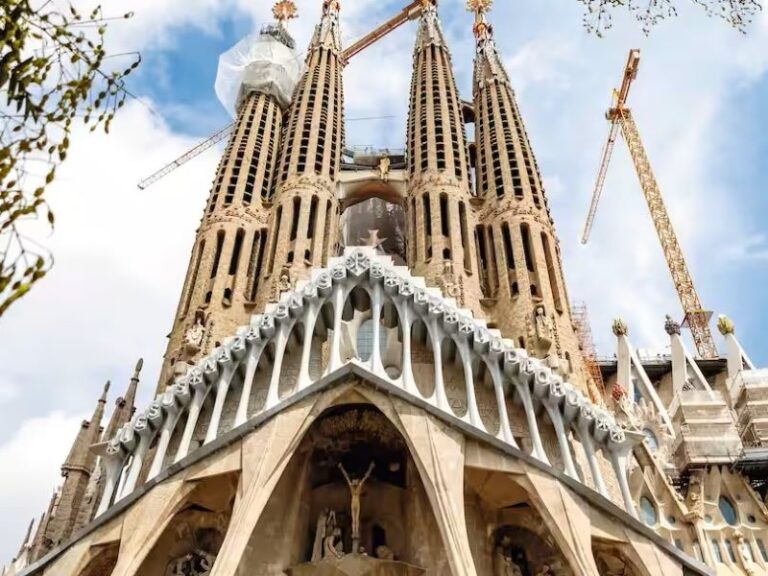
The Terminal C redevelopment occurs within a broader context of Barcelona’s efforts to balance cruise tourism’s economic benefits against residents’ quality-of-life concerns.
In 2023, authorities introduced a partial ban preventing cruise ships from docking at the World Trade Centre’s northern terminal, effectively moving cruise activity away from the city centre.
This policy shift reflected growing resident frustration with overtourism, particularly in Barcelona’s historic Gothic Quarter and along the famous La Rambla boulevard.
By concentrating cruise operations at Adossat Wharf, several kilometres from central Barcelona, authorities aim to reduce the impact of large passenger volumes on the city’s most congested areas.
The strategy mirrors approaches adopted by other heavily-visited cruise ports including Venice, Dubrovnik, and Amsterdam, where authorities have implemented various measures to manage cruise tourism’s impact.
Barcelona’s approach focuses on infrastructure location rather than passenger caps or ship size restrictions, maintaining the port’s commercial attractiveness whilst addressing local concerns.
Recent Infrastructure Improvements Demonstrate Ongoing Port Development

Barcelona’s cruise infrastructure has undergone continuous enhancement in recent years beyond the Terminal C project.
In 2024, Carnival Corporation’s Terminals D and E became the first facilities at the port to receive solar panel installations, pioneering renewable energy generation within Barcelona’s cruise terminal portfolio.
The solar installations demonstrated the port’s commitment to sustainability ahead of the broader Terminal C project.
These terminals now generate a portion of their electrical requirements from renewable sources, reducing dependence on conventional power generation.
In February 2025, MSC Cruises officially opened its Barcelona terminal, a facility built, owned, and operated entirely by the cruise line.
Designed with sustainability as a core principle, the terminal achieved Gold Leadership in Energy and Environmental Design (LEED) certification, one of the construction industry’s most rigorous environmental standards.
MSC’s terminal represents a growing trend of cruise lines investing directly in port infrastructure rather than relying solely on port authorities or third-party operators.
Such investments typically accompany long-term commitments to homeport a significant number of sailings from the facility.
Barcelona’s Position in the Competitive Mediterranean Cruise Market
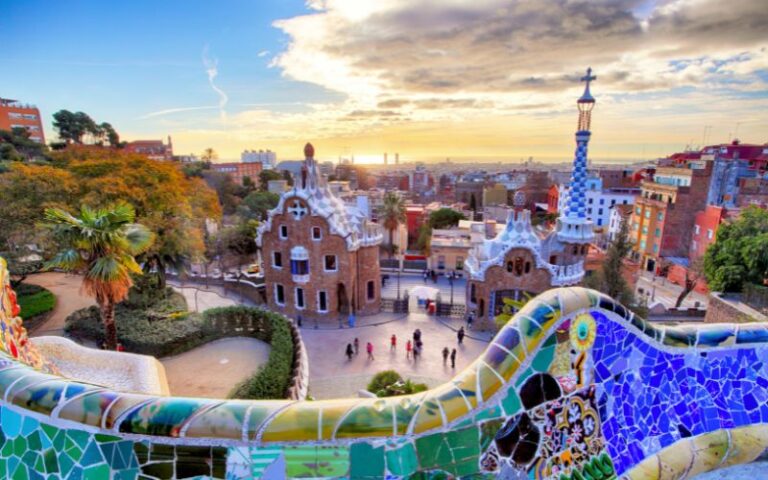
Barcelona ranks amongst Europe’s busiest cruise ports, typically processing more than two million passengers annually in recent years.
The city serves as a major homeport for Mediterranean itineraries, with numerous vessels beginning and ending weeklong sailings there throughout the spring, summer, and autumn seasons.
The port’s popularity stems from Barcelona’s appeal as a destination in its own right, with world-famous architecture by Antoni Gaudí, museums including the Picasso Museum, and vibrant food culture.
Many cruise passengers extend their stays with pre- or post-cruise hotel nights, generating substantial economic benefits beyond cruise operations themselves.
Major cruise lines including Royal Caribbean International, MSC Cruises, Norwegian Cruise Line, and Costa Cruises maintain significant seasonal presence at Barcelona.
The port accommodates vessels ranging from mid-sized expedition ships to the world’s largest cruise vessels, requiring diverse terminal capabilities.
The Terminal C investment underscores Barcelona’s determination to maintain competitiveness as cruise lines increasingly scrutinise ports based on facility quality, sustainability credentials, and operational efficiency.
Modern terminals with shore power and renewable energy generation increasingly influence cruise line deployment decisions.
Future Implications for Barcelona’s Cruise Industry Development
The €104.5 million Terminal C project represents more than infrastructure replacement; it signals Barcelona’s long-term cruise industry strategy extending decades into the future.
The 2050 contract extension and substantial capital investment indicate confidence in Mediterranean cruising’s continued growth despite periodic challenges including economic downturns, health crises, and environmental concerns.
The Board of Directors additionally approved opening bidding processes for contractors to provide building and infrastructure maintenance services at the port.
This housekeeping measure ensures professional facility upkeep throughout the construction period and beyond.
As construction progresses over the coming years, Barcelona Cruise Port will need to manage operations carefully to minimise disruption during the demolition and building phases.
The port’s remaining terminals will handle all cruise traffic during construction, requiring precise coordination amongst cruise lines, terminal operators, and port authorities.
The completed Terminal C will serve as Barcelona’s flagship cruise facility, showcasing Spanish and Catalan capabilities in sustainable infrastructure development whilst cementing the city’s status as one of Europe’s essential cruise destinations.
TODAY’S BEST CRUISE DEALS!
Don’t miss these offers…