
This is a sponsored post for VisitorsCoverage.
Booking a cruise is exciting. Comparing travel insurance policies? Not quite so much. But there’s one little number buried in your insurance documents that could make a huge difference if your voyage doesn’t go to plan.
It’s easy to assume that once you’ve bought travel insurance, you’re covered if something happens and you can’t go on your cruise. And while that might be true, there’s a catch that some travellers don’t realise until it’s too late.
For anyone who’s spent thousands on a dream cruise, it’s a very important factor to consider.
The Number You Really Need To Check
Most travel insurance policies that include trip cancellation cover have a limit on how much you can claim. You’ll usually find this listed under something like ‘Trip Cancellation’ or ‘Cancellation Benefits’ in the policy documents.
The problem is that these limits can vary considerably between policies, and they’re not automatically based on how much your cruise getaway costs.
You might have insurance with a cancellation limit of $1,500 per person, for example. That’s potentially fine if you’ve booked a relatively cheap getaway, but what if you’re heading off on a two-week cruise on the other side of the Atlantic that’s costing several thousand dollars each?

Suddenly, that limit doesn’t look quite so reassuring.
And it’s an easy thing to overlook. When you’re comparing insurance prices, you might be concentrating on the overall cost, medical coverage and whether the policy includes everything you need for a cruise. The cancellation limit can slip down the list of priorities.
Find The Right Insurance For Your Next Cruise
Compare cruise travel insurance plans with VisitorsCoverage and find cover that suits your sailing, your budget and your needs.
How A Couple Could Lose Thousands – Even With Insurance
Let’s imagine a couple who’ve booked a special cruise. Perhaps it’s an anniversary celebration, or a trip they’ve been saving up for over several years.
Between the cruise fare, flights and a couple of nights in a hotel before sailing, they’ve spent $8,000 in total.
They’ve also bought travel insurance, so they’re feeling pretty well prepared.
Unfortunately, a few weeks before departure, one of them becomes seriously ill and their doctor advises them not to travel. They have to cancel the trip, and by this point, none of the $8,000 they’ve paid is refundable.

Thankfully, their policy covers cancellation due to this type of unexpected illness. A relief, right?
But there’s a problem.
Their insurance only provides up to $1,500 in cancellation cover per person. That means the most they could receive between them is $3,000, and that’s assuming both have valid claims and no other restrictions apply.
They could still be left $5,000 out of pocket, despite having travel insurance.
That’s a hypothetical example, of course, and the actual payout would depend on the policy terms, excesses and individual circumstances. But it shows why checking the cancellation limit is so important.
It’s Not Just The Cruise Fare That Matters
When you’re working out how much cancellation cover you need, don’t automatically stop at the price you paid to the cruise line.
Think about everything else you’ve booked as part of your whole trip. Usually there’s a lot!
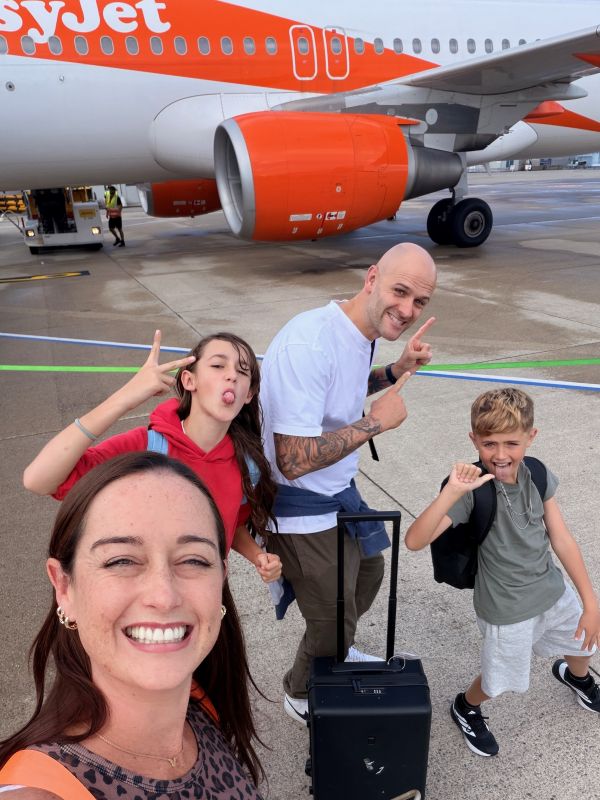
There might be flights to get you to the departure port, a pre-cruise hotel stay, transfers or even excursions you’ve arranged independently.
If you’ve paid for these in advance and wouldn’t get your money back if you cancelled, they could all be relevant when calculating the amount you need to insure.
Of course, this depends on what’s eligible under your particular policy. Anything that’s fully refundable generally doesn’t need protecting in the same way. You can’t get a double payout.
It’s worth adding up those prepaid, non-refundable costs before shopping for insurance, rather than guessing how much cover you need. You can then compare different options to see which offer suitable cancellation limits for your trip.
And There’s Another Catch With Cancellation Cover
Having a high enough cancellation limit is important, but it doesn’t mean you’re guaranteed a refund whenever you decide not to travel.
Standard travel insurance usually only covers cancellation for certain specified reasons.
These might include an unexpected serious illness, an injury or the death of a close family member, depending on the policy. Other circumstances may be included too, but you’ll need to check the exact wording of the policy.

Simply deciding that you’d rather stay at home, or spotting a better cruise deal after you’ve booked, generally won’t qualify.
Some policies offer an optional benefit called Cancel For Any Reason, often shortened to CFAR. As the name suggests, this gives you more flexibility, although it typically only reimburses part of your non-refundable costs and comes with its own eligibility rules and deadlines.
It’s also worth checking how your policy handles pre-existing medical conditions, as these can affect whether a cancellation claim is accepted. The key is to understand both how much you could claim and the circumstances in which you would actually be covered.
Don’t Forget The Other Cruise Insurance Essentials
Cancellation cover might be the detail I’m focusing on here, but it shouldn’t be the only thing you check. While it might be ‘boring’, checking the policy you buy really does matter.
That’s because cruises can come with some insurance considerations that don’t always apply to an ordinary land-based getaway.
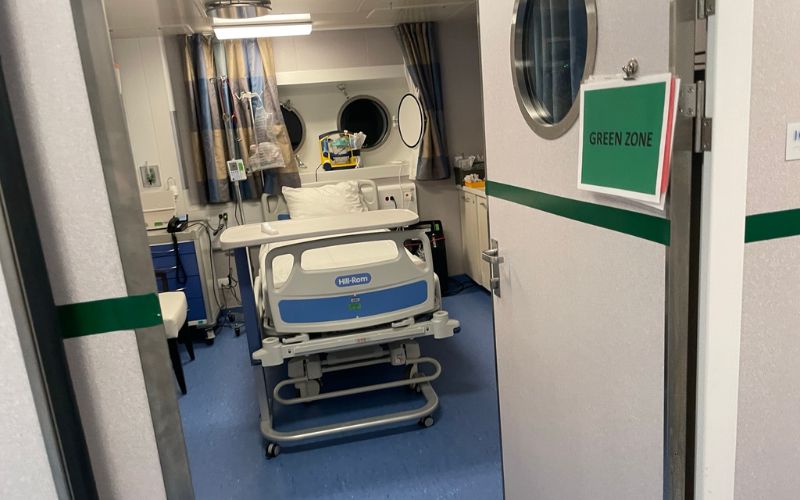
Medical treatment onboard can be expensive, and if you need to be evacuated from a ship or transported to a hospital, the costs could be substantial. You’ll want to make sure your policy provides suitable emergency medical and evacuation benefits.
It’s also worth looking for protection against missed connections, particularly if you’re flying to meet your ship.
Some cruise-specific policies may offer benefits for things like itinerary changes, missed ports or being confined to your cabin, although the precise cover and conditions vary.
And if you’re relying on an existing annual travel insurance policy, check that cruising is included. Don’t assume that having worldwide travel insurance automatically means every cruise-related risk is covered.
Why It’s Worth Comparing Cruise Insurance Before You Buy
Once you’ve worked out how much cancellation cover you need, the next step is finding a policy that actually provides it.
And that’s where comparing policies can make a difference. Two plans might look similar at first glance, but offer very different levels of protection if you need to cancel your cruise.

VisitorsCoverage is one place where travellers can compare travel insurance plans from different providers, including options designed for cruise holidays.
There are a few reasons it could be worth considering:
Compare different plans: Look at policies and benefits from different insurance providers rather than settling for the first option you find.
Check cancellation benefits: Compare the available cancellation protection and make sure the insured trip cost and policy limits are suitable for your holiday.
Look beyond cancellation: Explore medical, emergency evacuation and other travel benefits that can be particularly important for cruise passengers.
Find cruise-specific options: Depending on the plan, additional benefits may include missed connections, itinerary changes and cabin confinement.
Not every plan offers the same protection, and availability and eligibility vary, so it’s important to read the policy details before buying.
A Two-Minute Check Could Make All The Difference
Nobody books a cruise expecting to cancel it. When you’ve spent months looking forward to a sailing, the last thing you want to imagine is being stuck at home instead.
But unexpected things happen, and that’s exactly why travel insurance exists.
So before you file away your policy documents and start planning which excursions you’re going to book, take another look at that cancellation figure.
Make sure it reflects what you could actually lose if you couldn’t travel, and check that the circumstances you’re concerned about are covered.
And if your current policy falls short, it’s worth comparing alternatives through VisitorsCoverage to see whether there’s an option better suited to your trip.
It’s not the most exciting part of cruise planning, but it could turn out to be one of the most valuable.
Find The Right Insurance For Your Next Cruise
Compare cruise travel insurance plans with VisitorsCoverage and find cover that suits your sailing, your budget and your needs.

bad spelling but i think you get the message
found total travel insurance are very gppd fot pre existing illnesses