Port workers in Barcelona disrupted cruise operations on Wednesday, 28th October 2026, when they blocked vehicular access to the city’s cruise terminals with protests and fire barricades. This affected approximately 13,000 passengers across four ships.

The demonstration centered on a bonus dispute and alleged violations of collective bargaining agreements. It forced thousands of cruise guests to walk up to two miles along the roadway between the terminals and the city centre whilst the protest was underway.
The protest targeted the Moll Adossat area, which houses Barcelona’s primary cruise ship terminals. This area serves as one of the Mediterranean’s busiest cruise ports.
Four vessels were docked during the demonstration: Royal Caribbean International’s Odyssey of the Seas, TUI Cruises’ Mein Schiff 7, AIDA Cruises’ AIDAmar, and Norwegian Cruise Line’s Norwegian Escape.
Three of the ships – Odyssey of the Seas, Mein Schiff 7, and AIDAmar – were calling at Barcelona as a port of call during their respective itineraries. Norwegian Escape was in the midst of a turnaround operation, embarking passengers for a new voyage.
The timing of the protest proved particularly challenging as it coincided with the morning hours. Thousands of guests were attempting to leave their ships for shore excursions or independent exploration of the Catalan capital.
Guests Forced To Walk Considerable Distances
With no vehicular access permitted to the cruise terminals during the demonstration, passengers had no choice but to navigate the situation on foot.
Video footage shared on social media platforms showed long lines of cruise guests walking along the roadway that connects the terminals to Barcelona’s city centre, carrying luggage and personal belongings.
The distance guests were required to walk varied depending on which berth their particular ship occupied within the port complex. Some passengers faced walks of up to two miles in each direction – a considerable trek, particularly for elderly guests, families with young children, or those with mobility challenges.
The protest effectively eliminated access for taxis, coaches, and private transfer vehicles that would ordinarily transport passengers between the ships and the city.
Labour Dispute Over Financial Disagreements Sparks Action
The demonstration was not directed at the cruise industry itself, nor was it part of the broader anti-tourism protests that have periodically affected Barcelona and other popular Spanish destinations in recent years.
Instead, port workers organised the action in response to what they perceived as financial disparities and violations of their collective bargaining agreement, specifically relating to a bonus dispute.
Barcelona’s port workers have historically been well-organised. Labour actions at the facility are not unprecedented, though they remain relatively uncommon given the port’s significance to the regional economy.
The cruise industry represents a substantial economic contributor to Barcelona, generating employment and revenue across numerous sectors including hospitality, transportation, retail, and tourism services.
The protest concluded before midday, well ahead of the scheduled departure times for all four vessels. This ultimately prevented any significant delays to the ships’ sailing schedules.
Port authorities and local officials worked to resolve the situation. However, details of any agreement reached with the protesting workers have not been publicly disclosed.
U.S. Embassy Issues Precautionary Alert For Citizens
The U.S. Embassy and Consulates in Spain and Andorra issued a countrywide alert regarding the protests on Wednesday, advising American citizens to exercise caution.
The diplomatic mission urged U.S. nationals to avoid areas where demonstrations were taking place. They also advised maintaining awareness of their surroundings throughout the day.
The alert noted that an increased security presence was likely in areas affected by the protests. It cautioned that demonstrations could potentially escalate into violence, though no such incidents were ultimately reported at the port.
The advisory reflected standard diplomatic protocol for situations involving civil demonstrations that could affect foreign nationals. For the thousands of American passengers aboard the four affected cruise ships, the embassy alert provided official confirmation of the disruption.
It also offered guidance on how to navigate the situation safely. No injuries were reported as a result of the protest, and local authorities maintained a presence to ensure the demonstration remained peaceful.
Odyssey Of The Seas Passengers Face Second Protest

Guests aboard Royal Caribbean’s Odyssey of the Seas found themselves dealing with protest-related disruptions for the second time in recent weeks.
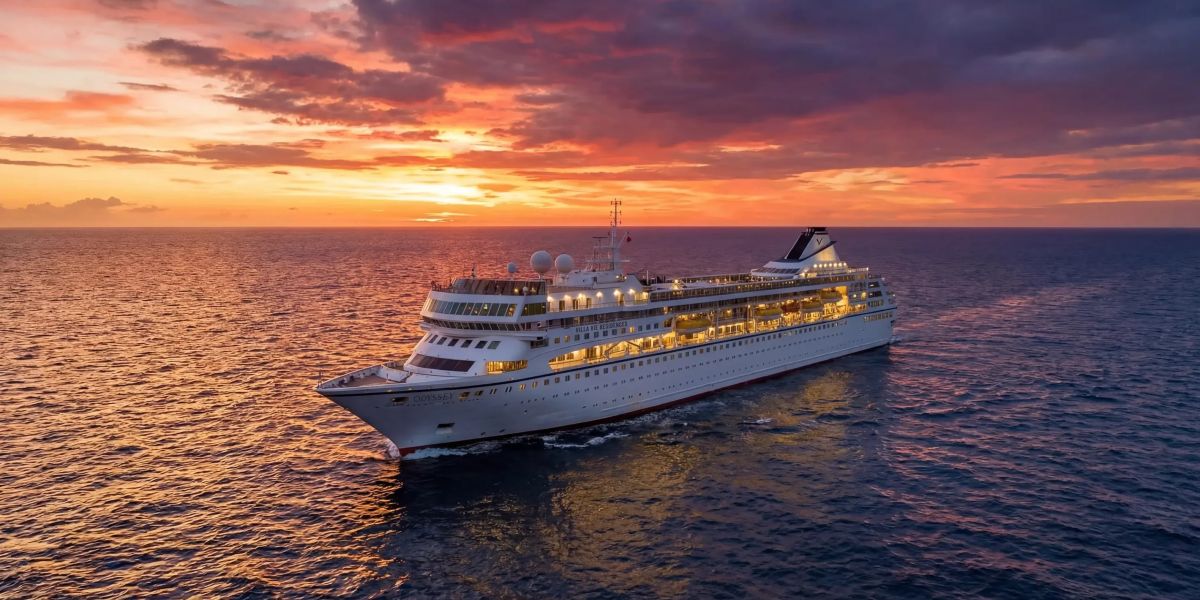
The 169,379-tonne vessel was operating a 14-night transatlantic crossing that had departed from Civitavecchia (Rome), Italy, on Sunday, 25th October. It was bound for Cape Liberty, New Jersey.
One passenger described the situation on social media: “A protest by the port crew early this morning has blocked the bridge’s vehicular entrance to the cruise terminal so no vehicles were allowed to go in or out.
We had to wait until the protest was over just before noon before disembarking the ship to go into town.”
The inconvenience represented the second protest-related situation for passengers on this particular sailing. Cruise Hive had previously reported that guests were warned about demonstrations in Naples during an earlier port call on the same voyage.
The cruise line urged passengers to exercise caution if exploring the Italian city independently. The vessel, which entered service in 2021, accommodates up to 5,510 passengers and is one of Royal Caribbean’s Quantum Ultra-class ships.
German Ships On Mediterranean Itineraries Affected
TUI Cruises’ Mein Schiff 7 and AIDA Cruises’ AIDAmar, both German market cruise ships, were operating week-long Mediterranean itineraries when the protest occurred.
Mein Schiff 7, one of the newest additions to the TUI Cruises fleet, was homeported from Palma de Mallorca and sailing a seven-night cruise that had commenced on Thursday, 22nd October.
AIDAmar, operated by AIDA Cruises (part of the Carnival Corporation portfolio and catering primarily to German-speaking passengers), was likewise homeported from Palma de Mallorca on a seven-night sailing that had departed on Sunday, 25th October.
Both vessels regularly feature Barcelona as a highlight port of call on their Western Mediterranean programmes.
The German cruise market represents a significant segment of Barcelona’s cruise business. Multiple vessels from AIDA Cruises, TUI Cruises, and other German operators regularly call at the port.
The disruption likely affected predominantly German passengers, though both cruise lines also attract guests from other European markets.
Norwegian Escape Turnaround Complicated By Blockade
The situation proved particularly stressful for passengers boarding Norwegian Cruise Line’s Norwegian Escape. The vessel was conducting a full turnaround operation in Barcelona on the day of the protest.
The ship was departing on a 16-night transatlantic crossing to Port Canaveral, Florida. This marked its first voyage following a two-week dry dock refurbishment in Marseille, France.
Because the ship was beginning a new cruise rather than continuing an existing voyage, there were no disembarking passengers – only newly arriving guests attempting to board.
One frustrated passenger wrote on social media: “Barcelona, what a stressful situation! Our way to the port is blocked by protesters, and we’re just trying to get to our cruise ship!
We came here to enjoy our trip, not to be stuck on the road worrying about missing our cruise.”
The guest continued, acknowledging respect for workers’ rights to demonstrate but expressing that the experience had soured their impression of Barcelona.
For embarking passengers, the anxiety was compounded by cruise line policies that clearly state guests are responsible for reaching the cruise terminal on time for departure. Ships will not wait for those delayed by circumstances beyond the cruise line’s control.
Norwegian Escape, a Breakaway Plus-class vessel that entered service in 2015, carries up to 4,266 passengers. It features an array of dining venues, entertainment options, and the line’s signature hull artwork.
The ship’s post-refurbishment sailing represented a return to service following updates to public spaces and staterooms.
Industry Context And Barcelona’s Cruise Significance
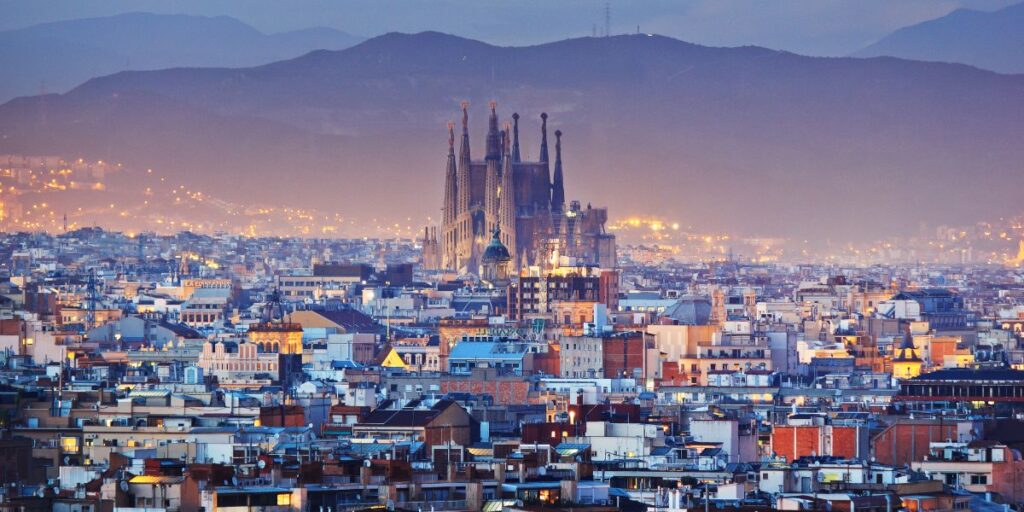
Barcelona ranks as one of Europe’s leading cruise ports. It handles millions of passengers annually and serves as both a popular turnaround port and port of call for Mediterranean itineraries.
The city’s combination of cultural attractions, architectural landmarks, and convenient location has made it a cornerstone of Western Mediterranean cruise programmes for decades.
However, the port has not been without controversy in recent years. Barcelona has witnessed periodic anti-tourism protests, with some local residents and activist groups arguing that mass tourism – including cruise tourism – places unsustainable strain on the city’s infrastructure.
They also claim it drives up housing costs and diminishes quality of life for permanent residents. These protests are separate from the labour action that disrupted operations on 28th October, though they reflect broader tensions surrounding tourism in popular European destinations.
The cruise industry contributes significantly to Barcelona’s economy. It generates an estimated hundreds of millions of euros annually through port fees, passenger spending, provisioning, and related services.
The port has invested heavily in cruise infrastructure over the years. It has expanded terminal facilities and berths to accommodate the largest vessels in service. Despite occasional disruptions and ongoing debates about sustainable tourism, Barcelona remains committed to its role as a major Mediterranean cruise hub.
TODAY’S BEST CRUISE DEALS!
Don’t miss these offers…