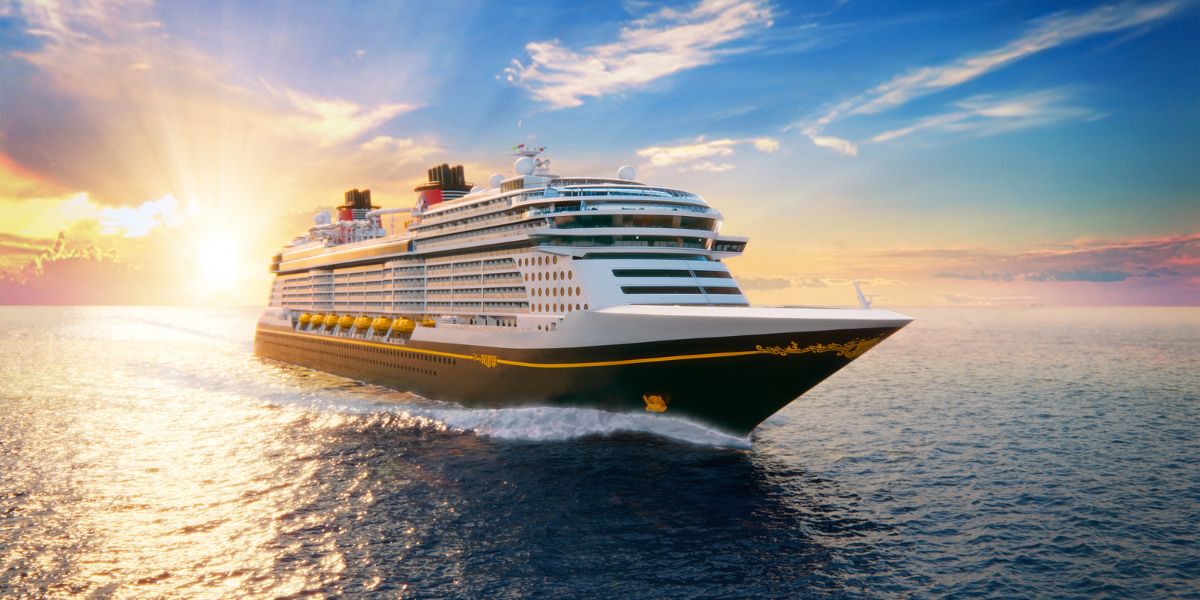
Disney Cruise Line has confirmed it will trial wearable wristbands in place of traditional Key to the World cards during a single sailing aboard Disney Treasure on 10th October 2026.
The cruise line has emphasised this is a limited test only and does not signal an immediate fleet-wide transition to wearable technology.
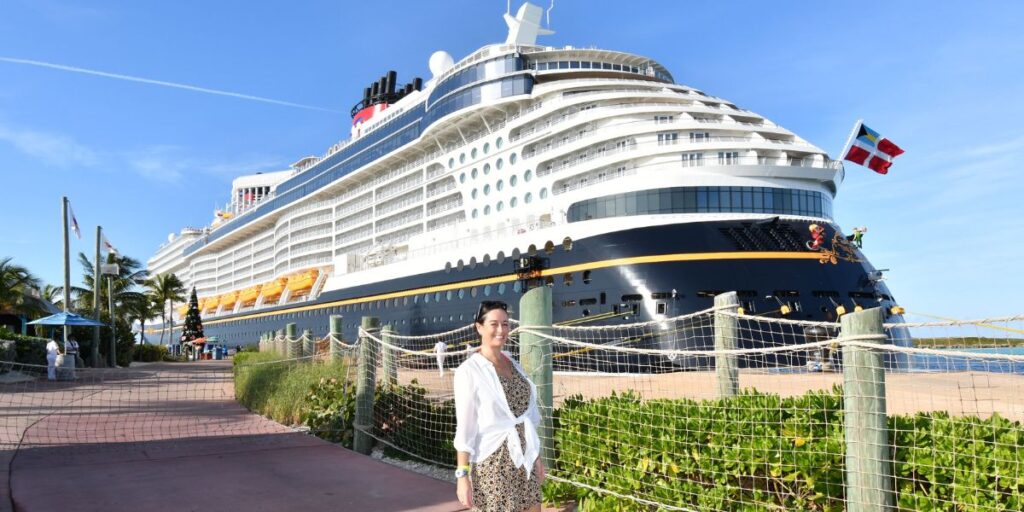
Guests boarding Disney Treasure on Saturday, 10th October 2026, will participate in a trial of new wristband technology that replaces the familiar plastic Key to the World shipboard identification cards.
The test will take place during a seven-night Halloween on the High Seas Eastern Caribbean itinerary departing from Port Canaveral, with port calls scheduled for Tortola, St. Thomas, and Disney’s private island Castaway Cay before returning to Florida on 17th October.
Disney Cruise Line proactively contacted travel advisors to explain the trial programme and clarify important distinctions between the test wristbands and the existing DisneyBand+ wristbands already in use across Disney’s global operations.
This advance notice allows travel professionals to prepare their clients for the change and address any concerns before embarkation.
Distribution Process Differs For DisneyBand+ Versus Test Wristbands
The implementation process varies depending on whether guests already own DisneyBand+ wristbands or will receive the trial wristbands.
Passengers who arrive with DisneyBand+ wearables will have their existing bands activated during the standard check-in process, allowing them to use the same technology they employ at Walt Disney World Resort and other Disney destinations.
Guests without DisneyBand+ will be issued a wearable Key to the World wristband as part of their embarkation experience rather than finding the traditional plastic cards waiting outside their stateroom as has been customary for decades.
This represents a significant departure from Disney Cruise Line’s longstanding procedures, though the cruise line has stressed the temporary nature of this particular test.
Cruise Line Emphasises Experimental Nature Of Programme
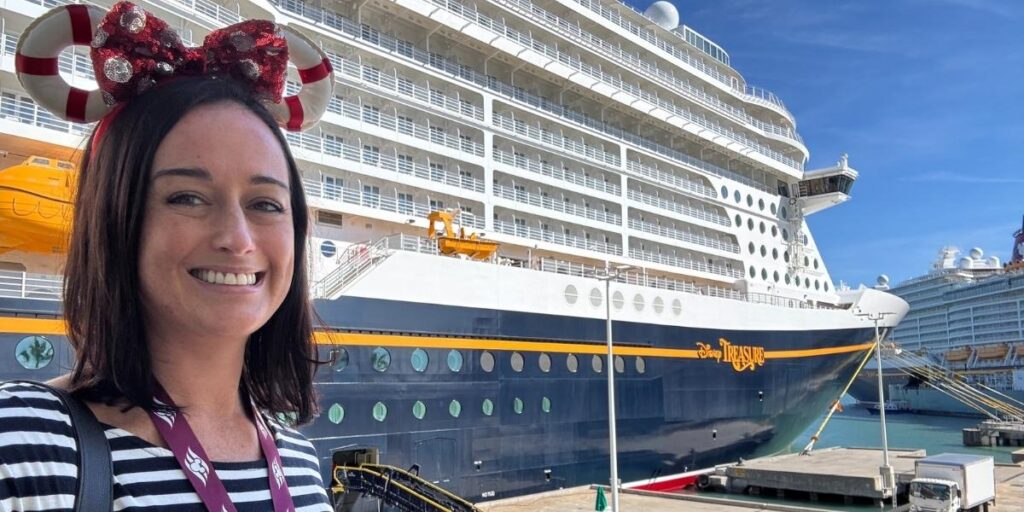
Disney Cruise Line has taken care to manage expectations regarding the trial, making clear that the company frequently tests new concepts without necessarily implementing them fleet-wide.
The notification sent to travel advisors stated the company is “testing these new wristbands as we continue to look for ways to make your clients’ Disney cruise vacation even easier” whilst acknowledging that “not all of them become part of our operation.”
This cautious approach reflects the company’s methodical strategy for evaluating new technologies and guest services before committing to substantial operational changes.
Disney has built its reputation on exceptional guest experiences, and any modifications to established systems undergo rigorous testing to ensure they genuinely enhance rather than complicate the cruise experience.
The cruise line has not confirmed whether additional sailings will participate in wristband trials, though industry observers suggest further testing may be likely if Disney wishes to gather more comprehensive data or evaluate different wristband configurations and operational procedures.
Test Wristbands Function Only For Single Voyage
A critical distinction between the trial wristbands and DisneyBand+ technology centres on versatility and longevity.
The test wristbands will function exclusively during the 10th October sailing and cannot be used for subsequent cruises, visits to Disney theme parks, or any other Disney experiences.
Disney Cruise Line’s communication to travel advisors explicitly stated that “unlike DisneyBand+, [the wristbands] will only work on this sailing and are not applicable to other Disney experiences.”
This limitation represents a significant difference from DisneyBand+, which guests can use across multiple Disney properties and experiences over extended periods.
The single-use nature of the trial wristbands raises questions about sustainability and cost-effectiveness, though Disney has implemented collection procedures that may address some environmental concerns.
Collection And Potential Recycling Process Planned
At the conclusion of the cruise, Disney Cruise Line will position collection containers outside the terminal to facilitate the return of trial wristbands.
This process mirrors procedures employed by Virgin Voyages, which has successfully operated with individual wristbands for each sailing rather than traditional key cards since the brand’s launch.
Disney has not disclosed whether returned wristbands will be refurbished and reused for future sailings or if the materials will be recycled through other means.
Given Disney’s increasing focus on environmental sustainability across its global operations, the company likely has considered the ecological implications of single-use wristbands versus reusable plastic cards.
The collection process itself provides Disney with an opportunity to gather feedback from guests about their experience with the wristband technology, which will prove valuable as the company evaluates whether to expand the programme.
Passenger Reactions Range From Enthusiasm To Concern
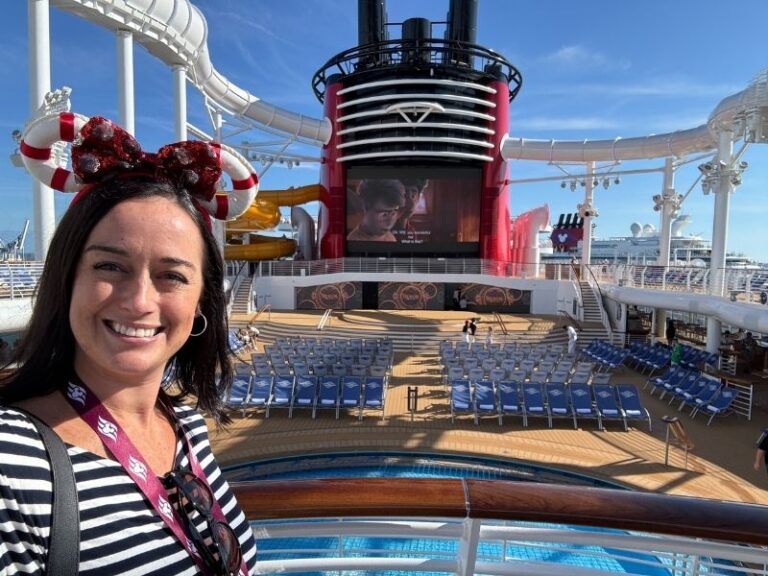
Guest responses to the wristband trial have been mixed, reflecting diverse preferences and priorities amongst Disney Cruise Line’s loyal passenger base.
Some cruisers have expressed concerns about the practicality of wristbands compared to cards, particularly in situations requiring guests to hand over their identification for bar service or shopping transactions.
“We found the bands extremely inconvenient and prefer the card,” commented one guest who apparently has experience with wristband technology on other cruise lines or Disney properties.
This sentiment reflects concerns that wristbands may be less convenient for certain shipboard activities despite potential advantages in other areas.
Other passengers have highlighted the sentimental value of Key to the World cards, which many guests collect as souvenirs commemorating their Disney cruise experiences.
The cards often feature ship-specific artwork and serve as tangible reminders of family holidays, making them cherished keepsakes for frequent cruisers.
One guest referenced Disney Cruise Line’s Castaway Club loyalty programme, noting “My next cruise is platinum. I just need one platinum lanyard. lol” – suggesting the transition to wristbands might eliminate the need for the lanyards many guests wear to display their cards and loyalty status whilst aboard.
Technology Draws Comparisons To Other Cruise Lines
Guests with experience aboard Princess Cruises have expressed particular enthusiasm for the wristband trial, drawing favourable comparisons to Princess’s Ocean Medallion technology.
The Medallion system, launched in 2017, has been widely praised for its versatility and convenience, allowing guests to wear the device as a wristband, attach it to lanyards or clips, or simply carry it in a pocket.
Princess’s technology has proven successful enough that parent company Carnival Corporation has explored implementing similar systems across other brands in its portfolio.
The Medallion serves multiple functions beyond room access and payment, including enabling location-based services, expedited embarkation, and personalised experiences throughout the ship.
Disney’s trial may represent the company’s effort to evaluate whether similar benefits could enhance the guest experience aboard its fleet without the complexity and expense of Princess’s comprehensive system.
Stateroom Access And Power Control Questions Remain
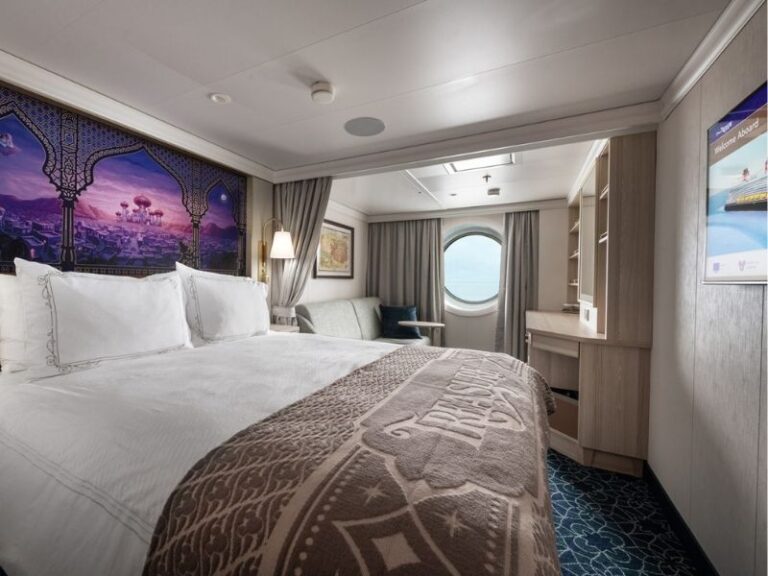
A practical concern raised by some guests centres on stateroom power management.
Disney Cruise Line ships, like many vessels in the industry, require guests to insert their Key to the World card into a slot near the door to activate cabin lighting and air conditioning systems.
This energy-saving measure prevents unnecessary power consumption whilst staterooms are unoccupied.
Wristbands cannot be left in these slots, potentially requiring guests to use alternative cards such as credit cards or loyalty cards to maintain cabin power.
Not all passengers may have spare cards readily available, and some express discomfort about leaving financial cards in shipboard slots for extended periods.
Disney Cruise Line has not clarified whether the trial wristbands will include any technical solutions to this challenge or if guests will simply need to provide their own card for power activation.
This represents an important operational detail that will likely influence passenger satisfaction with the wristband system.
The cruise line also has not confirmed whether guests will be able to opt out of the trial if they prefer traditional cards, though such flexibility would align with Disney’s typically guest-focused approach to service.
Disney Treasure Provides Ideal Testing Platform

Disney Treasure, the cruise line’s newest vessel and second ship in the innovative Wish class, provides an appropriate platform for testing new technology and operational procedures.
The 4,000-passenger ship represents Disney’s latest design philosophy and incorporates numerous technological advances compared to older fleet members.
Launched in 2024, Disney Treasure features enhanced connectivity, digital services, and modern systems that can more readily integrate new technologies like wristband readers throughout the vessel.
Testing innovations on newer ships allows Disney to evaluate performance in optimal conditions before potentially retrofitting older vessels.
The October sailing’s Halloween on the High Seas theme may also provide an engaged and enthusiastic passenger base likely to provide detailed feedback about their experience with the trial wristbands.
Themed cruises often attract devoted Disney fans who appreciate opportunities to participate in new programmes and share their perspectives with the company.
Get The Best Price On Your Disney Cruise
Plus expert help from a cruise specialist