Royal Caribbean International has reached out to passengers booked on Voyager of the Seas’ 4th September 2026 Alaska cruise, offering generous compensation packages to those willing to transfer their bookings to 2027 sailings or cancel entirely. The cruise line is providing a full refund plus substantial credits and reimbursements as it seeks volunteers to give up their berths on the upcoming seven-night voyage from Seattle.
The sailing in question is a seven-night Alaska itinerary departing from Seattle on 4th September 2026. The voyage is scheduled to visit some of Alaska’s most sought-after ports, including Juneau, Skagway, and Victoria, British Columbia, whilst also offering scenic cruising through Endicott Arm and past Dawes Glacier.
Voyager of the Seas will return to her homeport of Seattle on 11th September following the week-long journey. Selected guests received an email from Royal Caribbean outlining the voluntary programme and its various incentive options.
Two Distinct Compensation Packages Available

The cruise line is presenting affected passengers with two primary choices, each designed to minimise disruption whilst freeing up staterooms on the September departure. The first option allows guests to transfer their booking to one of three comparable Alaska sailings in 2027 aboard the same vessel.
Under this transfer option, passengers can select from departures on 27th August, 3rd September, or 10th September 2027. The first two replacement sailings mirror the original itinerary exactly, visiting Juneau, Skagway, Endicott Arm and Dawes Glacier, and Victoria. The third alternative, departing 10th September 2027, offers a slightly different route that includes Sitka instead of the glacier cruising.
Guests choosing this path receive a 100% refund of their cruise fare, excluding taxes and amenities. Royal Caribbean is also offering $200 in non-refundable onboard credit per stateroom and full reimbursement for non-refundable, prepaid travel expenses such as flights and hotel accommodation booked in conjunction with the original sailing.
Cancellation Option Provides Greater Flexibility
The second option available to passengers is a complete cancellation of their September 2026 booking. This alternative may prove more attractive to those who cannot accommodate the nearly year-long delay that the transfer option entails.
Guests selecting the cancellation route will receive a 100% refund of their cruise fare as well as reimbursement for any non-refundable travel expenses already incurred. Beyond these refunds, Royal Caribbean is sweetening the deal with a future cruise credit worth 150% of the fare paid.
This enhanced credit can be applied to any Royal Caribbean sailing departing by 4th September 2027, giving passengers considerably more flexibility than the transfer option. The ability to book an earlier departure – and potentially a more expensive itinerary or ship – makes this cancellation package particularly compelling for many travellers.
Application Process And Critical Deadlines
Royal Caribbean has established a clear timeline for guests to respond to the offer. Interested passengers must submit their applications by 1st September, though the cruise line has not specified whether this deadline refers to the year 2025 or 2026.
The company will contact successful applicants via telephone or email to finalise the arrangements. Any guests who have not received confirmation from Royal Caribbean by 2nd September will remain booked in their existing staterooms aboard the 4th September sailing.
The email sent to affected passengers emphasised the voluntary nature of the programme. “If your plans are set in stone, please mark this email as ‘Read’, and gear up for your upcoming adventure – although, there are some pretty sweet options below,” the communication stated.
Limited Availability Creates Urgency For Interested Guests
Whilst Royal Caribbean is actively seeking volunteers to relinquish their bookings, the cruise line has made clear that these offers are limited and not guaranteed to all interested parties. This caveat suggests that only a specific number of staterooms need to be freed up on the September departure.
The limitation creates a potential scenario where some guests willing to accept the compensation may not ultimately be selected. Royal Caribbean will presumably prioritise applications on a first-come, first-served basis or according to cabin category and booking circumstances.
For passengers who do receive approval, the compensation packages represent substantial value. The transfer option essentially provides a free cruise a year later, whilst the cancellation option offers significant flexibility with the 150% credit – effectively allowing passengers to book a more expensive cruise at no additional cost.
Industry Context Behind Voluntary Compensation Programmes
Though Royal Caribbean has not explicitly stated the reason for seeking volunteers, such offers typically indicate that a sailing has more confirmed bookings than available stateroom capacity. Overselling is a standard practice throughout the travel industry and occurs when companies anticipate that a certain percentage of customers will cancel before the departure date.
Airlines have employed this strategy for decades, often with less generous compensation when passengers are involuntarily denied boarding. The cruise industry has adopted similar practices, though cruise lines generally prefer voluntary arrangements that maintain customer goodwill rather than forcing passengers off sailings.
By offering substantial compensation packages and making the programme entirely voluntary, Royal Caribbean aims to resolve any capacity issues without creating negative publicity or damaging relationships with loyal customers. The advance notice – with applications due potentially a year before the sailing – also provides ample time for affected guests to make alternative arrangements.
Recent Pattern Aboard Voyager Of The Seas
The September offer represents the latest in a series of similar requests Royal Caribbean has made regarding Voyager of the Seas Alaska sailings. As recently as June, the cruise line contacted guests booked on a 19th June sailing aboard the same vessel, offering comparable incentives to transfer or cancel their bookings.
That offer similarly included a full fare refund and future cruise credit for passengers willing to change their plans. Just one week later, passengers booked on the ship’s 17th July sailing received virtually identical offers, with Royal Caribbean again providing future cruise credits and full refunds as enticements.
The pattern suggests potential ongoing capacity management issues aboard Voyager of the Seas during her Alaska season, though the cruise line has not confirmed whether any of these sailings were actually oversold. The repeated nature of these offers, however, indicates that Voyager of the Seas Alaska cruises have proven particularly popular with travellers.
Voyager Of The Seas Alaska Deployment Details

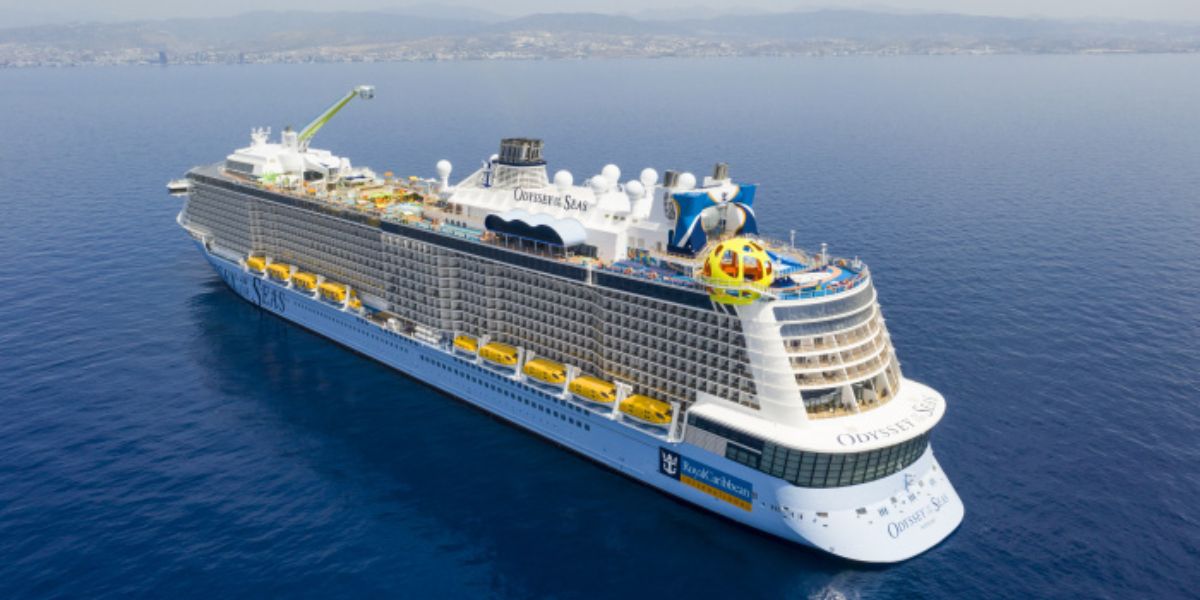
Voyager of the Seas, measuring 137,276 gross tonnes, represents one of Royal Caribbean’s Voyager-class vessels. Launched in 1999, the ship underwent significant refurbishment as part of the cruise line’s Royal Amplified modernisation programme, adding popular features whilst maintaining the classic layout that has made the Voyager class popular with families and first-time cruisers.
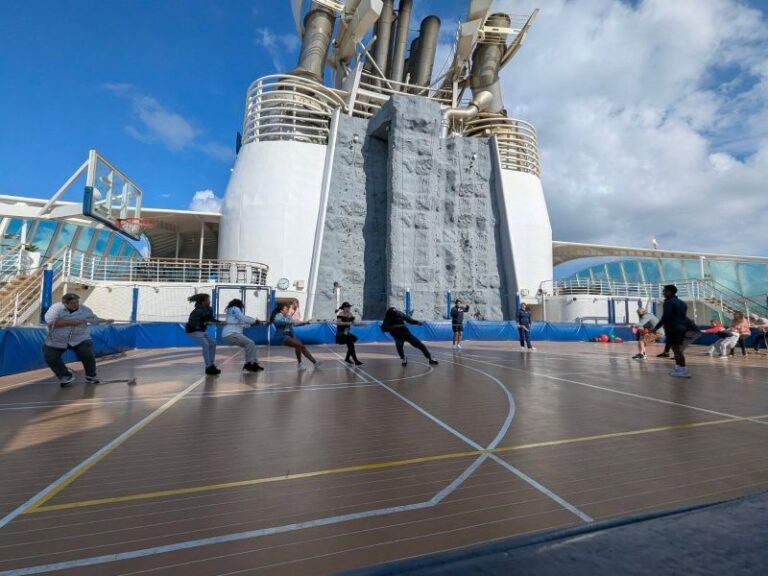
The vessel typically accommodates approximately 3,114 passengers at double occupancy, with a maximum capacity of nearly 3,840 guests. Her deployment to Alaska allows Royal Caribbean to offer competitive pricing on Alaska cruises whilst providing many of the signature amenities found across the fleet, including the Royal Promenade, ice skating rink, and rock climbing wall.
Seattle has become an increasingly important homeport for Alaska cruises, competing with Vancouver and other Pacific Northwest ports for the lucrative summer Alaska market. The seven-night itineraries from Seattle offer convenient access for guests from across the United States without the need for international travel or passport complications that can arise with Canadian departures.
Implications For Future Cruise Bookings
The voluntary compensation programme raises interesting questions about booking strategies for cruise passengers. Whilst overselling is standard practice, passengers who prefer guaranteed travel may wish to book closer to departure dates when cruise lines have a clearer picture of actual capacity needs.
Conversely, early bookers typically secure the best pricing and cabin selection, making the strategy a calculated risk. For passengers with flexible schedules, these compensation offers can represent exceptional value – particularly the 150% future cruise credit that effectively provides a significant discount on future travel.
The transparency with which Royal Caribbean is handling the situation – reaching out well in advance and offering substantial compensation – demonstrates the cruise line’s commitment to customer service even when managing complex capacity issues. Passengers who remain booked on the 4th September sailing can proceed with confidence, knowing they will not be involuntarily removed from the cruise.
For the broader cruise industry, such voluntary programmes represent best practice in managing the inevitable complexities of capacity planning whilst maintaining positive customer relationships in an increasingly competitive market.
Want the best Royal Caribbean deal?
Get the best price and expert help to plan your cruise