
This is a sponsored post for Cruise1st.
You don’t have to listen to the advice of other cruisers. And sometimes, even if they’ve cruised a lot, they can be wrong anyway.
Now, I am very aware of the fact I’m telling you to potentially ignore advice, whilst at the same time giving you advice… But hear me out!

There are lots of common cruise tips that people share, and yes, they do make sense to a lot of people. But after sailing more than 50 cruises, I’ve learned that quite a few of the supposed golden rules simply don’t work for every cruise.
Sometimes ignoring them has saved me money. Sometimes it has helped me get a better cabin or a more interesting ship. And occasionally I ignore perfectly sensible advice because I’ve looked at the alternatives and decided the risk is worth taking…
1. “Always Book A Balcony Cabin”
I love a balcony cabin, but I definitely don’t think you need one on every cruise. They’re also not my favourite, when you weigh up budget vs. the experience you get.

Now, there are itineraries where I’d happily pay more for a balcony, particularly somewhere scenic where there’s plenty to see from the ship. Waking up to a Norwegian fjord is quite different from waking up to the side of a container terminal, or if you’re cruising in Alaska then you want that crisp air as you enjoy your private view of the scenery.
But on a busy cruise where I expect to spend almost all day exploring the ship or ashore, I’d rather put the money towards something else. I do like a view – but a window is typically enough for me.
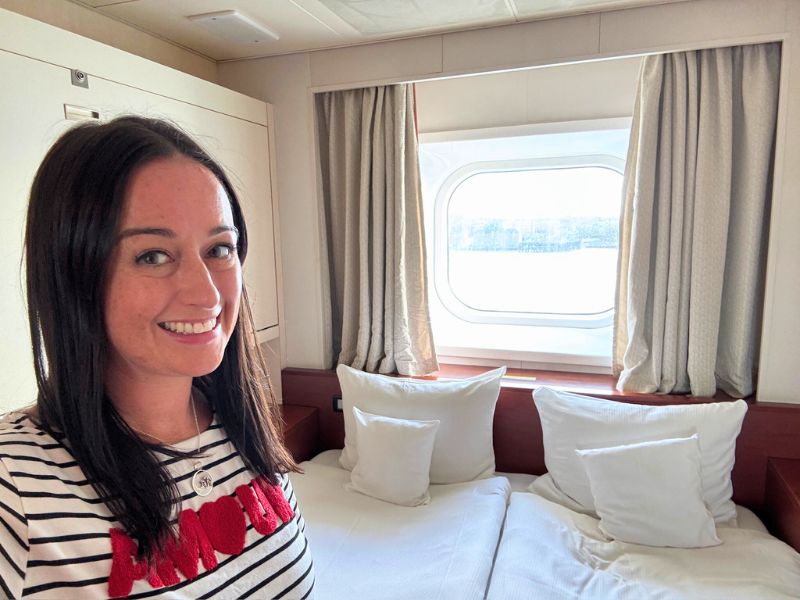
The price difference can make a big difference too. If an Inside Cabin costs £700 and a Balcony costs £850, upgrading feels fairly easy to justify. But if we’re looking at a jump from say £500 to £900 to get your own balcony then I start thinking about how many cocktails, excursions and future cruises that extra £400 could buy.
I’ve happily sailed in Inside cabins before and I’ll do it again. Outsides are also an excellent choice. A balcony is an upgrade, not an essential part of cruising, and I will usually make the judgement call each time. I certainly don’t have a set rule that it’s Balcony or nothing!
2. “Wait Until The Last Minute For The Best Deal”
Last-minute cruise bargains absolutely exist, but waiting for one is much more of a gamble than some people make it sound. And honestly it’s often not the best way to do things!
If I’m flexible about the ship, itinerary, cabin and departure date, I’m quite happy to see what appears close to sailing. Unsold cabins sometimes need filling, and that can produce some brilliant fares.

But I wouldn’t use that strategy for a cruise I desperately wanted to take. Popular sailings can increase in price or sell out completely, while the cheapest cabin categories often disappear first.
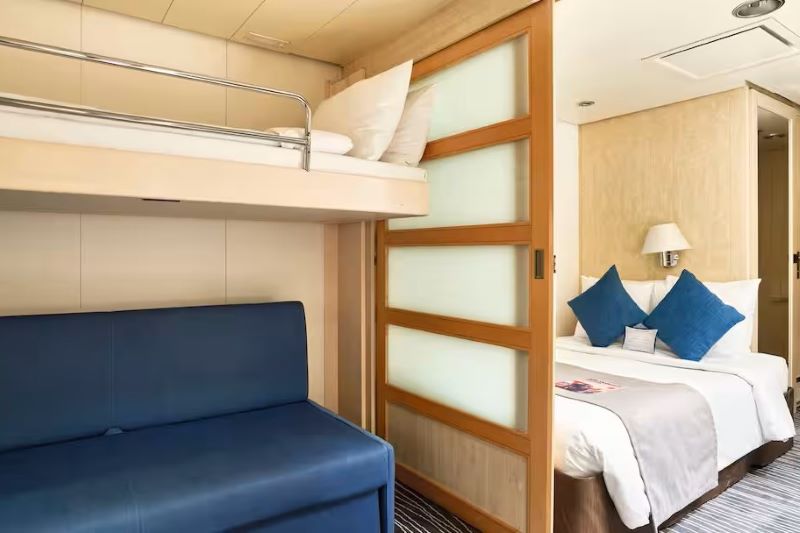
Families are even more restricted because cabins sleeping three, four or five people are much less plentiful than standard doubles. They sell quickly and then you might be stuck paying for two cabins instead of one you could’ve booked earlier, just to fit everyone in.
Flights can also wipe out whatever you save on the cruise itself. It’s something you need to consider if you’re not cruising from a port in your own country.
So I’ll happily chase a late deal when the cruise is optional. If there’s a specific sailing I really want, I’d rather book it ASAP, when there’s the best cabin availability, than spend six months hoping nobody else wants it.
3. “Book The Newest Ships”
New cruise ships are exciting. I’m not going to deny that. They usually have the newest restaurants, attractions, cabins and technology, and cruise lines understandably put a huge amount of effort into persuading us that we need to experience them.
But newer doesn’t automatically mean better, and it’s important to remember that when you’re browsing your options.
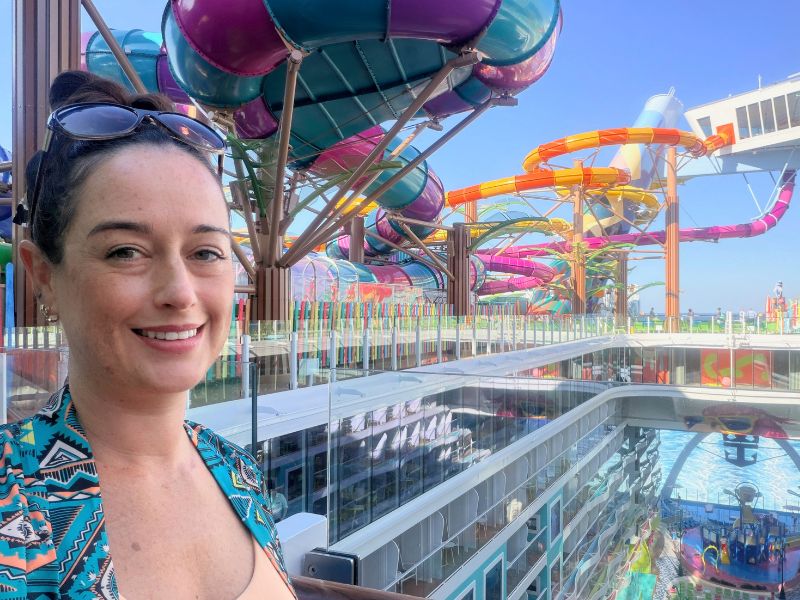
Some older ships have features that disappeared from later designs, and smaller ships can offer itineraries that enormous new vessels simply can’t. They can also be considerably cheaper!
There are cruisers who love ships packed with waterslides, rollercoasters, huge entertainment venues and dozens of places to eat. There are others who would gladly sacrifice all of that for a quieter promenade deck and a ship that can get into smaller ports.
I’m interested in new ships, but I’d never choose a cruise purely because the ship has only recently left the shipyard.
4. “Use A High Street Travel Agent”
There’s nothing inherently wrong with booking a cruise through a high street travel agent, particularly if you already know and trust someone there.
But if I’m using a travel agent for a cruise, I prefer one that specialises in cruises, and with good reason.
Cruising has a surprising number of moving parts. There are different fare types, cabin categories, drinks packages, dining arrangements, flights, transfers, onboard credit offers and cruise-line-specific rules that aren’t necessarily obvious when you first start looking.

That’s where a cruise specialist can be useful. Rather than simply selling holidays generally, specialist cruise agents deal with cruise bookings every day and can compare different cruise lines, ships and packages much more easily for you.
Cruise1st is a really good example. They’ve been helping UK travellers book cruises for more than 25 years, so their team knows the differences between ships, itineraries and cabin types, rather than simply looking at the headline price. And because they sell cruises across lots of different lines, they can help you compare the options instead of steering you towards one particular cruise company.
Of course, I still compare the overall deal rather than assuming one way of booking will always be cheapest. The important thing for me is getting the right cruise at the right overall price, rather than automatically booking wherever I happened to see it first.
See The Latest Cruise1st Deals
Compare cruises, packages and exclusive offers across a huge range of cruise lines!
5. “Always Buy The Drinks Package”
I understand why people like drinks packages. Paying upfront means you can order what you fancy without mentally adding another £8, £10 or £12 to your holiday bill every time.
But they aren’t automatically good value and sometimes the convenience doesn’t outweigh the fact you might be overpaying.
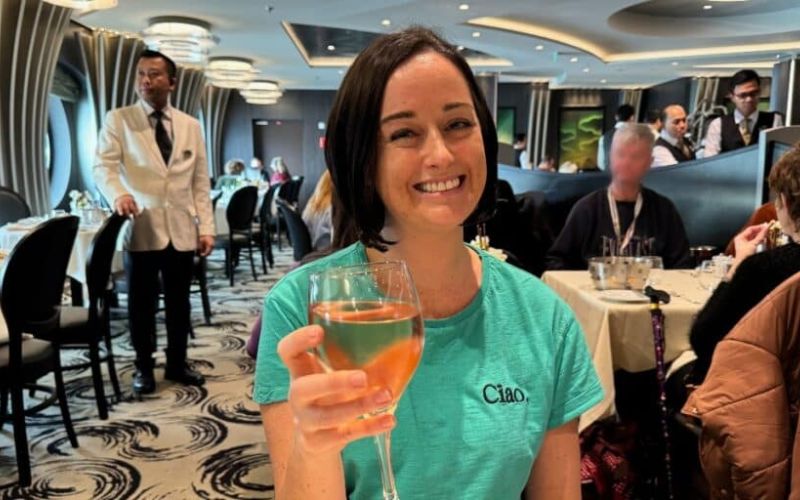
Whether I buy one depends entirely on the cruise line, the package price, what’s included and how much I realistically expect to drink. On some cruises the maths works brilliantly, while on others I’d have to spend most of the holiday ordering drinks simply because I felt obliged to get my money’s worth.
It gets even more complicated when cruise lines require everyone in the cabin to buy a package, impose daily limits or exclude premium drinks. This really isn’t the sort of thing where one rule applies to every situation!

I always do the sums rather than treating the drinks package as another compulsory part of the booking. And with my drinks package calculator, it’s really easy for you to see whether a drinks package is the right choice for your upcoming sailing:
6. “Choose The Cheapest Cabin”
I love finding a cheap cruise fare, but the cheapest cabin isn’t necessarily the best-value cabin. And sometimes a cabin is cheap for a reason.

It varies by sailing, but often moving up one category costs surprisingly little. I’ve seen occasions where an Oceanview or Balcony cabin was only a modest amount more than an Inside, making the upgrade far more tempting. Or even just a bigger Inside was only slightly more costly than the smallest ones.
There are also times when the absolute cheapest fare comes with restrictions I don’t particularly want, such as having no choice over where my cabin will be located. Guarantee cabins are a risk, and sometimes I’ll go for it but other times I’d rather know I wasn’t booking a cabin where noise could be an issue.
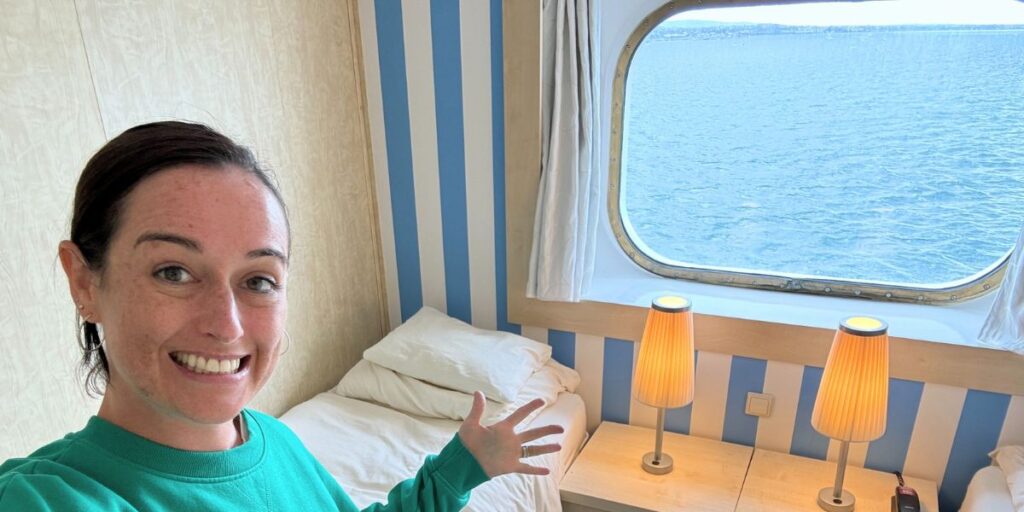
That doesn’t mean I refuse cheap cabins. Quite the opposite: if an inside cabin is significantly cheaper and I’m happy with it, I’ll book it without hesitation. I just don’t stop comparing prices when I see the lowest number.
7. “Avoid Obstructed-View Cabins”
An obstructed-view cabin can sometimes sound awful when you’re booking online. You’ve paid for a window or balcony and somebody has inconsiderately parked a lifeboat outside it. Why would anyone choose that?
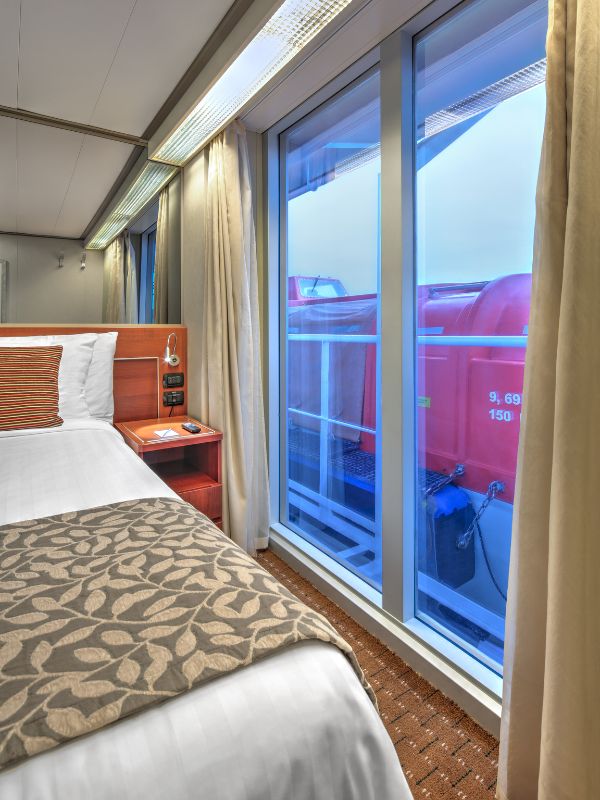
Because they can be fantastic value…
The level of obstruction varies enormously. Some cabins have a lifeboat dominating virtually the entire view, while others may only have a relatively small obstruction or something sitting below the balcony rather than directly in front of it.
If the price is much closer to an inside cabin than a standard balcony, I’m definitely interested.
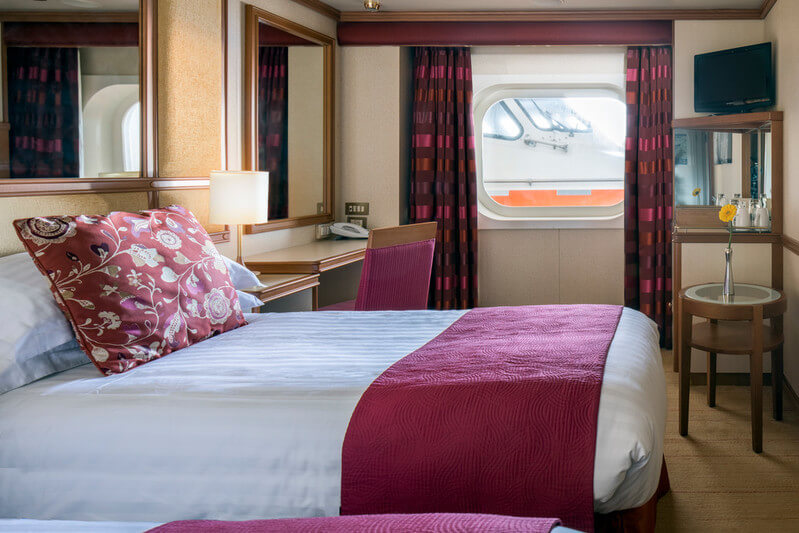
I’d always try to find photos or videos of the exact cabin, or at least nearby cabins in the same category, before booking. But I certainly wouldn’t rule one out just because the words “obstructed view” appear beside it.
8. “Never Fly On The Morning Of Your Cruise”
This is probably the rule on this list that I’m most reluctant to encourage anyone else to ignore – but I do flaunt it surprisingly often!
Flying to your embarkation port the day before is safer. Flights get delayed and cancelled, bags go missing and airports occasionally descend into complete chaos, while the ship has absolutely no obligation to sit at the pier waiting for you.
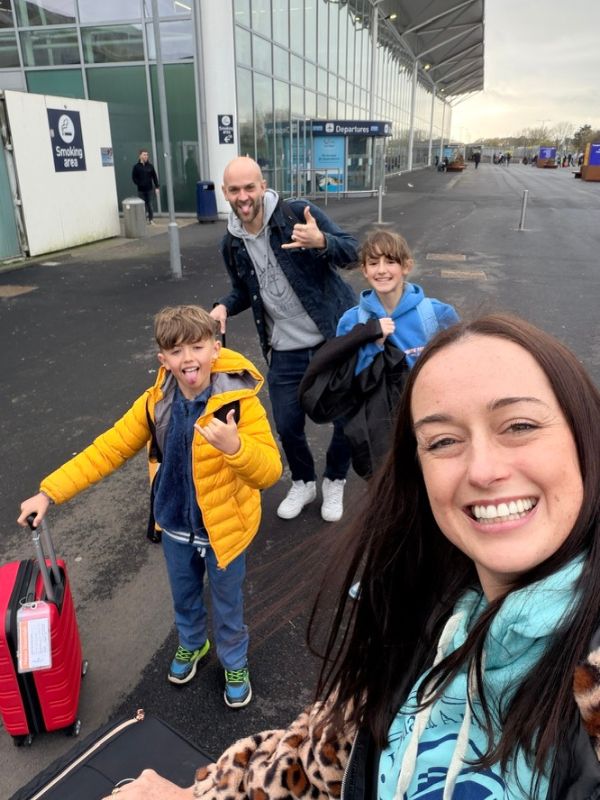
And yet I have flown on the morning of cruises on several occasions!
Sometimes the timings work well, particularly on short flights with an early departure and a cruise leaving much later that day. Package arrangements can also change the calculation if flights and transfers are organised as part of the cruise holiday.

But there is always extra risk involved. If I’ve booked my own flights separately and missing the ship would leave me chasing it around Europe at my own expense, arriving the day before suddenly seems extremely sensible.
So this is one rule I occasionally break, but I do so knowing exactly why the rule exists.
9. “Always Choose A Midship Cabin”
Midship cabins are regularly recommended because they tend to experience less movement than cabins right at the front or back of the ship.
That can be useful if you’re prone to seasickness, but it doesn’t automatically make midship the best location for everybody, and so it’s another rule that I’d only apply in those circumstances.
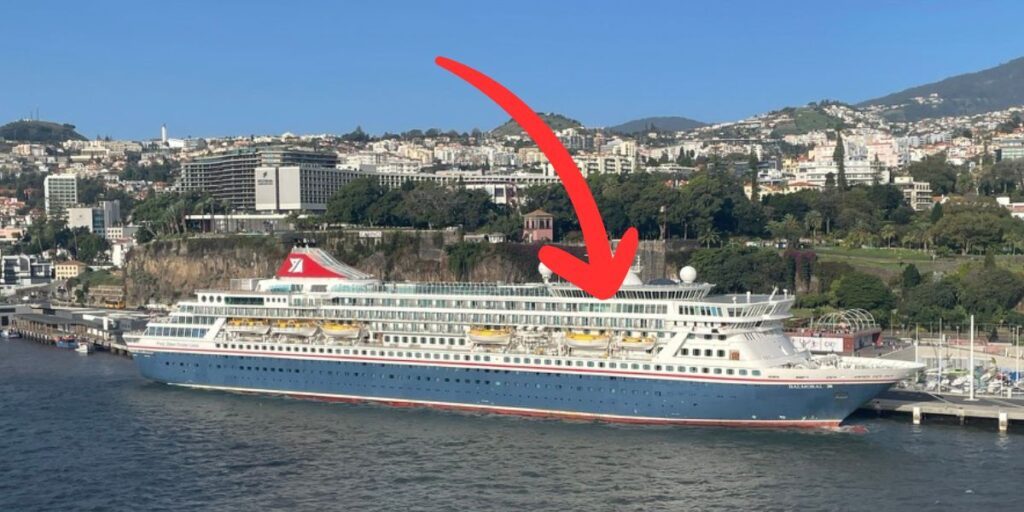
I’ve deliberately booked cabins towards the front or aft because they were closer to facilities I expected to use regularly. On a huge ship, being near the lifts that take you directly to your favourite restaurant, pool or lounge can save an astonishing amount of wandering along identical-looking corridors.
Some cruisers also specifically seek out aft-facing balconies because of their wake views, despite those cabins being about as far from midship as you can get. Aft views are amazing (although an aft-view Balcony might be more expensive than a mid-ship one).

Cabin location matters, but the “best” part of the ship depends on what matters most to you.
Cruise Booking Advice Is A Starting Point, Not A Rulebook
Most cruise booking tips become popular because there’s some truth behind them. Arriving before embarkation day reduces risk. Midship cabins can feel more stable. Balcony cabins are lovely. Booking early can give you more choice.
The problem comes when useful advice turns into a rule that everybody is expected to follow, regardless of the ship, itinerary, price or person travelling. I’d much rather compare the options each time I book.
That includes checking different cabin categories, looking at what’s actually included in the fare and comparing different ways of booking. It’s also one of the reasons a cruise specialist can be useful, because sometimes the best-value option isn’t simply the cruise fare you see advertised first.
Cruise1st, for example, works with major cruise lines including Royal Caribbean, MSC Cruises, Princess Cruises and P&O Cruises, and that can give them access to exclusive deals or packages with added extras that you might not get by booking directly.
There’s a huge range to search through too, from short mini cruises and family sailings to luxury holidays, fly-cruises and long-haul itineraries. And if you want to make a bigger trip out of it, Cruise1st can package a cruise together with flights, hotels and land stays or tours rather than leaving you to arrange everything separately.
You don’t have to speak to anyone if you’d rather browse by yourself either. You can search online and then get advice from their cruise specialists if you need help narrowing down the ships, cabins or packages. They even have Cruise1st TV, their dedicated cruise shopping channel, if you’d rather get some inspiration and see what offers are currently available.
Sometimes I end up following the standard cruise-booking advice anyway. But if ignoring one of those supposed rules – or simply comparing a few more options before I book – gets me a better holiday for my money, I’m quite happy to break it.
See The Latest Cruise1st Deals
Compare cruises, packages and exclusive offers across a huge range of cruise lines!
