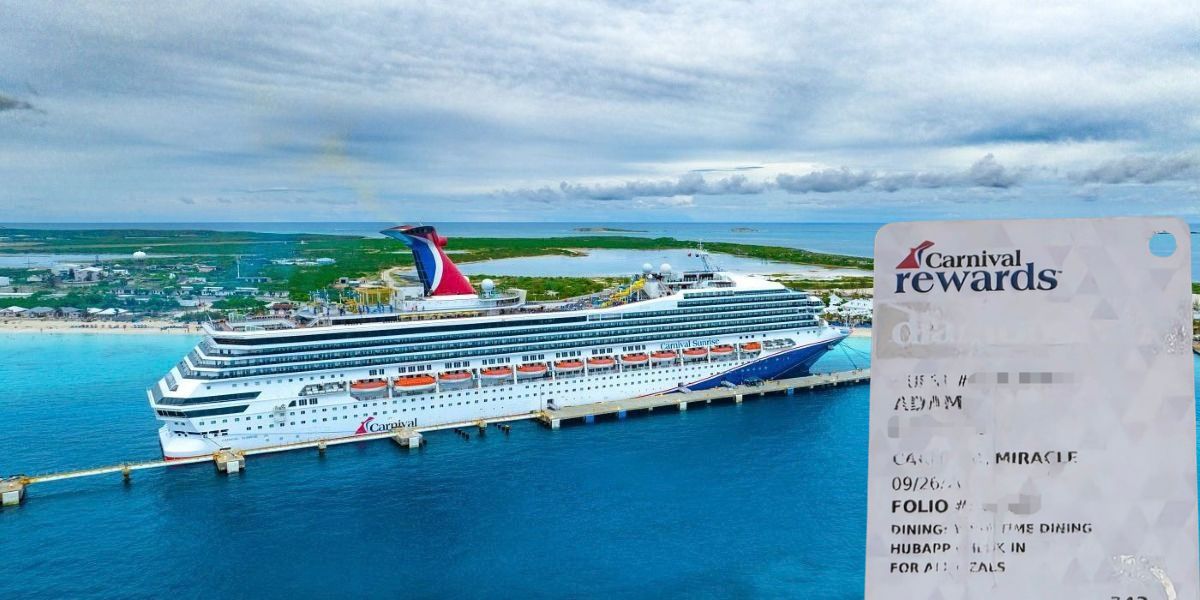
A cruise passenger is facing serious felony charges after authorities discovered more than 500 prescription pills and nearly $27,000 in cash during a routine screening at Port Tampa Bay following a Western Caribbean sailing.
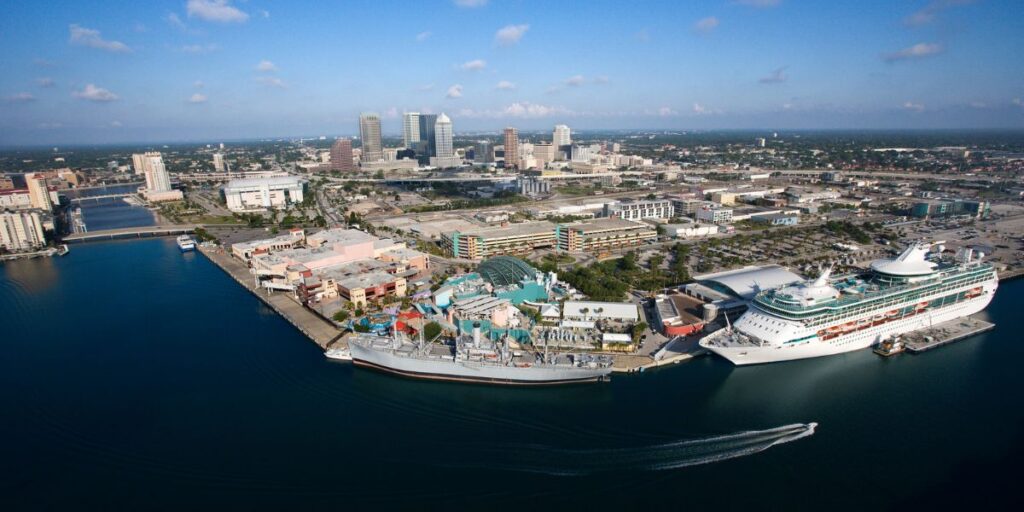
The arrest, which occurred in October 2026, followed a months-long investigation that began when crew members flagged the heavily intoxicated traveller for medical attention as he disembarked from his cruise.
Investigation Begins With Medical Emergency At Tampa Cruise Terminal
Brandan James Swan, a 50-year-old cruise passenger, first drew attention when crew members aboard his Western Caribbean cruise noticed his severely intoxicated state as the ship prepared to dock at Port Tampa Bay.
The crew deemed his condition serious enough to require immediate medical intervention, prompting them to alert authorities before disembarkation.
After medical personnel on site assessed Swan’s condition, officers with U.S. Customs and Border Protection initiated a standard interview with the passenger.
During this process, Swan voluntarily submitted a customs declaration form that revealed he was carrying $26,981 in U.S. currency and 545 unidentified pills in his possession.
Self-Declaration Provides Partial Protection Under Federal Law
Swan’s decision to declare both the large sum of cash and the pills on his customs form represented a critical legal distinction in his case.
Under federal regulations, travellers entering the United States must declare any currency or monetary instruments exceeding $10,000, as well as any medications obtained internationally.
Failure to report such items carries immediate civil penalties, substantial fines, and additional criminal charges that would have compounded Swan’s legal troubles.
Whilst the self-declaration did not shield him from drug trafficking charges once the pills were identified as controlled substances, it prevented the addition of federal offences related to smuggling and customs violations.
The Hillsborough County Sheriff’s Office noted that Swan’s compliance with declaration requirements, however, could not mitigate the severity of the drug-related charges once laboratory analysis revealed the nature of the seized pills.
Customs Officers Seize Evidence For Laboratory Analysis
During the interview at Port Tampa Bay, Swan admitted to officers that he had swallowed pills during the cruise.
A subsequent search of his belongings confirmed the presence of the declared cash alongside the 545 unmarked prescription pills, which bore no pharmacy labels or identifying information.
Because port authorities lacked the specialised equipment necessary to identify the pills on site, U.S. Customs and Border Protection officers seized the evidence for future laboratory testing.
Swan was released from the terminal pending the outcome of the formal investigation, a standard procedure when immediate testing cannot confirm the nature of suspected substances.
Homeland Security Investigations assumed custody of the seized pills in April 2026 and forwarded them to an accredited crime laboratory for comprehensive analysis.
The months-long testing process would ultimately determine the specific controlled substances present in Swan’s possession.
Laboratory Results Confirm Presence Of Dangerous Opioids
The crime laboratory results returned in August 2026, approximately four months after the initial seizure.
The analysis revealed that the pills tested positive for multiple controlled substances, including high quantities of Oxycodone weighing between 100 grammes and 30 kilogrammes.
Additionally, the laboratory identified Schedule IV controlled substances within the seized pills, including Alprazolam, commonly marketed under the brand name Xanax.
Investigators confirmed that Swan possessed no valid prescription for any of the medications found in his luggage, a critical factor in elevating the charges from simple possession to trafficking and intent to distribute.
The presence of Oxycodone in such quantities triggered Florida’s mandatory minimum sentencing guidelines for drug trafficking, which impose severe penalties based on the weight of the controlled substance regardless of intent.
Arrest Warrant Executed In Orange County Following Lab Confirmation
Following the laboratory confirmation of controlled substances, the Hillsborough County Sheriff’s Office Opioid Overdose Investigations Section collaborated with Homeland Security Investigations’ Maritime Task Force to secure an official arrest warrant.
The warrant was issued on 8th October 2026, nearly six months after the initial seizure at Port Tampa Bay.
Swan was taken into custody two days later, on 10th October 2026, in Orange County, Florida, where he was presumably residing following his release from the cruise terminal.
Authorities then extradited him to Hillsborough County, where he was formally booked into the local jail to face charges.
The Hillsborough County Sheriff’s Office confirmed that Swan is currently facing two major felony counts: Trafficking in Oxycodone (100 Grammes to 30 Kilogrammes) and Possession of a Controlled Substance with Intent to Sell or Deliver (Schedule IV).
Sheriff Emphasises Zero Tolerance For Port Drug Trafficking
Hillsborough County Sheriff Chad Chronister issued a stern statement following Swan’s arrest, emphasising the collaborative law enforcement approach to combating drug trafficking through Florida’s cruise ports.
“We will not allow drug traffickers to use our ports or our community as a gateway to distribute dangerous controlled substances,” Sheriff Chronister declared.
The sheriff continued, “Our partnership with HSI sends a clear message: Hillsborough County is not a place to conduct illegal drug activity without consequences.”
The statement reflects a broader trend amongst Florida port authorities to intensify screening and enforcement measures at major cruise terminals.
Port Tampa Bay, whilst smaller than Florida’s mega-ports in Miami and Fort Everglades, handles hundreds of thousands of cruise passengers annually and has become an increasingly important focus for federal drug enforcement agencies monitoring maritime smuggling routes from the Caribbean and Mexico.
Florida Ports Intensify Drug Enforcement Across Cruise Terminals
The arrest at Port Tampa Bay represents the latest in a series of high-profile drug seizures at Florida cruise terminals, suggesting a coordinated escalation in enforcement efforts across the state’s maritime gateways.
Just weeks before Swan’s arrest, three cruise passengers were apprehended at PortMiami following a drug sweep that employed K-9 units to detect would-be cruisers carrying LSD and THC gummies at the terminal.
PortMiami, which bills itself as the “Cruise Capital of the World,” and Port Canaveral, home to the world’s largest cruise ships, have both implemented enhanced screening protocols that combine traditional customs inspections with specialised drug detection teams.
These measures reflect growing concern amongst federal authorities about cruise ports serving as conduits for drug trafficking from Caribbean and Latin American sources.
The intensified enforcement also responds to the opioid crisis that has devastated communities across the United States, with law enforcement agencies particularly focused on intercepting large quantities of prescription painkillers like Oxycodone before they reach distribution networks.
Legal Confusion Surrounds State Versus Federal Drug Laws
Many cruise passengers remain unaware that substances legal in their home states may be strictly prohibited aboard cruise ships and at international ports of call.
This legal complexity has led to numerous arrests and confiscations at cruise terminals, particularly involving cannabis products that have gained legal status in many U.S. states but remain federally controlled substances.
Cruise lines maintain strict prohibited items lists that typically ban all controlled substances, including marijuana and CBD products, regardless of state legalisation.
These policies reflect the international nature of cruise itineraries, which visit countries with varying drug laws, and the ships’ registration under foreign flags that may impose different legal standards.
Federal law governs all U.S. ports, meaning that even passengers embarking in states with liberal drug policies face prosecution under federal statutes if caught with controlled substances.
The addition of international travel further complicates matters, as passengers like Swan who return from foreign ports face customs inspections that apply federal import regulations.
Consequences Extend Beyond Criminal Charges For Arrested Passengers
The penalties Swan faces extend far beyond the immediate criminal charges and potential prison time.
A conviction for trafficking in Oxycodone carries mandatory minimum sentences in Florida, with the 100-gramme to 30-kilogramme range triggering some of the harshest penalties in state law.
Beyond incarceration, Swan faces substantial legal fees, permanent felony convictions that will impact employment prospects, and potential civil asset forfeiture of the seized cash.
The nearly $27,000 in currency may be subject to confiscation proceedings if authorities establish it was connected to drug trafficking activities.
Additionally, Swan will likely face lifetime bans from cruise lines and may encounter significant difficulties obtaining passports or travelling internationally in the future.
The arrest demonstrates how a single incident can permanently alter a passenger’s life, transforming what may have begun as a Caribbean cruise into a cautionary tale about the serious consequences of drug trafficking through cruise ports.
For cruise passengers planning future sailings, Swan’s arrest serves as a stark reminder to thoroughly review cruise line prohibited items lists, understand that state drug legalisation does not extend to cruise ships or international travel, and recognise that port authorities are actively screening passengers with increasingly sophisticated detection methods.
What happens at the port definitely does not stay at the port when federal law enforcement agencies are involved.
TODAY’S BEST CRUISE DEALS!
Don’t miss these offers…