
This is a sponsored post for Fred. Olsen
When you’re choosing a cruise, where do you look first?
If you’re anything like me, it’s probably the list of ports. You scan down the itinerary, spot a couple of places you like the sound of, check how many sea days there are and start comparing prices.
But that little list can hide the most interesting part of the whole cruise.
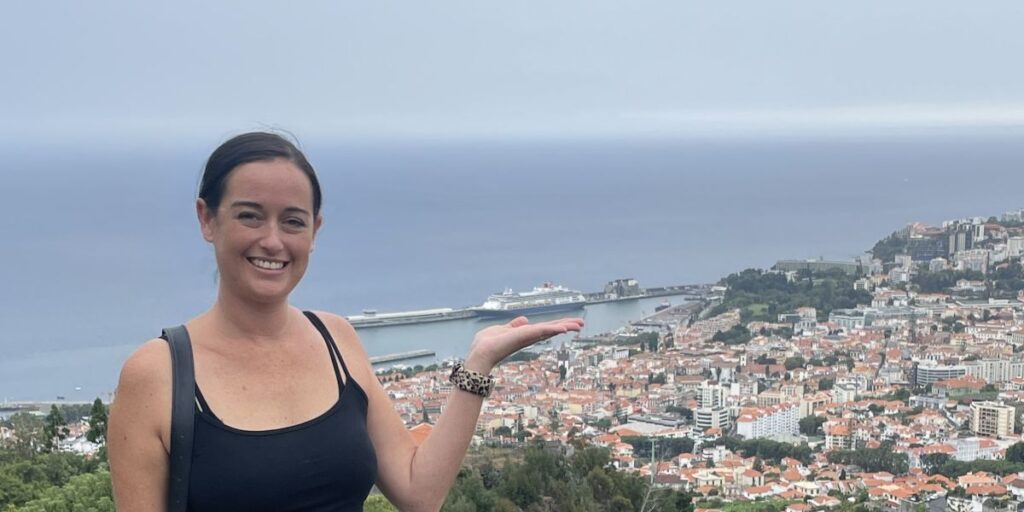
Because two itineraries can visit almost exactly the same places and give you very different holidays.
The Ports Only Tell You Half The Story
There are certain cruise routes that crop up again and again.
Head to the Norwegian fjords and you’ll see plenty of cruises featuring Bergen, Olden, Flåm or Ålesund. Sail the Western Mediterranean and Barcelona, Marseille, Civitavecchia and the Italian coast regularly appear. In the Caribbean, the same familiar islands are visited by ship after ship throughout the season.
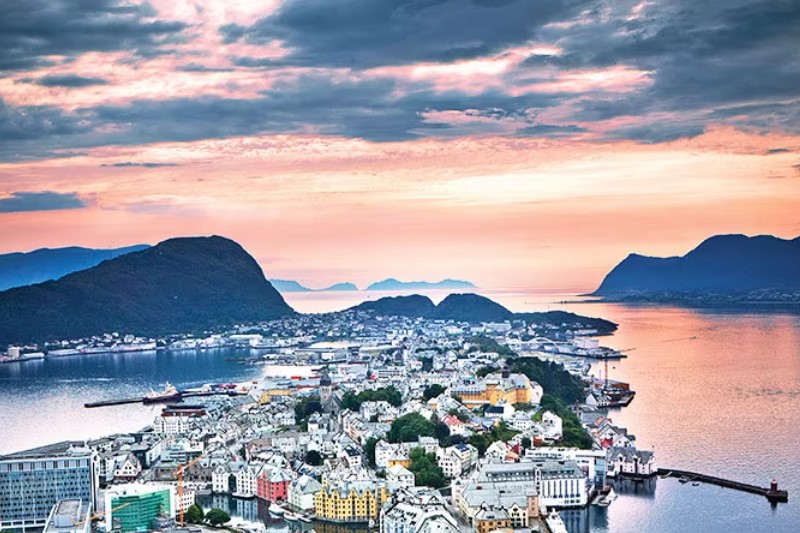
There’s nothing wrong with that. These places are popular for a reason, and I’d happily go back to many of them.
But once you’ve been cruising for a while, I think it becomes worth paying much more attention to what happens around those ports.
Where does the ship actually sail? How long do you get ashore? Is it arriving at the most convenient port or somewhere an hour away by coach? Has the cruise been deliberately timed for something happening in the destination? And are there parts of the journey that you’re going to want to be out on deck for rather than treating them as another sea day?
Those details can turn what looks like a fairly familiar itinerary into something completely different.
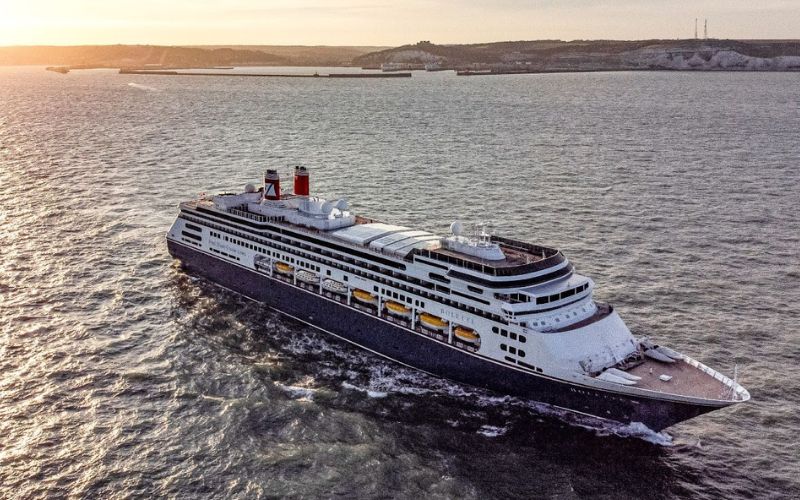
I’ve been thinking about this while looking through Fred. Olsen’s new 2028 cruises. There are 39 new sailings between January and July, but rather than simply grouping everything by country or destination, Fred. Olsen has also divided them into themes such as scenic cruising, wildlife and nature, rare skies, distinctive cultures and small-ship adventures.
And I think that makes a lot of sense once you start to delve a little deeper into what these cruises offer.
NEW DEALS JUST RELEASED!
Don’t miss the latest Fred. Olsen offers…
Pay Attention To What Happens Between The Ports
I think Norway’s probably the easiest place to demonstrate this.
If I were comparing Norwegian fjords cruises, I could easily put two itineraries side by side, see several similar ports and assume there wasn’t much between them.
But then I’d start looking at the scenic cruising.
One of Fred. Olsen’s new 2028 sailings, for example, is an eight-night cruise from Newcastle which visits eight different fjords in eight nights. It includes famous names such as Sognefjord and Hardangerfjord, but Bolette can also make scenic diversions into smaller waterways including Lysefjord and Fjærlandsfjord. Another part of the route takes the ship into Maurangerfjord for views of Fureberg Waterfall.
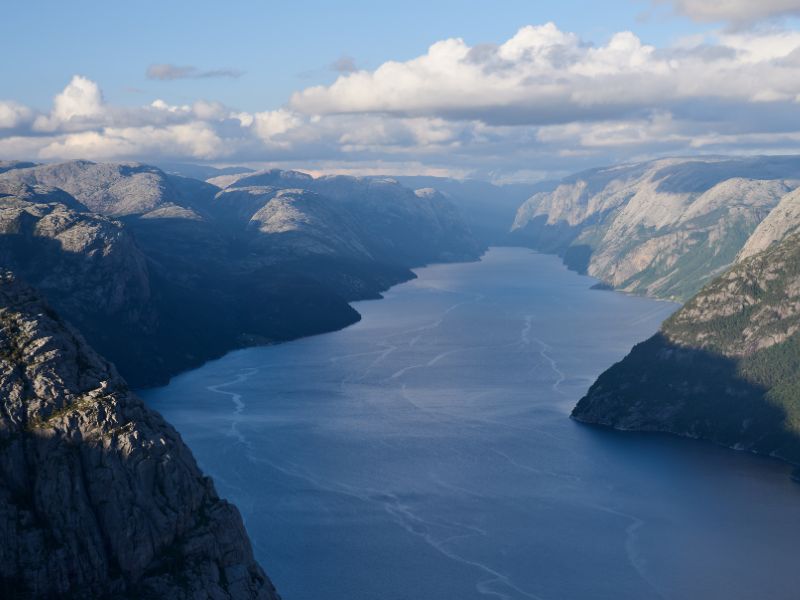
Suddenly, the list of ports is only telling you a small part of what you’ve booked.
There are several more Norwegian itineraries in the new programme built on the same idea. Balmoral has a nine-night cruise featuring six fjords, including Lustrafjord on the way to Skjolden, while another sailing includes eight different fjords plus views of Hornelen, Europe’s highest sea cliff, and a diversion towards Langfoss waterfall.
This is the sort of thing I’d now look for when comparing fjord cruises.

You could have a fantastic time visiting exactly the same Norwegian ports on a much bigger ship, but if one itinerary gives you considerably more scenic cruising, that’s worth knowing before you book. After all, you’ve travelled to Norway to see the fjords. It would be a shame to judge the cruise purely by what happens after the gangway goes down.
A Sea Day Doesn’t Always Mean Staring At The Sea
I think we’ve become conditioned to split cruise itineraries into two things: port days and sea days.
Port day means sightseeing. Sea day means ship… but that doesn’t always work. On the right itinerary, some of the best sightseeing can happen without stepping off the ship at all.
Fred. Olsen has several 2028 cruises where the sailing itself is a big part of the attraction. One five-night cruise around Scotland, for example, sails past Duart Castle, through the Sound of Mull and into Loch Hourn, as well as passing the Small Isles and Fingal’s Cave. It’s also timed for a period when there are opportunities to spot puffins, gannets, migrating orca and minke whales.
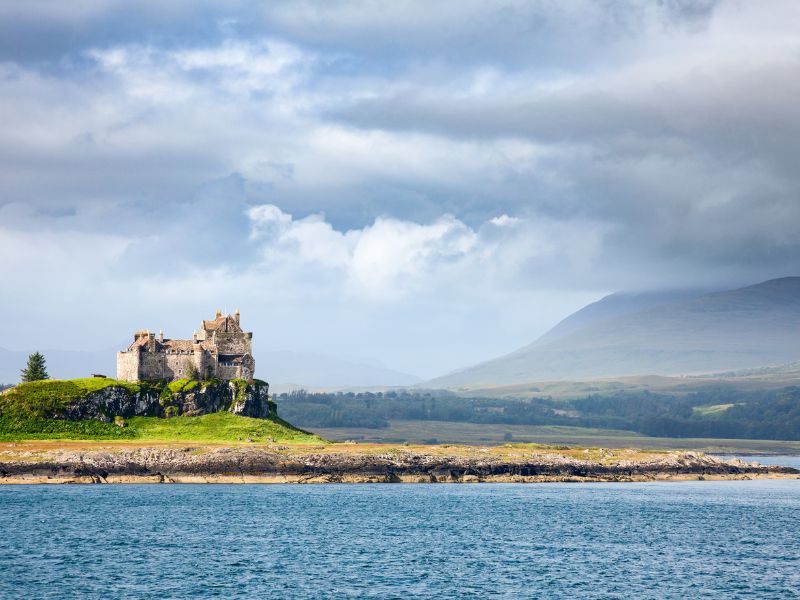
Another itinerary around Scotland and Ireland includes scenic sailing past Fingal’s Cave, Lunga and Kilt Rock, into Loch Torridon and along stretches of Ireland’s Wild Atlantic Way.
You could look at either of those and count the ports. But you’d be missing quite a lot of the holiday.
One thing I liked when I sailed with Fred. Olsen was that scenic cruising seemed to be treated as something worth stopping for. On some cruises, I’ve found myself looking out of the window, realising we’re passing somewhere beautiful and wondering why there isn’t more being made of it.
Fred. Olsen’s approach is much more about the journey being part of the destination, and that’s where the ships themselves start to matter too.
Bigger Isn’t Always Better For An Itinerary
I’m a big fan of big cruise ships.
I’ve cruised with my family on some of the largest ships in the world, and if you want waterslides, huge shows, endless restaurants and enough activities to fill every waking hour, they’re brilliant.
But ship size involves compromises. A cruise ship carrying several thousand passengers simply can’t go everywhere that a smaller ship can. Some waterways are too restricted, some ports are too small and others don’t have the infrastructure to cope with that number of people arriving at once.
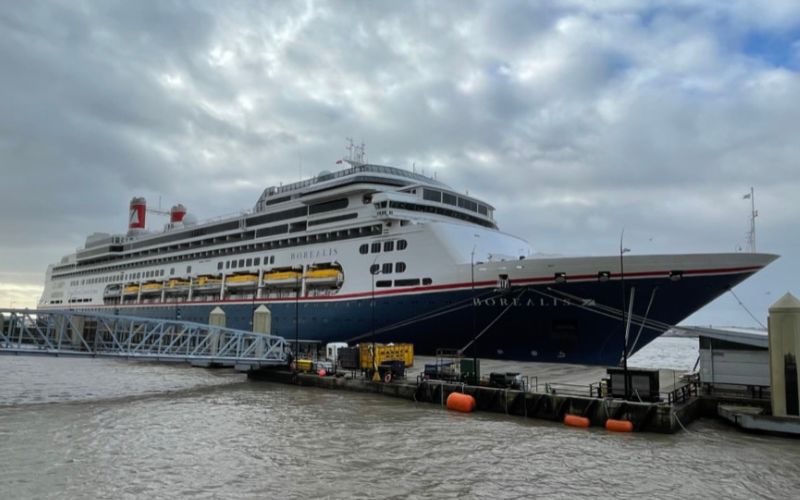
Fred. Olsen’s ships are relatively small, and the cruise line uses that when designing its routes.
Some of the examples in the new 2028 programme go well beyond the Norwegian fjords. Balmoral can sail along the River Seine to Rouen, while another itinerary allows her to follow the Gironde and Garonne into Bordeaux rather than docking some distance away and sending everyone in by coach. Other new sailings include smaller ports such as Horta in the Azores, Šibenik in Croatia and Mahon in Menorca.
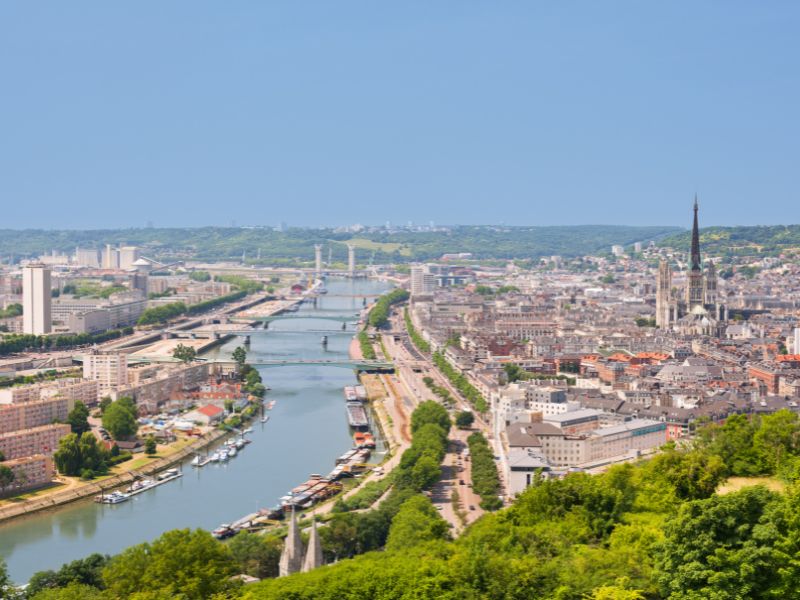
That’s a practical benefit rather than simply a preference for small ships. Being able to dock closer to the place you’ve come to see can mean less time sitting on a coach and more time actually exploring. Sailing down a river towards a city is also a very different arrival from pulling into a large industrial cruise terminal.
It’s the kind of detail I would never have paid much attention to when I first started cruising, but now I absolutely would.
Look At When You’re Going Too
The date on an itinerary tends to be another thing we choose for practical reasons.
When can I get time off work? When are the kids off school? Which week has the best price?

Those are still going to dictate most people’s holidays, but the timing of a cruise can sometimes be much more deliberate than it appears.
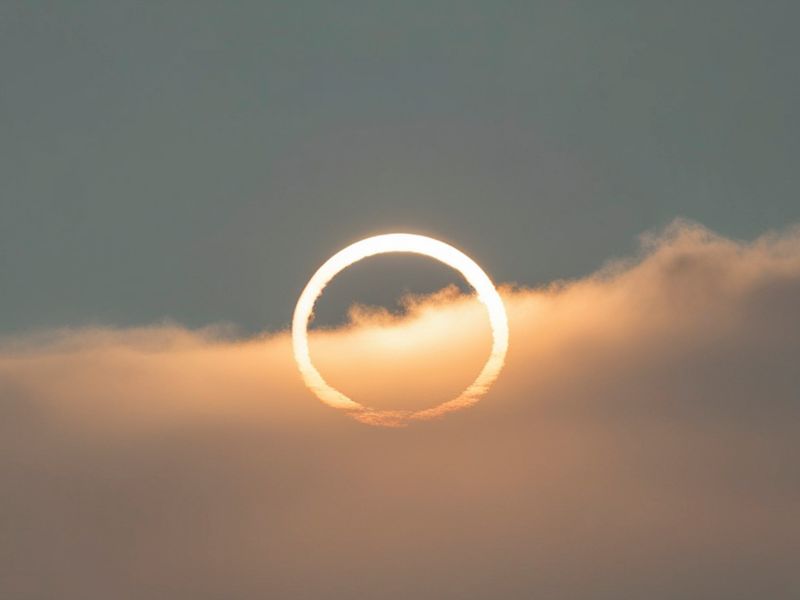
One of the most unusual examples from Fred. Olsen’s 2028 programme is Balmoral’s January cruise around the Canary Islands and Madeira, which has been planned around a solar eclipse. The ship is due to position at sea to give guests the opportunity to experience the event away from land.
Other cruises are timed around wildlife or natural conditions.
The new Iceland programme includes opportunities to see puffins and whales during the long summer days, while some of the Scottish cruises are scheduled for times when birdlife and marine wildlife are particularly active. Fred. Olsen has even separated out a whole collection of 2028 sailings around wildlife and nature rather than expecting people to discover these details by reading every itinerary individually.
Again, the ports don’t necessarily tell you any of that.
The same destination in February, May and August can feel like three very different places.
Don’t Just Count Countries Either
There is another way I think we sometimes get sucked into judging an itinerary: quantity.
Seven ports sounds better than five. Eight countries sounds better than four. No sea days must mean we’re getting better value because we’re visiting somewhere every day.

I’m not convinced that’s always true.
A port where you’ve got eight or ten hours to wander around at your own pace can be far more enjoyable than racing back to a ship after four hours. And I’d often prefer one genuinely interesting smaller destination to another call at a city I’ve already visited several times.
There’s a 24-night Fred. Olsen cruise in 2028 which visits ten countries through the Mediterranean and Adriatic, so there’s certainly no shortage of places on the itinerary. What makes it more interesting to me, though, are the less obvious details: a maiden call to Igoumenitsa in Greece, scenic cruising in the Bay of Kotor and past Vulcano Island, and the ability for Balmoral to dock alongside in places including Kotor, Trapani and Mahon.

It’s still a big country-collecting cruise if that’s what appeals to you, but there’s more thought behind it than simply trying to cram as many flags as possible onto a map.
Sometimes An Itinerary Sells Itself
Fred. Olsen also announced a return to Canada for 2028, with a 19-night cruise on Borealis from Liverpool taking in Newfoundland and Québec.
It included scenic cruising around Humber Arm and the Bay of Islands, opportunities to look for whales and icebergs and a call at L’Anse aux Meadows, the UNESCO-listed Norse archaeological site.
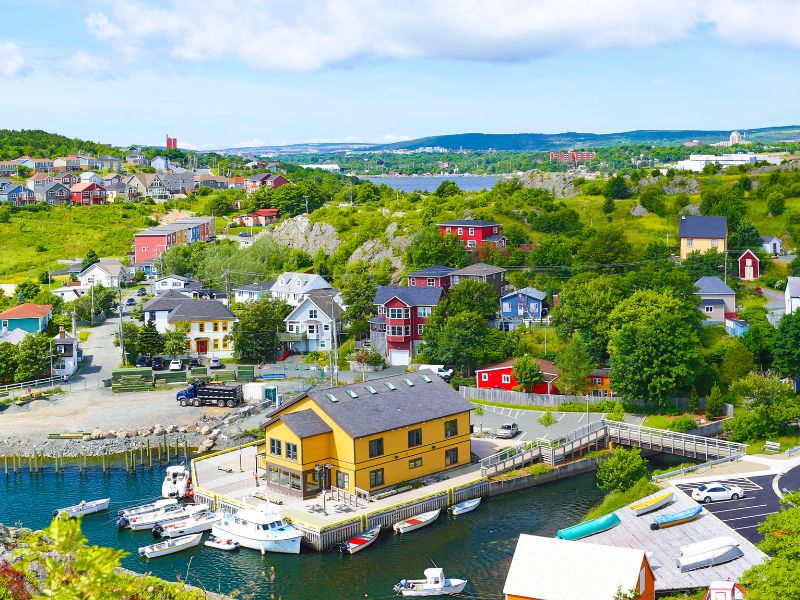
That sailing has already sold out…
I’m not going to spend too much time telling you how good a cruise you can no longer book sounds, but I think the response to it proves the point quite nicely. People clearly aren’t only looking for the same handful of major cruise ports packaged in slightly different orders.
There’s an appetite for itineraries that feel as though someone has actually thought about the experience rather than just drawing a line between available berths.
I’m Starting To Look At Cruises Differently
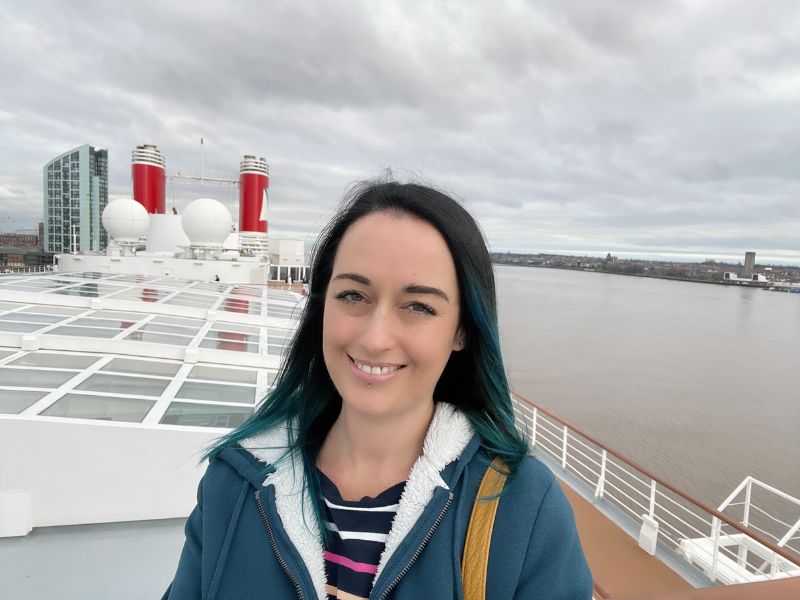
My first Fred. Olsen cruise was on Borealis, when I joined the ship in Liverpool for the opening part of an 80-night world cruise.
It was very different from a lot of the cruises I normally take.
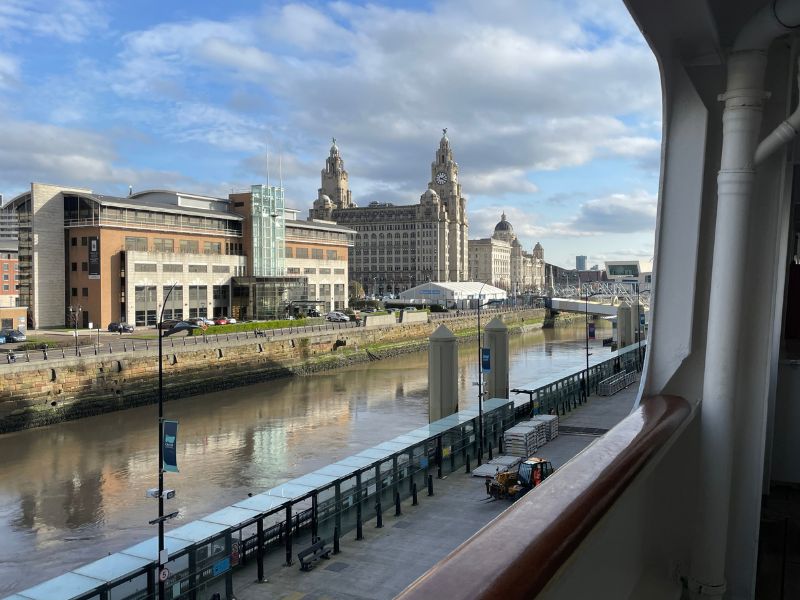
There were no giant waterslides and nobody seemed to be rushing around trying to fit twelve activities into a sea day. What struck me instead was how relaxed everything felt, and how interested the guests were in the places they were going.
I barely used my phone for the whole cruise, which is incredibly unusual for me.
Since then, I’ve become much more conscious of what smaller ships can offer when the itinerary is designed around them, rather than seeing size purely as a measure of how much there is to do onboard.
I’m actually due to sail on Borealis again next spring, so I’m interested to see how the experience has changed too.
There have been several updates since I last sailed, including selected drinks with lunch and dinner and gratuities now being included with Freedom Fares. There are new speciality dining menus, new daytime and evening entertainment across the fleet and Borealis has a new outdoor dining experience called Fresco.

Those things matter, because you still need to enjoy the ship you’re travelling on.
But I’m increasingly convinced that when choosing a cruise, the ship and the ports are only the start of the decision.
How I’d Compare Two Similar Cruise Itineraries
If I were choosing between two cruises visiting broadly the same part of the world, I wouldn’t just count the ports anymore.
I’d look at the actual route the ship takes. I’d check whether there’s any scenic cruising and whether the ship is able to make diversions into smaller waterways. I’d look at arrival and departure times, and whether an overnight stay gives me more freedom ashore.
I’d also check exactly where the ship docks. “Bordeaux” sounds the same on two itineraries until you discover that one ship can sail into the city while another needs to use a port further away.
Then I’d look at the time of year and ask whether there’s a reason that particular cruise has been scheduled when it has. Maybe it’s peak waterfall season in Norway, a good time for spotting puffins in Scotland or a chance to see something in the night sky that doesn’t happen very often.
None of those things looks particularly exciting in the little grid of ports and dates you see when searching for a cruise online.
But they can make a much bigger difference to the holiday than adding one more familiar port to the list.
Final Thoughts
It’s very easy to choose a cruise by looking at the headline destinations.
I’ve done it plenty of times myself.
But the more cruises I take, the more I think the best itineraries are often the ones where someone has thought about everything around those destinations too: how you arrive, what you pass along the way, what you can see from the ship and whether you’ve turned up at the right time to experience the place at its best.
That’s what I like about the thinking behind a lot of Fred. Olsen’s new 2028 cruises.
Some visit places you’ve probably already seen on dozens of cruise itineraries. Others go somewhere much less familiar. But the interesting bit isn’t necessarily the list of ports.
Sometimes, it’s everything between them.
NEW DEALS JUST RELEASED!
Don’t miss the latest Fred. Olsen offers…
